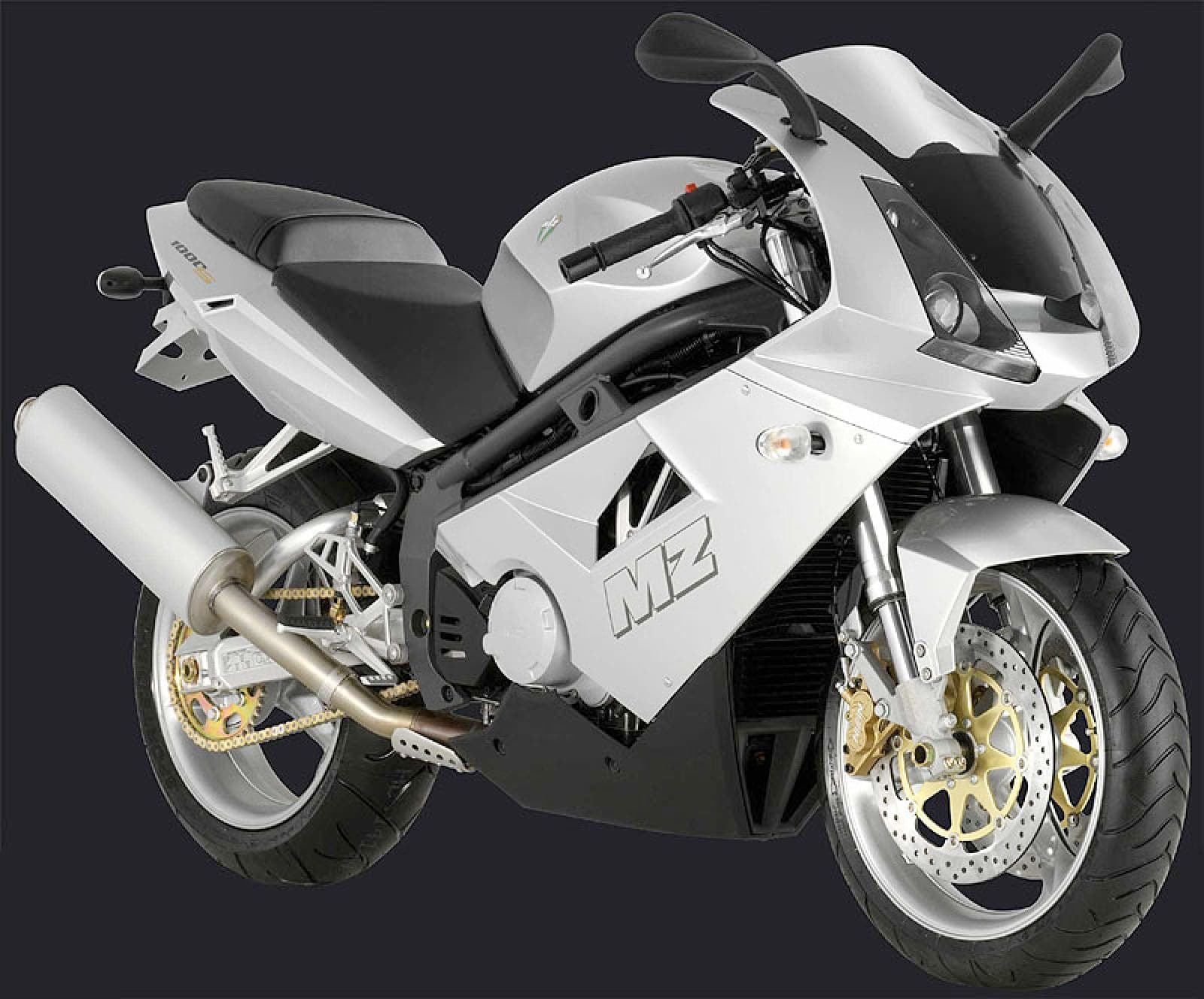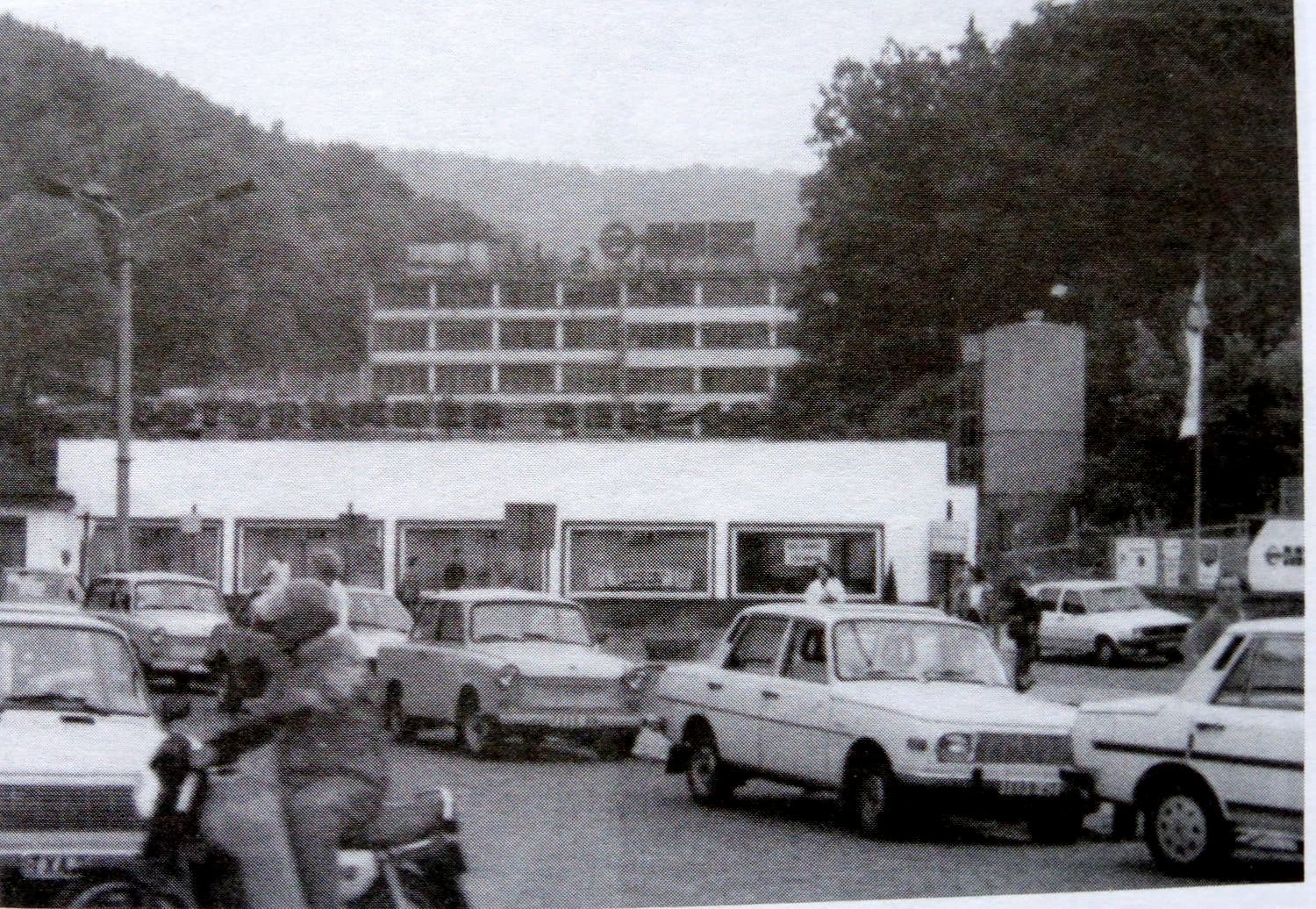
MZ factory in Zschopau closed in 2008, halting motorcycle production after 88 years.
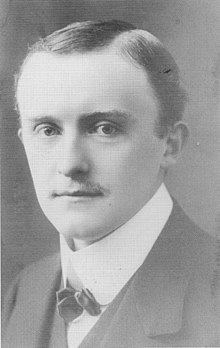
In 1920, Danish entrepreneur Jorgen Skafte Rasmussen started producing motor-assisted bicycles and by 1929 they were producing 60,000 motorcycles a year under the name DKW, making them the world’s largest motorcycle producer.
Production continued until 1932 when the four factories of Audi, DKW, Horsch and Wanderer merge during the great depression to form the Auto Union. The interlocking badge remains in use today on Audi cars. Each ring representing one of the four firms of the union.
After the end of WWII hostilities in 1945, the occupying Soviet forces nationalised the Zschopau factory, erasing the DKW name.
The Zschopau factory resumed production under the new name of IFA (Industrieverwaltung Fahrzeugbau) and in 1956 the company was renamed to Motorradwerk Zschopau, or MZ for short.
During the 1960s the MZ factory constantly developed their ES range of lightweight machines and MZ motorcycles began making inroads into the British market.
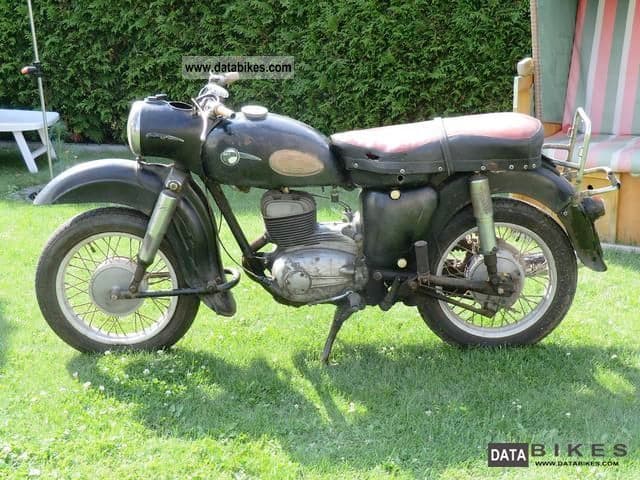
In 1970 the one millionth motorcycle rode off the production line in the form of an ETS250 Trophy Sport.
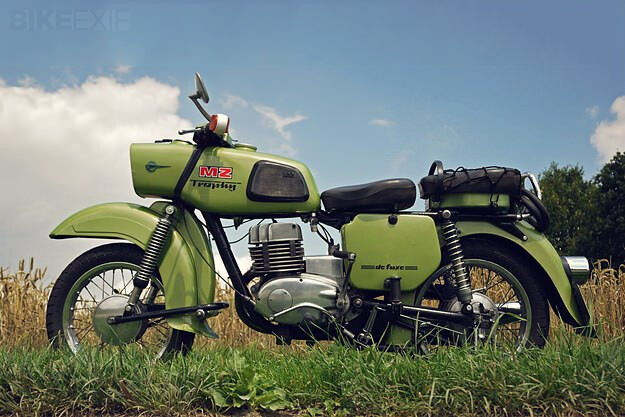
In the early 1970s the ES and ETS models were replaced by the TS range and thanks to a multitude of complimentary motorcycle press reviews, an expanding dealer network and a competitive price, sales started to take off.
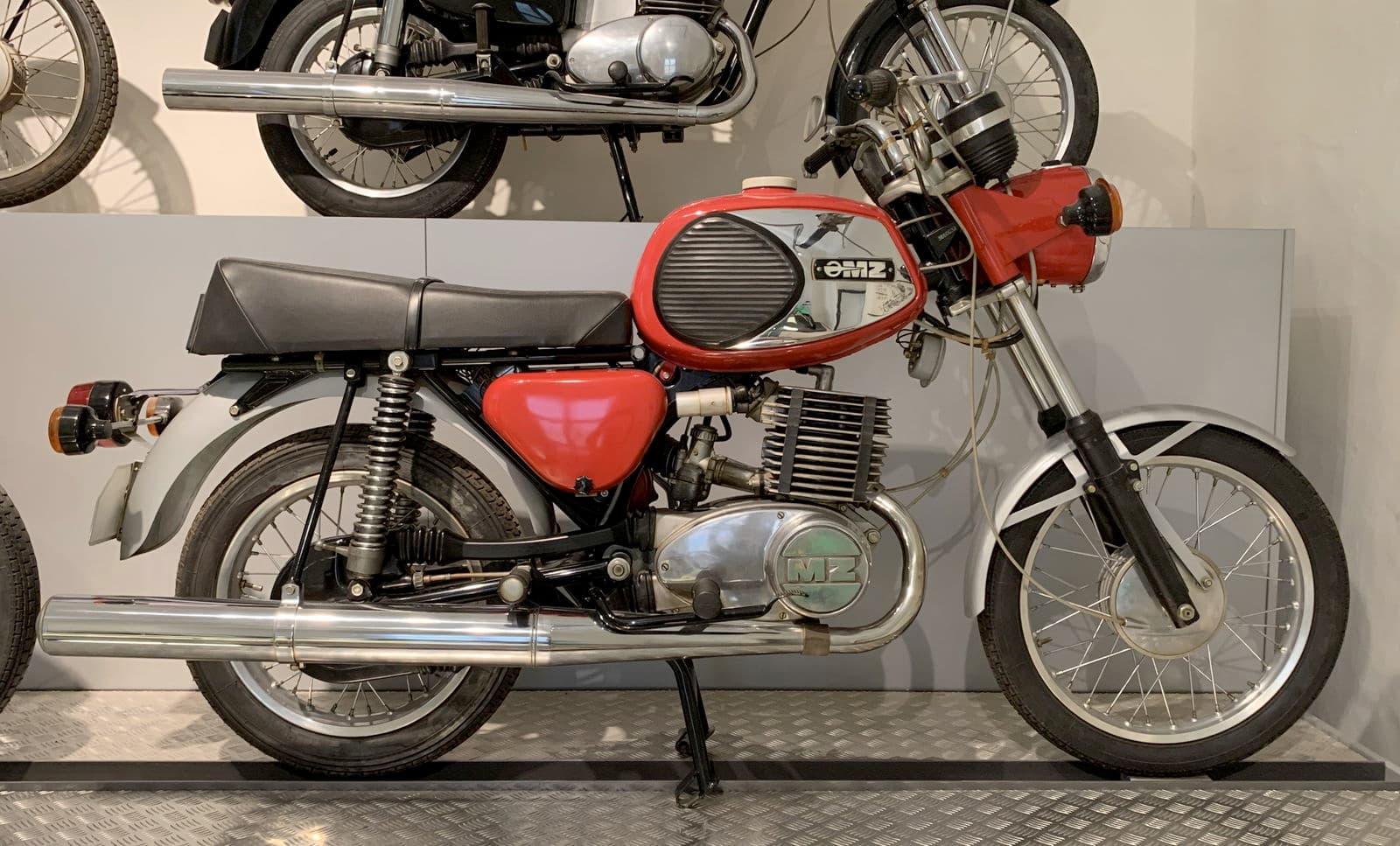
Following the fall of the Berlin wall, the factory was privatised in 1990 and went into receivership in 1993. The two-stroke designs and manufacturing technology were eventually sold off to the Turkish Kanuni factory, bringing an end to the “zweitakt” era at Zschopau.
After a buyout, MZ started production of their first four-stroke machines utilising the 500cc Rotax motor. This same motor was used in the Seymour-Powell designed award-winning Skorpion, although it was replaced by the watercooled Yamaha 660cc motor for the production machines.
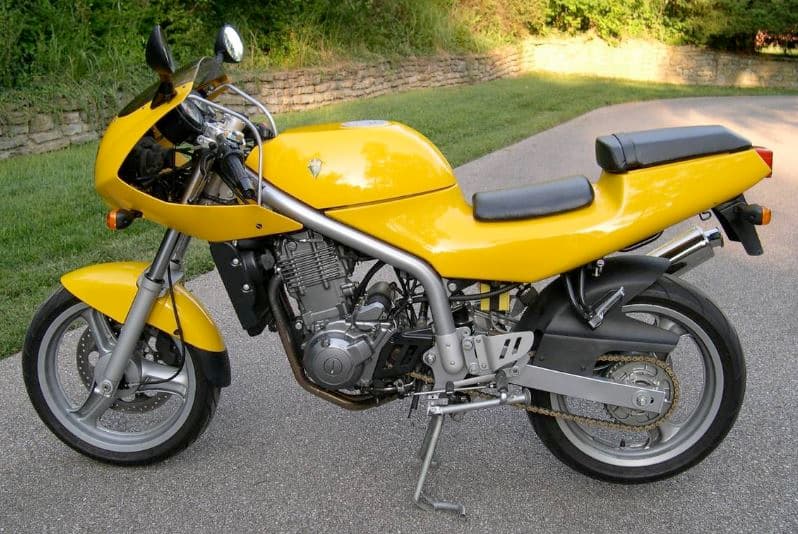
The 1000S, SF (Street Fighter) and ST (Sports Tourer) models struggled to compete with the large Japanese manufacturers and their well-established dealer network. The new MZ factory at Hohndorf closed its factory gates and production of motorcycles in Saxony came to an end..