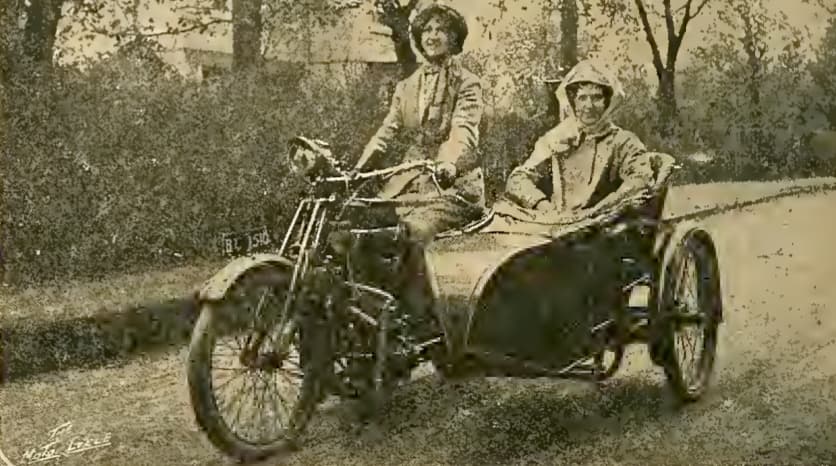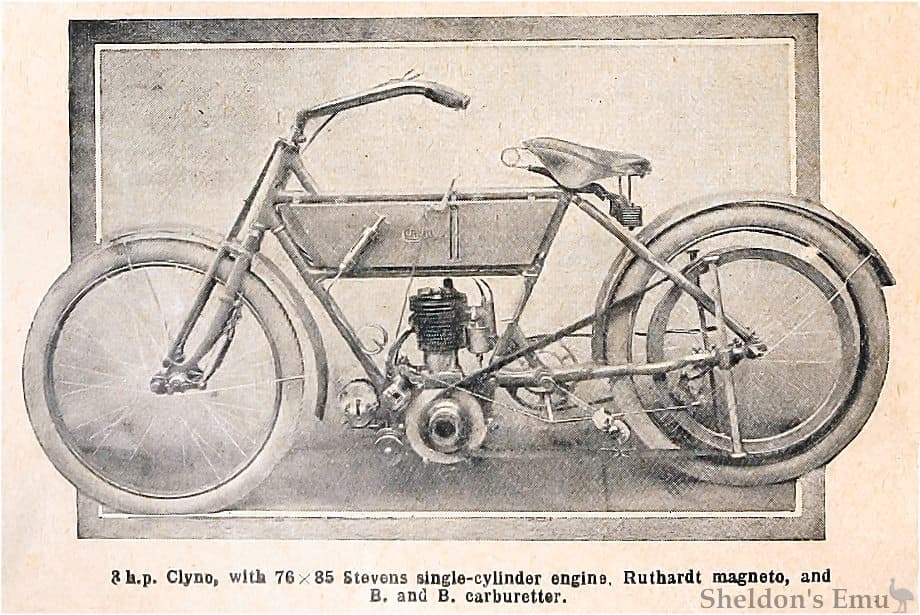
Clyno was founded in 1909 by the cousins Frank and Ailwyn Smith. The original workshop was in Thrapston, England. An opportunity arose for Clyno to purchase a factory in Wolverhampton and they completed the purchase on this day in 1910, transferring from Thrapston.
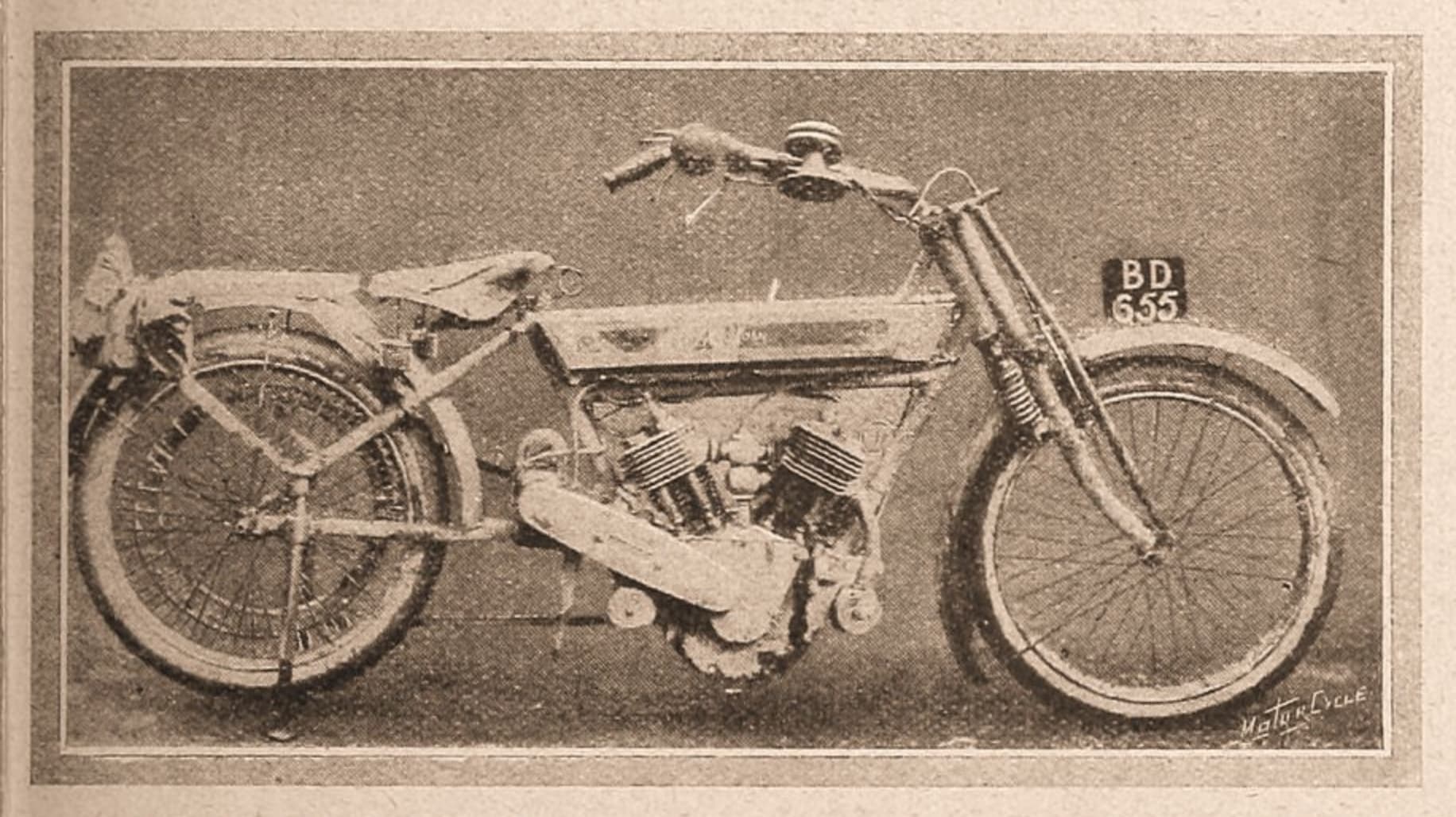
The company exhibited for the first time at the 1910 motorcycle show at Olympia and continued to exhibit at every possible trials event, attracting attention by taking on hills previously thought unclimbable. This attention brought business to the company with orders in excess of manufacturing capacity by 1912.
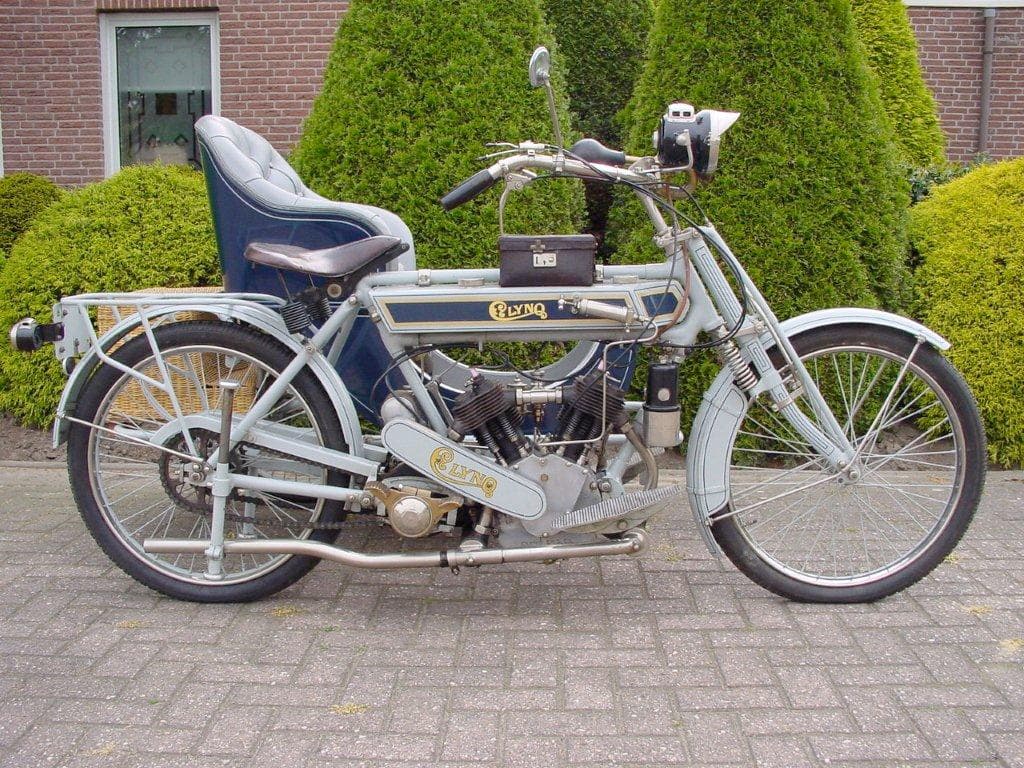
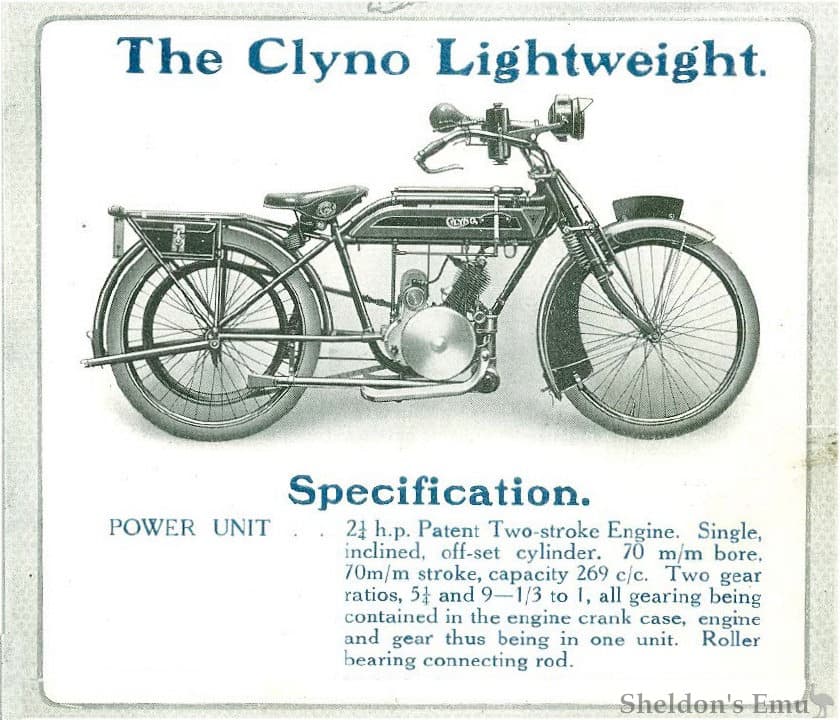
The company’s sporting success created continual pressure to perform at trials, requiring constant development, andpushing the company beyond its financial means. It was decided that they needed to produce an affordable motorcycle, which they did in 1913, releasing a 250cc machine, one of the first to be sold fully ready for the road. Exhibited at the 1913 motor cycle show the model was a major success.
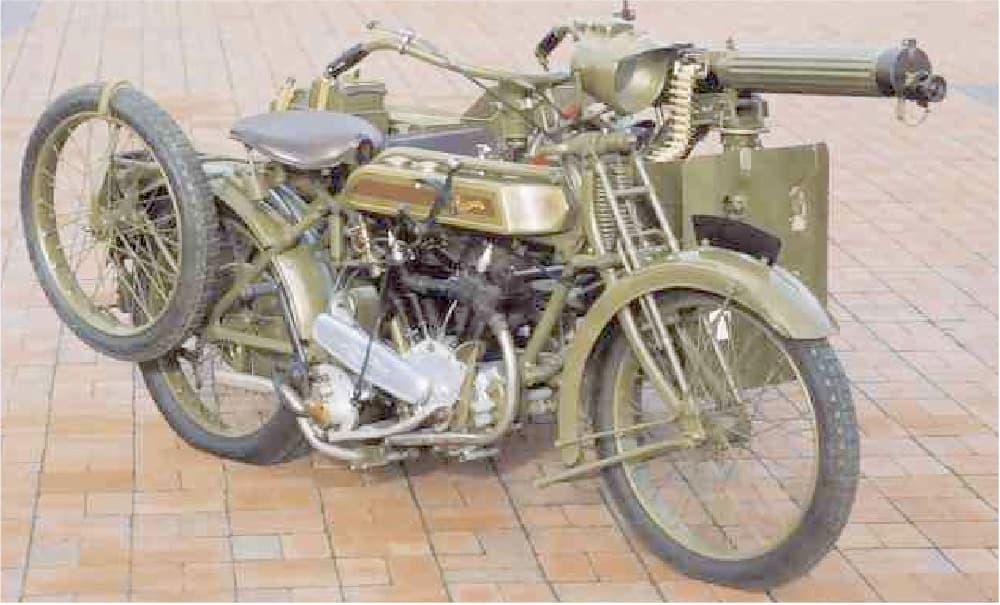
Clyno, together with Vickers produced a motorcycle with machine gun attachment in large numbers during the First World War. At the Armistice in 1918, the British armed forces had 1,792 Clyno motorcycles. Clyno also signed an agreement with the Russian war commission to supply their army on top of their business with the British forces.
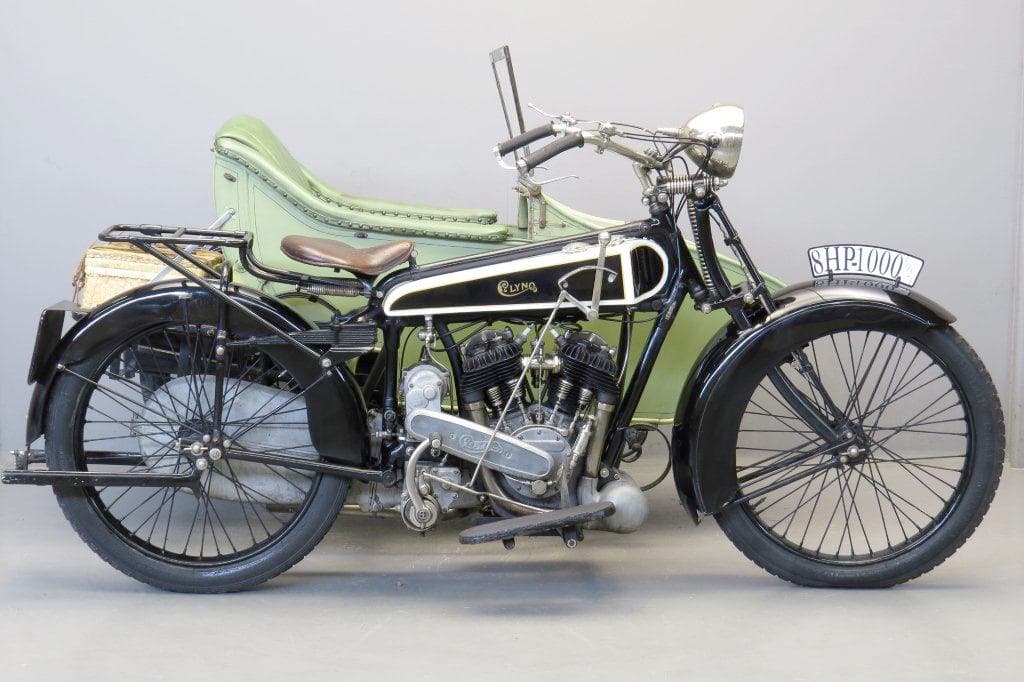
Ailwyn departed the company in 1916 but Clyno continued to supply the war effort .They also designed a new motorcycle, the “Sprung Eight”, which had a top speed of 50 mph, although it was two years before it went into production.
After the war, the motorcycle industry collapsed. A large number of cheap motorcycles no longer needed by the army were sold, undercutting the prices of Clyno’s machines. There was also a shortage of materials with which to produce new models. To compound Clyno’s problems, the Russians failed to pay for the motorcycles they received during the war. In 1920 the Clyno Engineering Company went into liquidation.
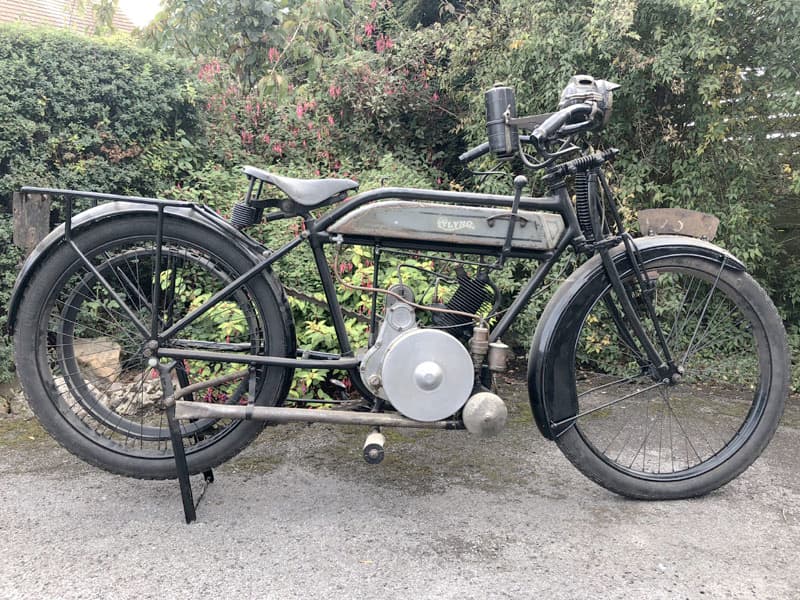
Overall they produced over 15,000 motorcycles.