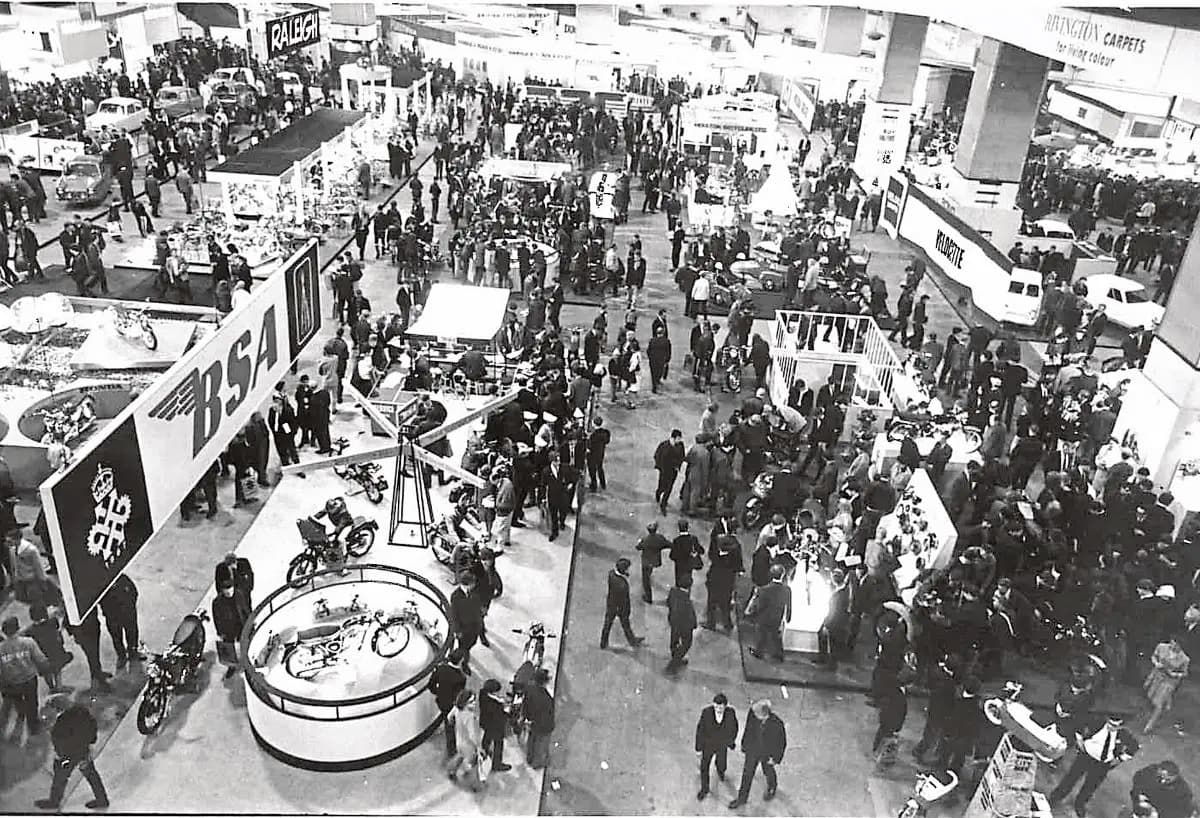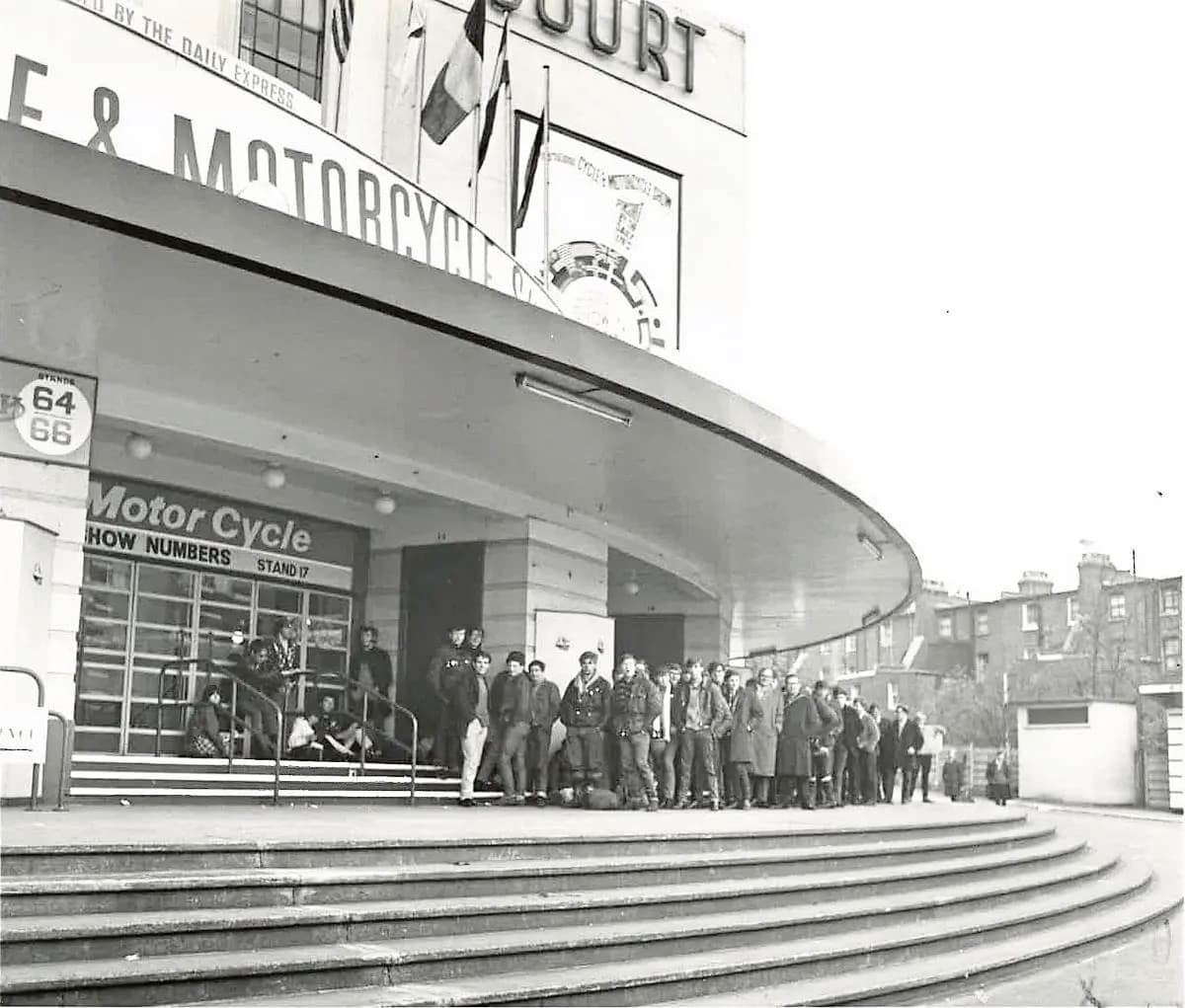
As it was then, so it is now - after a summer filled with stories of derring-do at the TT, autumn becomes the season of the bike show
Earls Court threw open their doors for the start of the 1967 Cycle & Motorcycle Show, as they’d been doing for thirty years. It had become the most important show in the world, existing long before Milan or Tokyo, offering riders and admirers a chance to see what would be in to being in showrooms the following year as the cold, wet winter days rolled in.
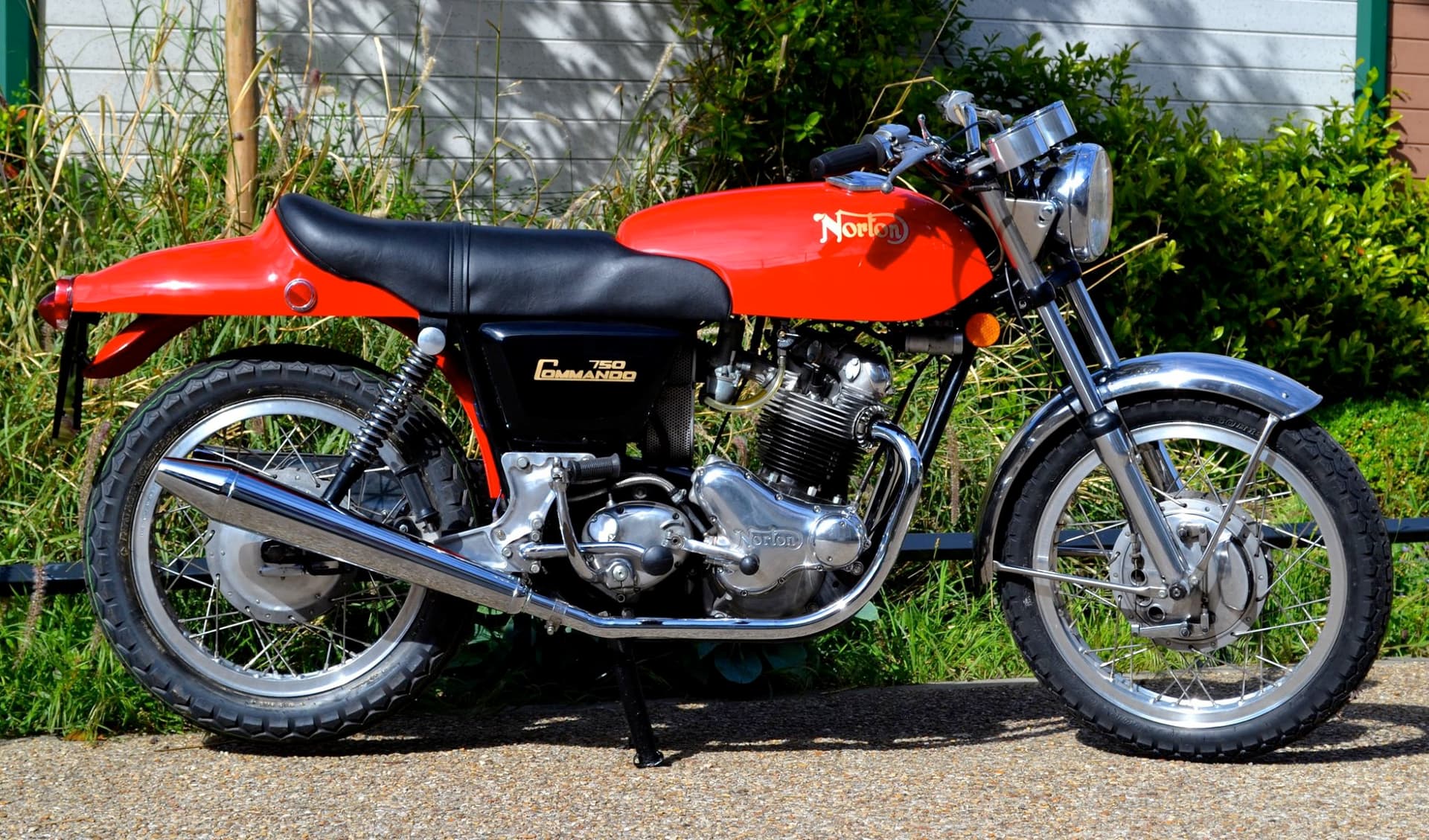
The star of the show was the new 750cc Norton Commando with its isolastic frame replacing the old featherbed.

It was hailed not simply as a new model, but as one that was going to save the British motorcycle industry, which was already starting to see the writing on the wall, as well as provide a large-capacity machine for the American market that Norton-Villiers so desperately needed.
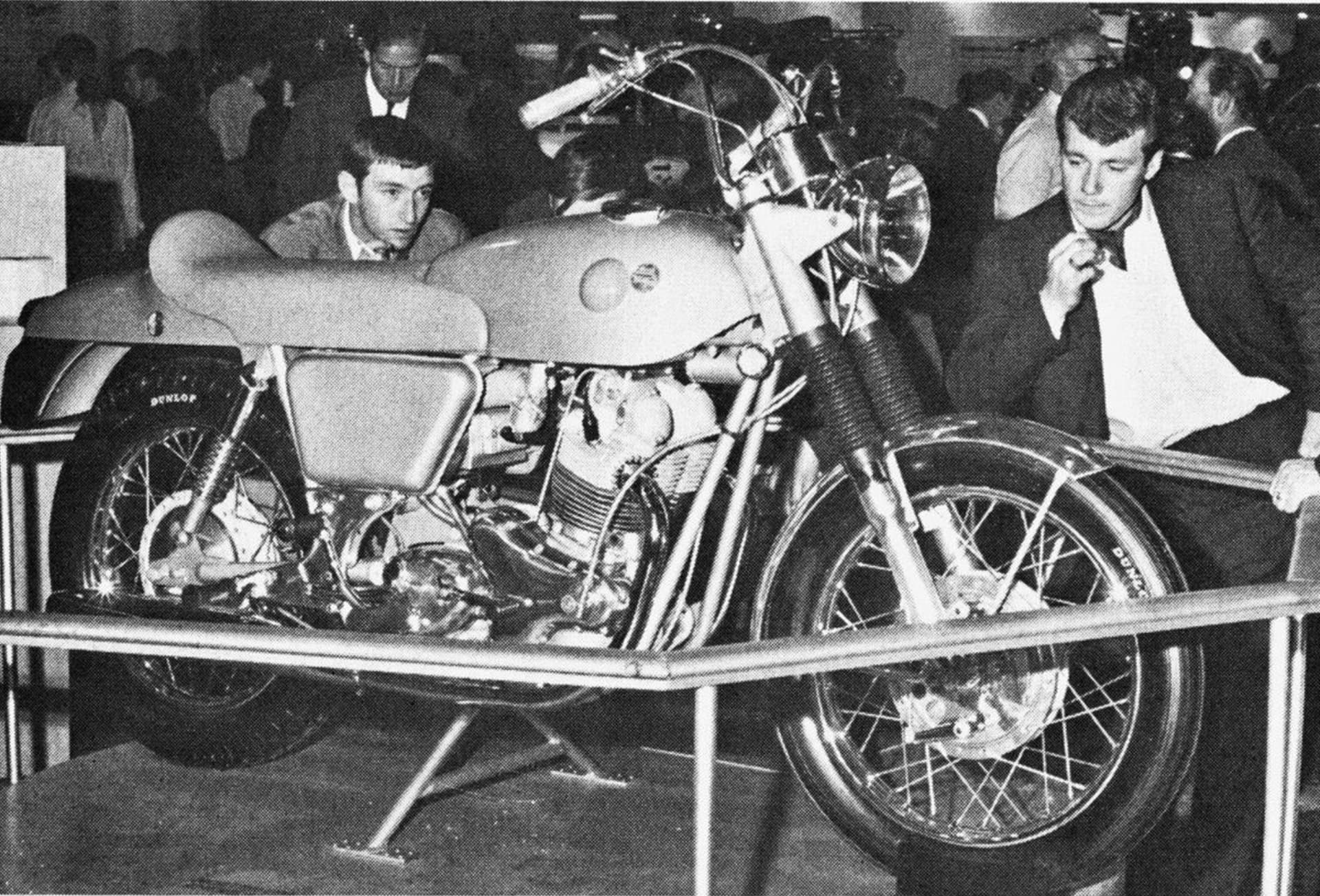
It certainly impresse Motor Cycle News - they made it their Bike Of The Year for five years running (1968 to 1973).
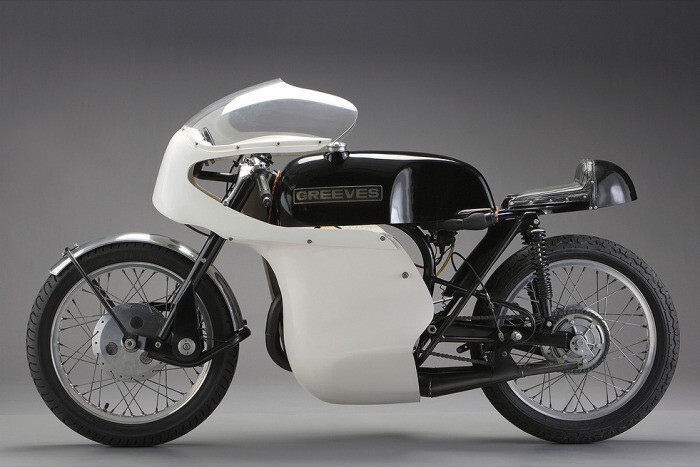
Elsewhere at the show, Greeves unveiled the Oulton, a big sibling to the successful Silverstone production racer. Although its slimmed-down weight should have made it a contender, it couldn’t come close to the success of the Silverstone and just 21 Oultons were built. In 1968, Bert Greeves retired and Greeves stopped making production racers altogether.
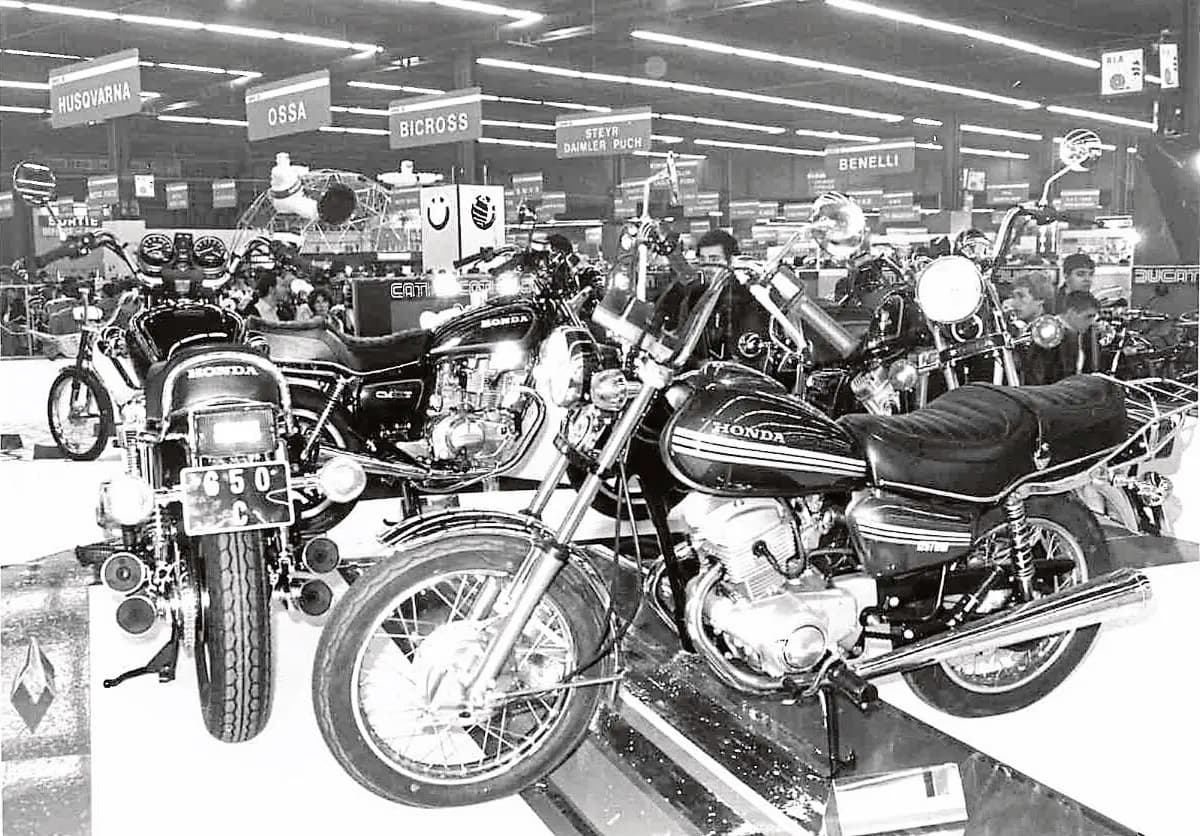
Punters arriving hoping to see the rumoured three-cylinger Triumph and BSA bikes were to leave disappointed. The Trident and BSA Rocket 3 wouldn’t be unveiled until the following year. In fact, with the exception of the Commando, there was little new on show from the main British manufacturers. Enthusiastic, but previously dismissed, Japanese manufacturers, Suzuki, Yamaha, Kawasaki and Honda, were a growing presence with bigger stands than ever.
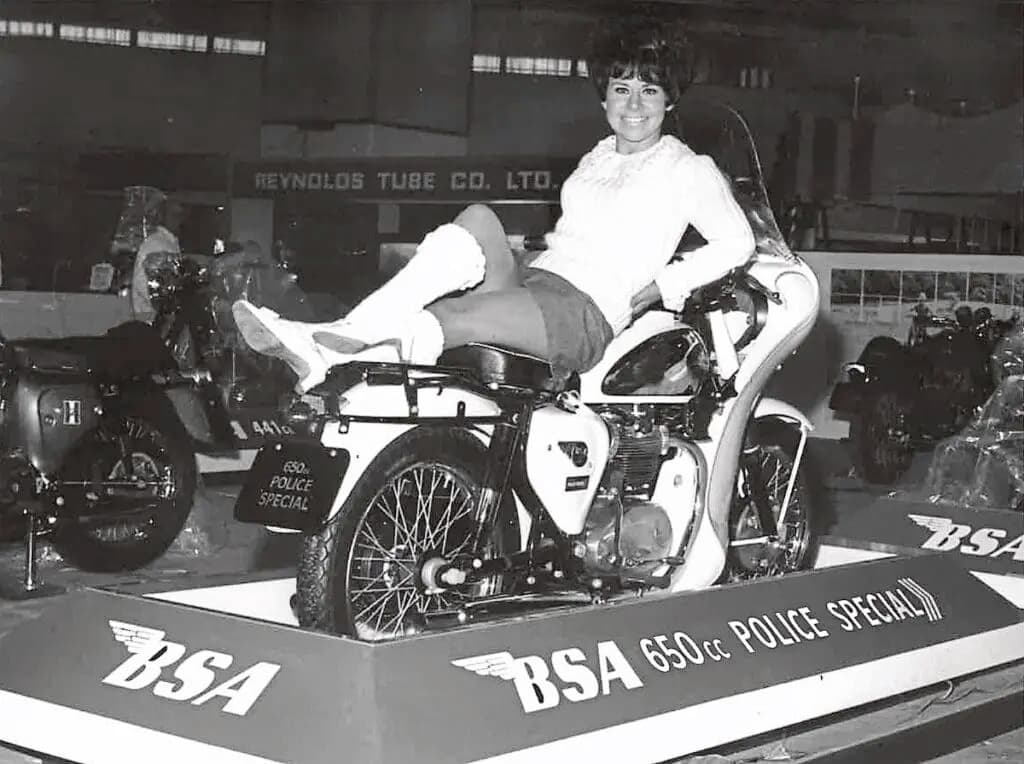
BSA arrived with their high speed, 650 patrol special. You probably woudn’t get away with lounging about on one in the wild but a bit of glamour was provided on this occasion - anyone recognise the ‘rider’?
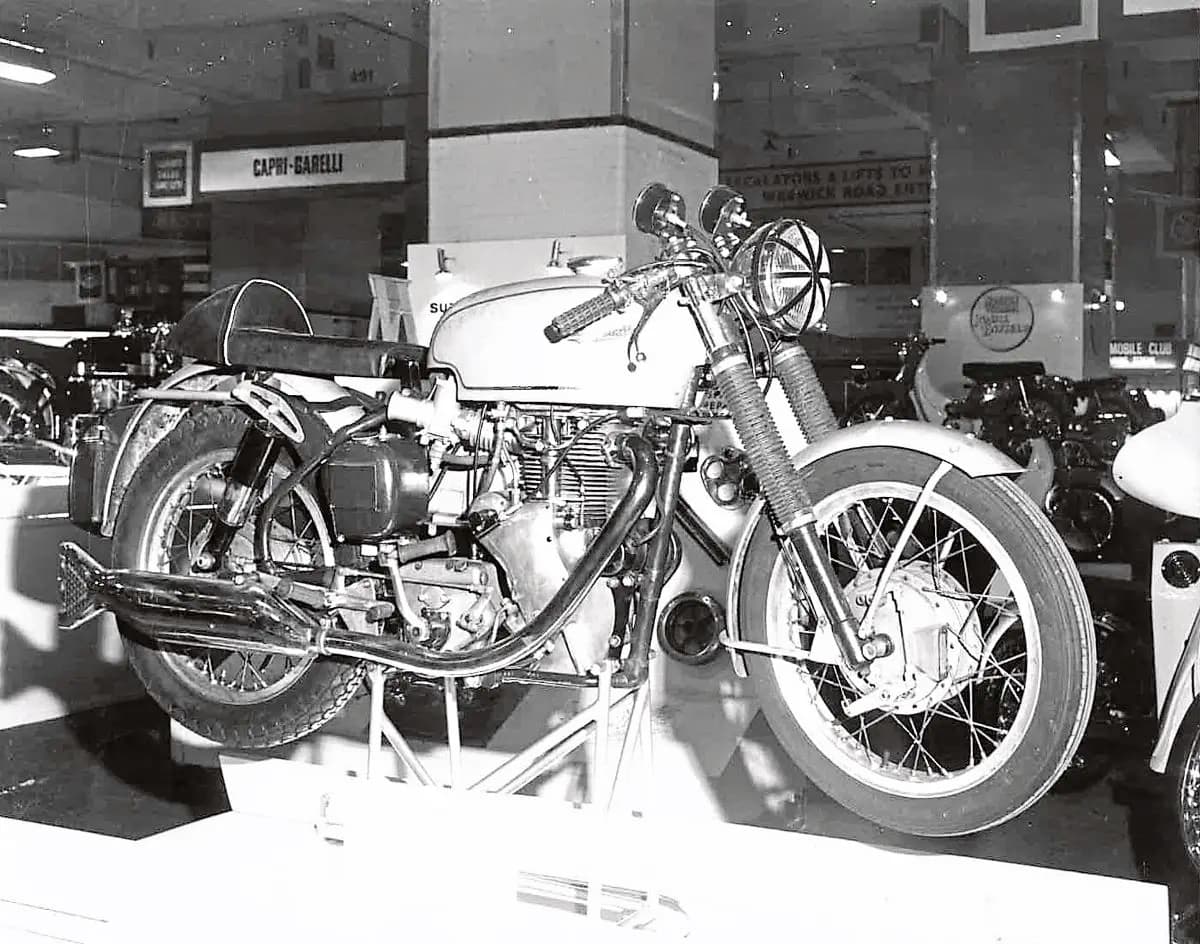
On display from Velocette was Neil Kelly’s TT-winning Velocette Thruxton Venom. The bike had arrived late at the Diamond Jubilee TT in 1967 and, by race day, Neil still hadn’t completed a full lap. He was allowed to compete but had to set off last in the Le Mans-style start. Despite that, he fought through the field to win, becoming only the second Manxman to win a TT – and the first for 54 years.
As Dylan almost said, the times there were a-changin’. In Britain, a 16-year-old could ride a 250cc motorcycle on L-plates, but there were rumblings about a change in the law that would restrict them to 50cc machines. The rumours turned out to be true and the law came in to effect in 1971. Despite this forewarning, the main British manufacturers seemingly ignored the new entry-level for young bikers - there were no machines shown, nor indications that they were working on any small-capacity models. So when two-wheeled freedom beckoned (you couldn’t drive a car until you were 17), youngsters turned their attention to the Yamaha FS1-E, clearing the way for a new generation to accept Japanese manufacturers as equal (or better) than their staid, British counterparts. And we all know how that turned out.