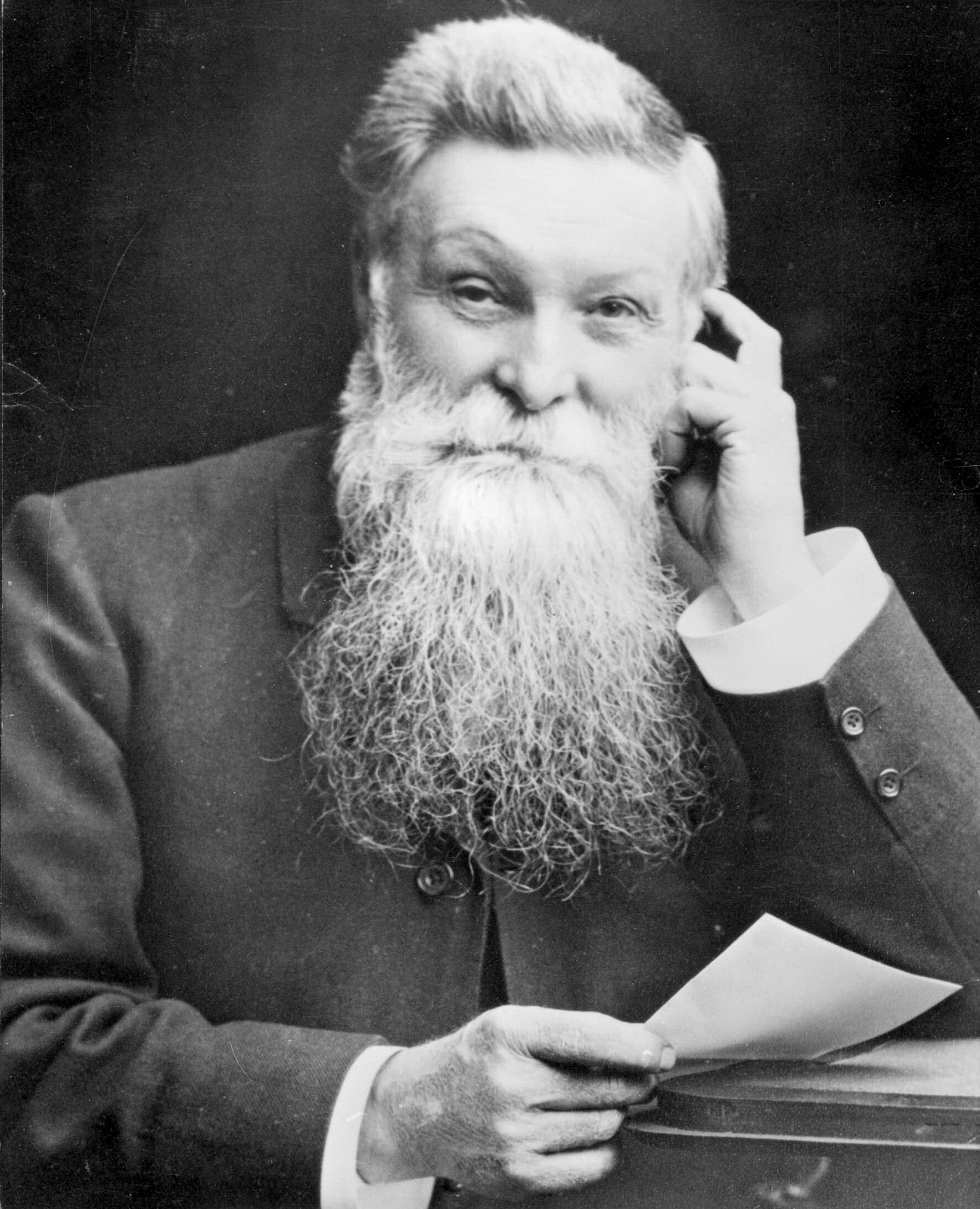
John Boyd Dunlop, a Scottish vetinary surgeon and inventor, died in 1921 aged 81 years.
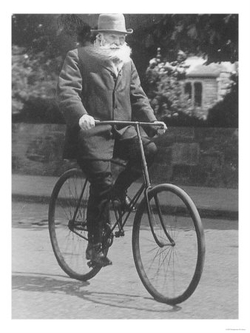
In 1887, Dunlop developed the first practical pneumatic (inflatable) tyre for his son’s tricycle. Using his knowledge and experience with rubber, he then fitted it to a wooden disc, 96 centimetres across. The tyre was an inflated tube of sheet rubber. Taking that wheel and a metal wheel from his son’s tricycle, he rolled both together across the yard. The metal wheel stopped rolling but the pneumatic one continued until it hit a gatepost and rebounded. Dunlop then put pneumatics on both rear wheels of the tricycle. That too rolled better. Dunlop moved on to larger tyres for a bicycle “with even more startling results.”
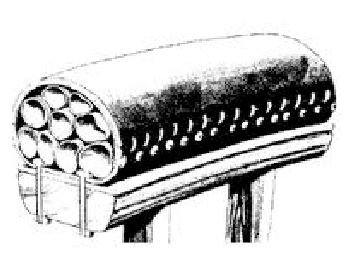
Dunlop applied for a patent but, unknown to him, another Scot, Robert William Thomson, had patented a pneumatic tyre in 1847, though it never went in to production.
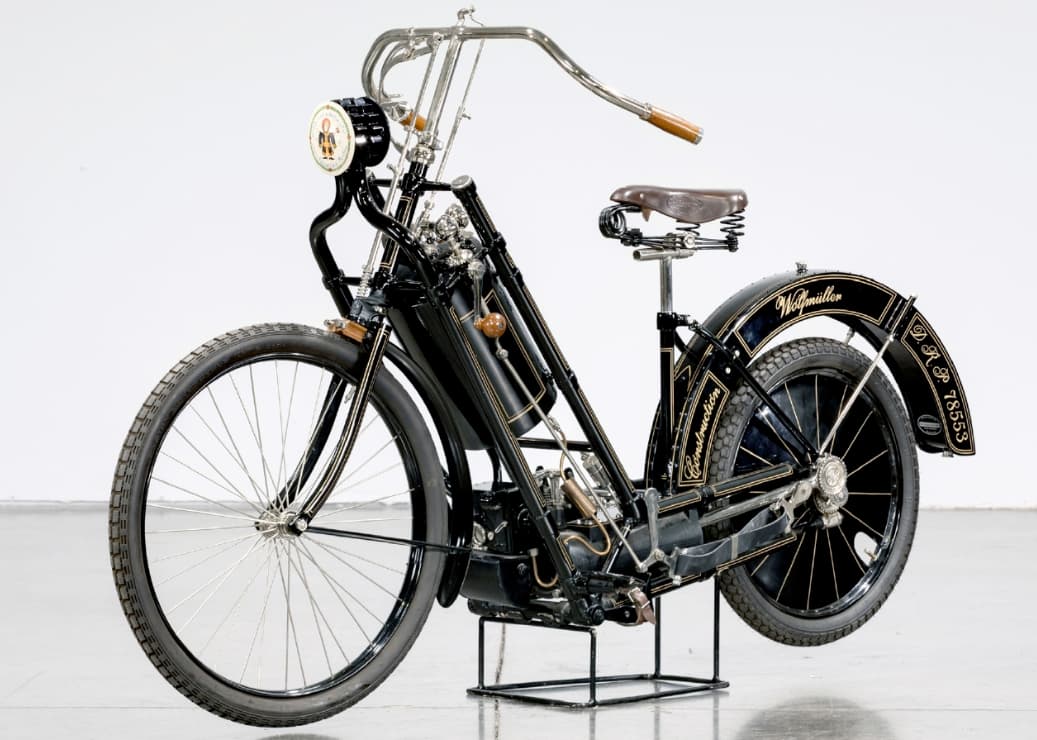
Heinrich Hildebrand and Alois Wolfmüller had been working on a bike since 1892: a 1,428cc/2½hp water-cooled four-stroke twin (with hot-tube ignition and surface ‘bubbler’ carb) which would become the first motor cycle to sport pneumatic tyres, thanks to a deal with Dunlop.