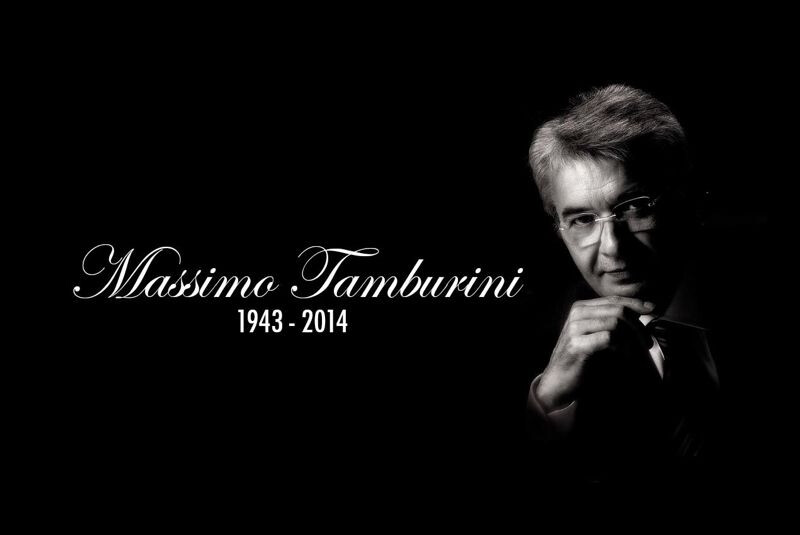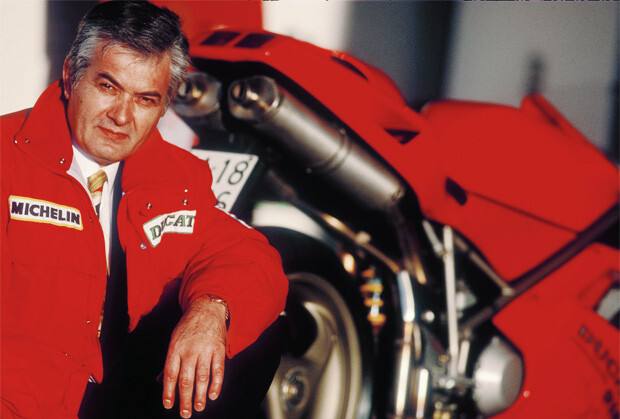
Massimo Tamburini was born in to a farming family in Rimini, Italy in 1943. He went on to design some of the most iconic motorcycles in the world. As Enzo Ferrari was to cars, Massimo Tamburini was to motorcycles.
Tamburini started designing bikes after visiting the Grand Prix at Monza in 1961, where he was captivated by the sight and sound of the four-stroke MV Agusta.
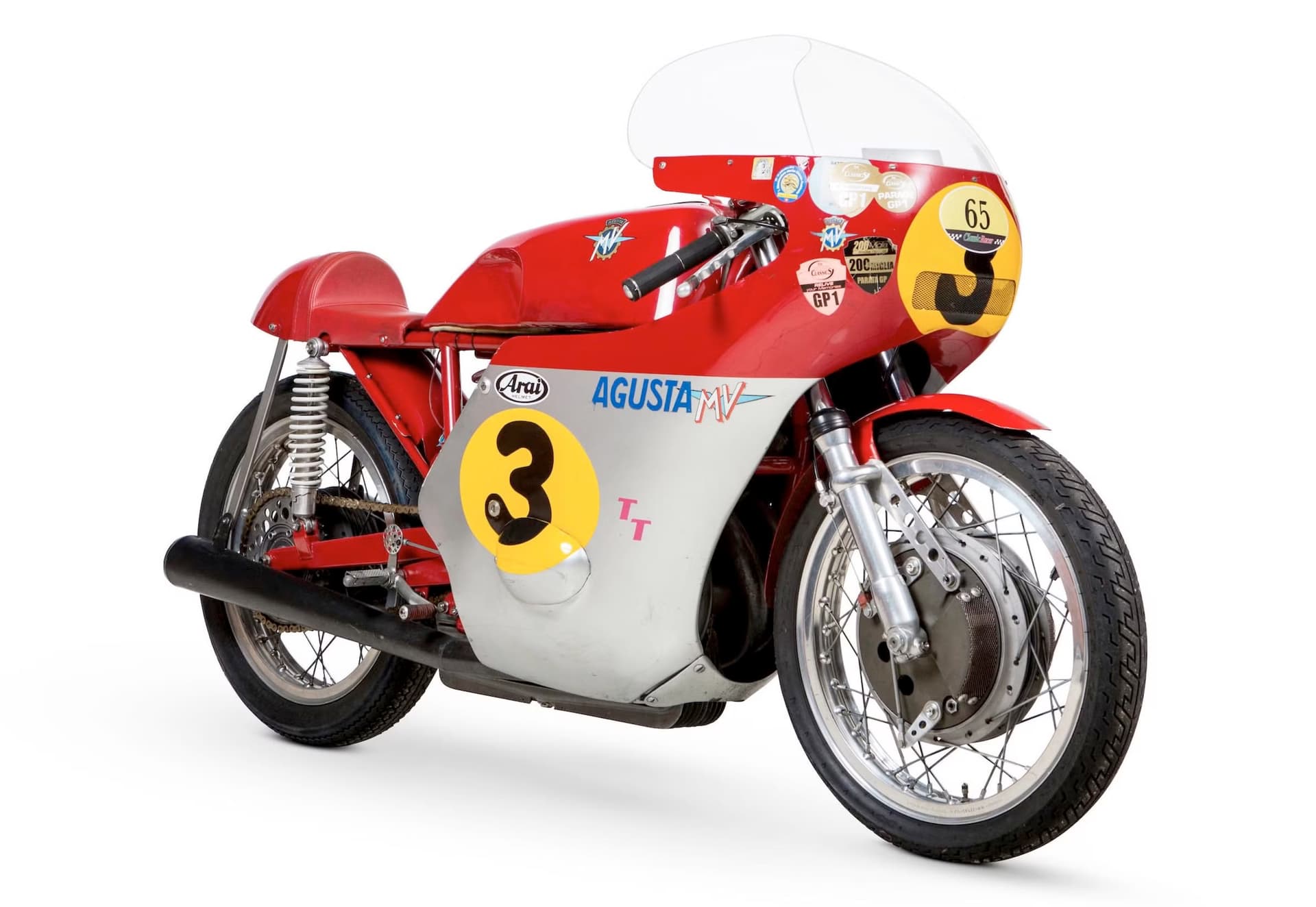
He still owned a heating business in Rimini but became known for his skill at race tuning. His first design came in 1971 - a customised MV Agusta 750 Sport with a frame he welded himself.
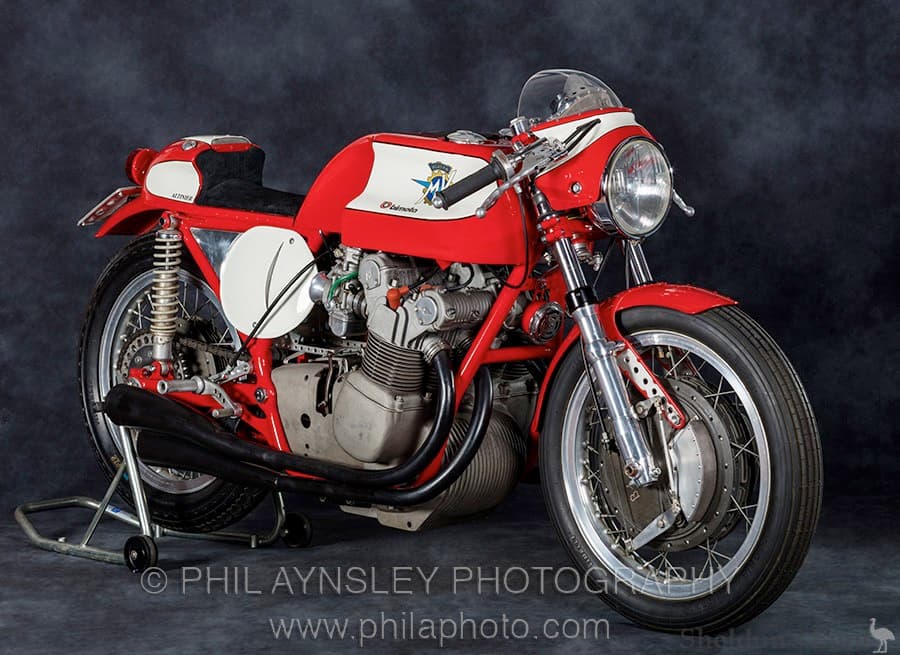
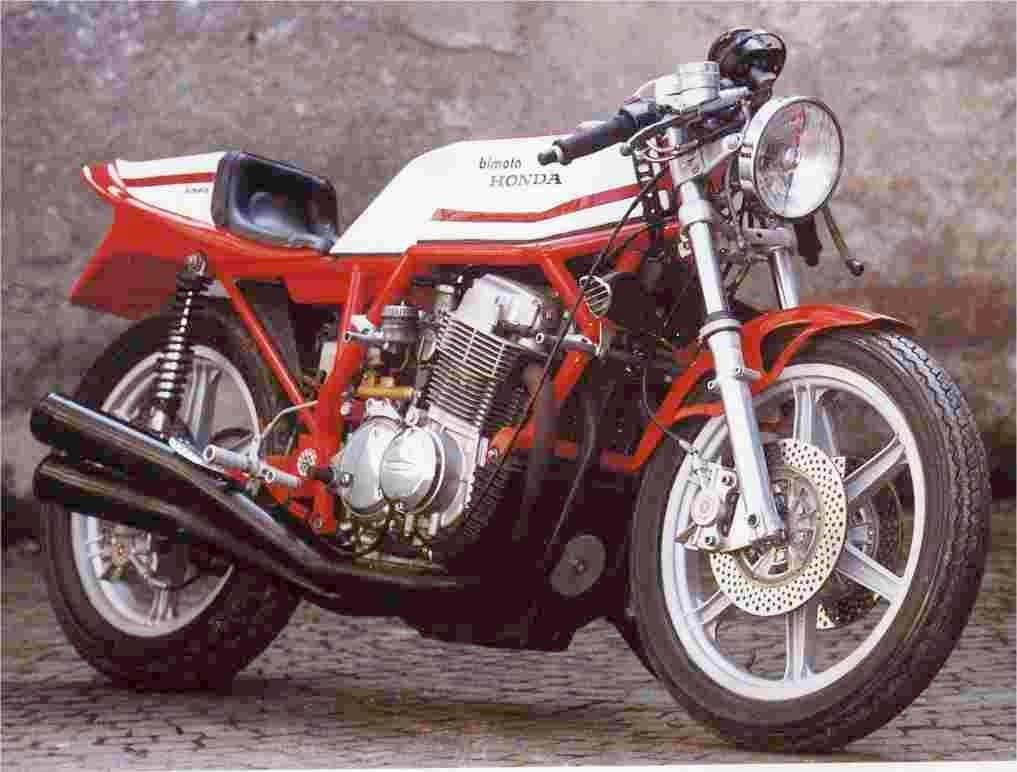
Two years later, Massimo partnered with Valerio Bianchi and Guiseppe Morri to found Bimota. Their first bike was available in kit form, the CB750 engined HB1.
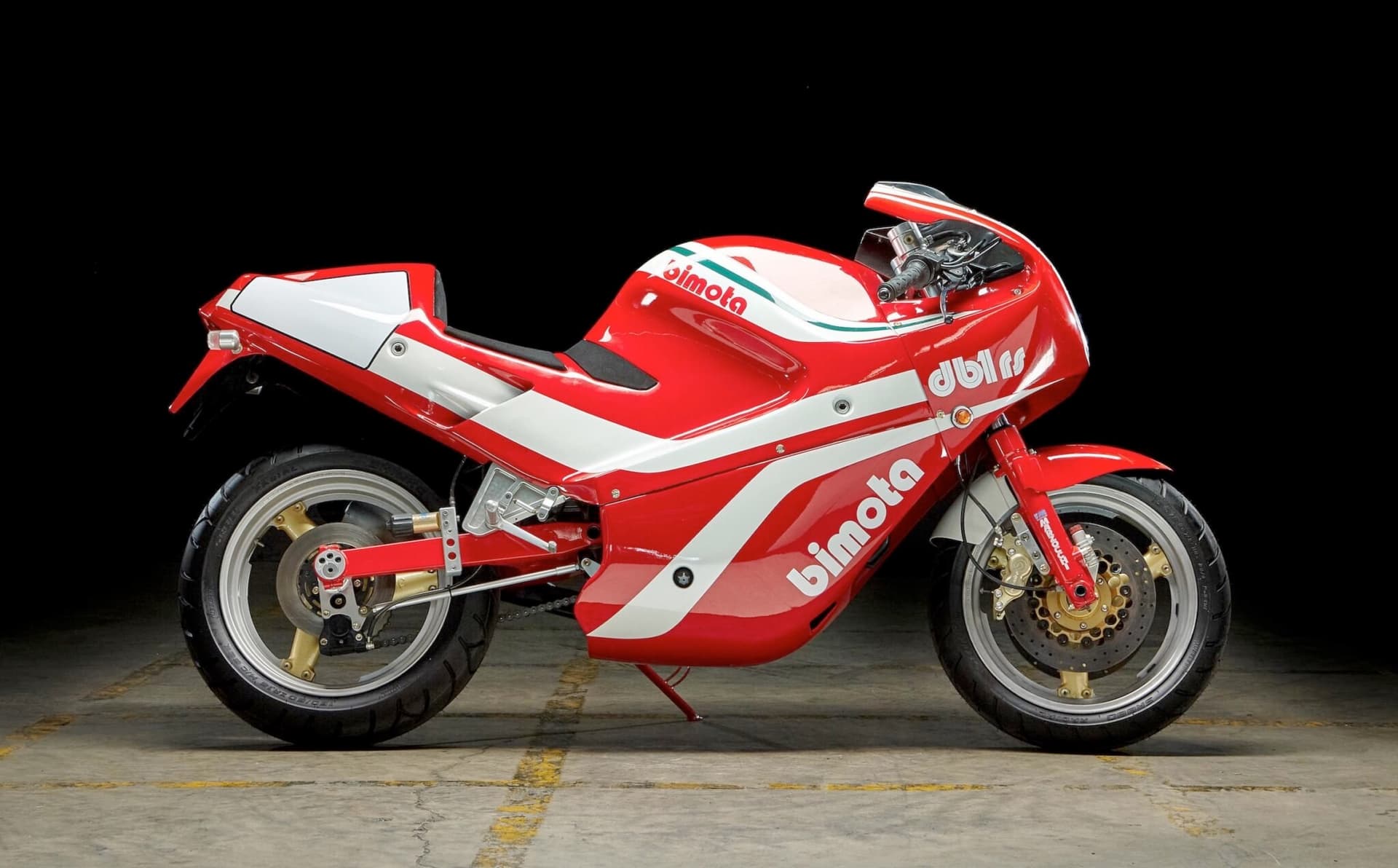
After 11 years at Bimota, and a stint in the 500cc World Championship paddock, Tamburini joined Cagiva in 1985 when they had just acquired Ducati. He still did some work for Bimota, working on the DB1 prototype.
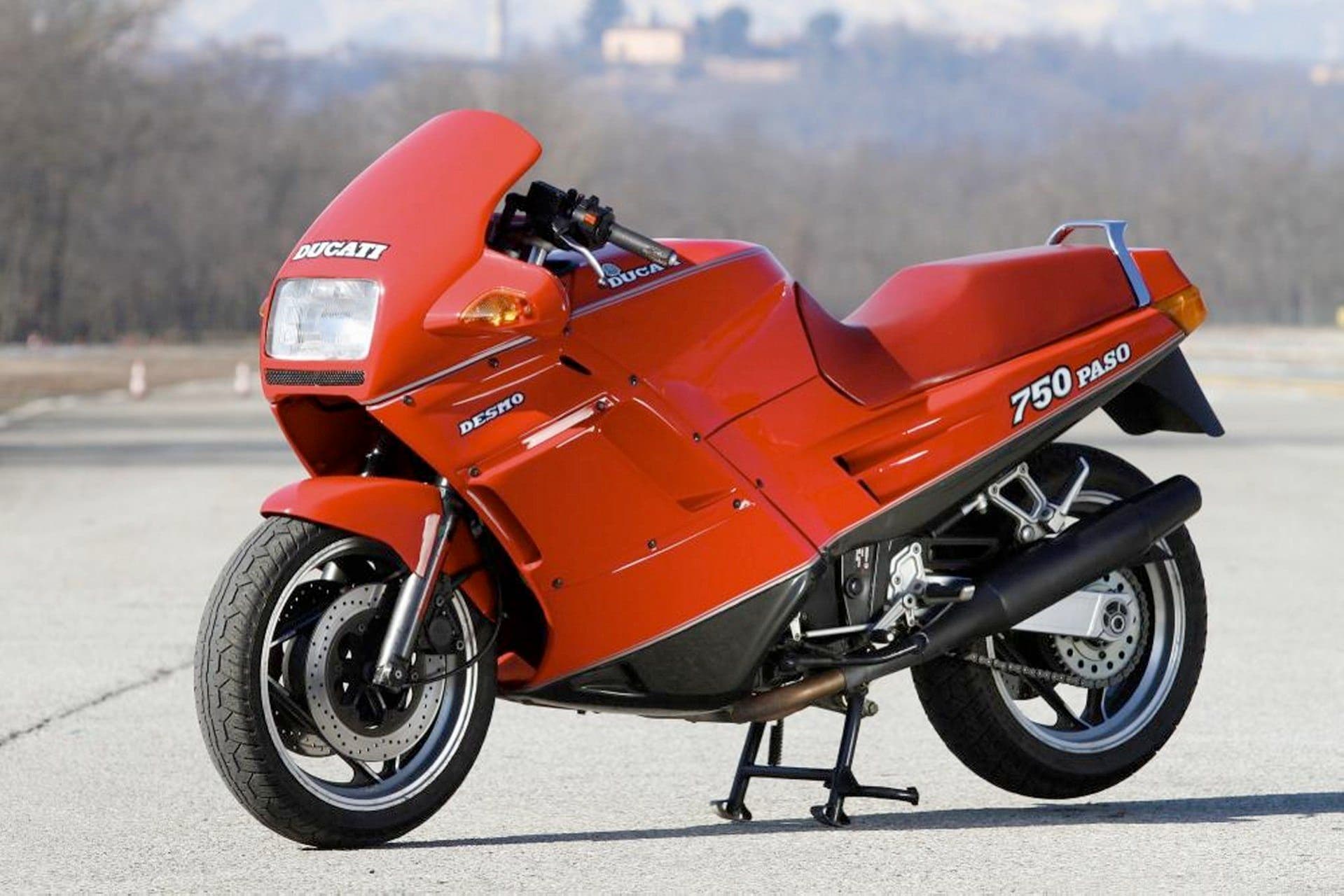
The first Ducati to be produced off his drawing board was the Paso 750 that went on sale in 1986.
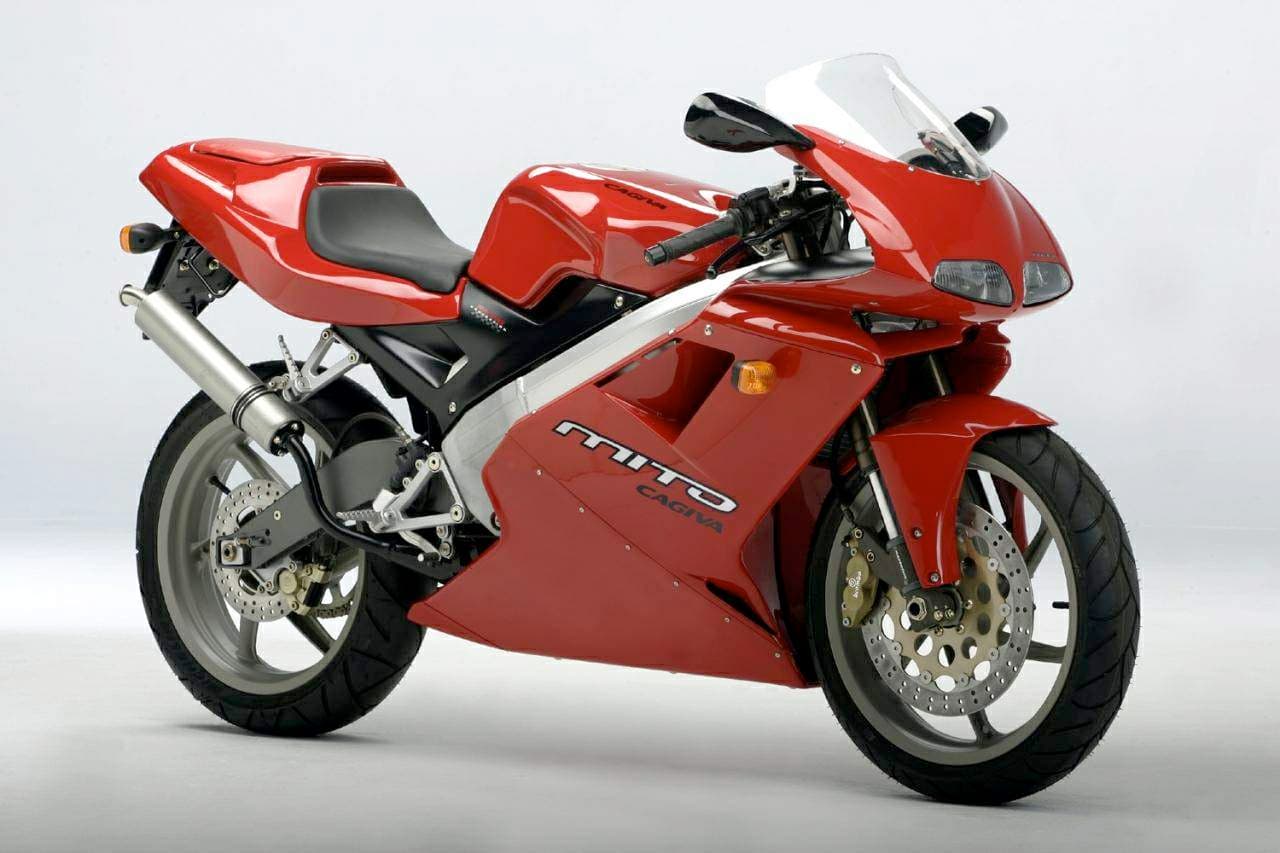
Then, from the Cagiva stable came to small but perfectly formed Mito in 1990. You could see where his design ideas were leading…
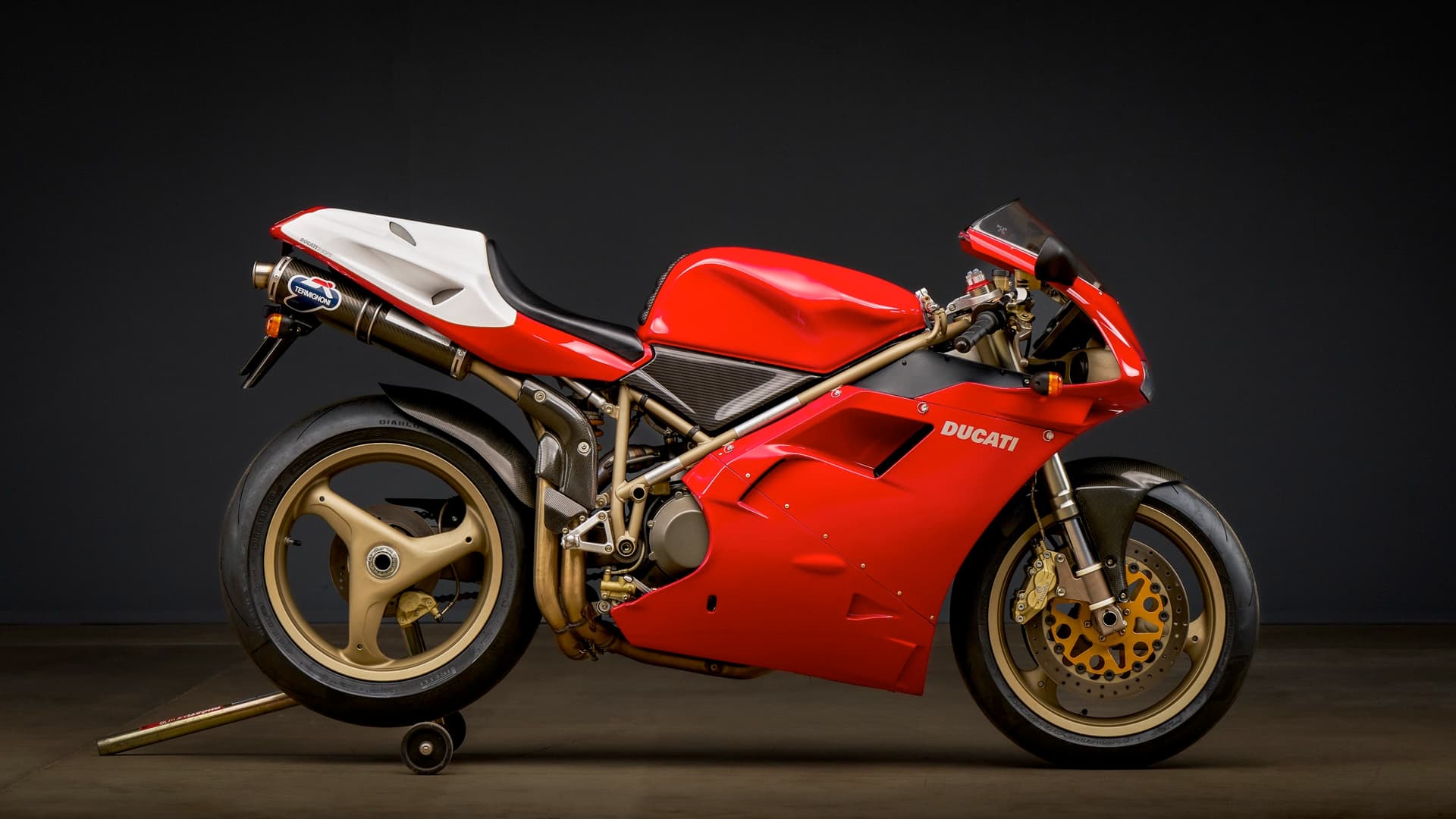
Tamburini’s most famous motorcycle design is probably the iconic Ducati 916. Even though it took a few cues from Honda’s NR750, it’s the Ducati that stands out, so much that it was featured in the Guggenheim Museum exhibition The Art Of The Motorcycle in 1998.
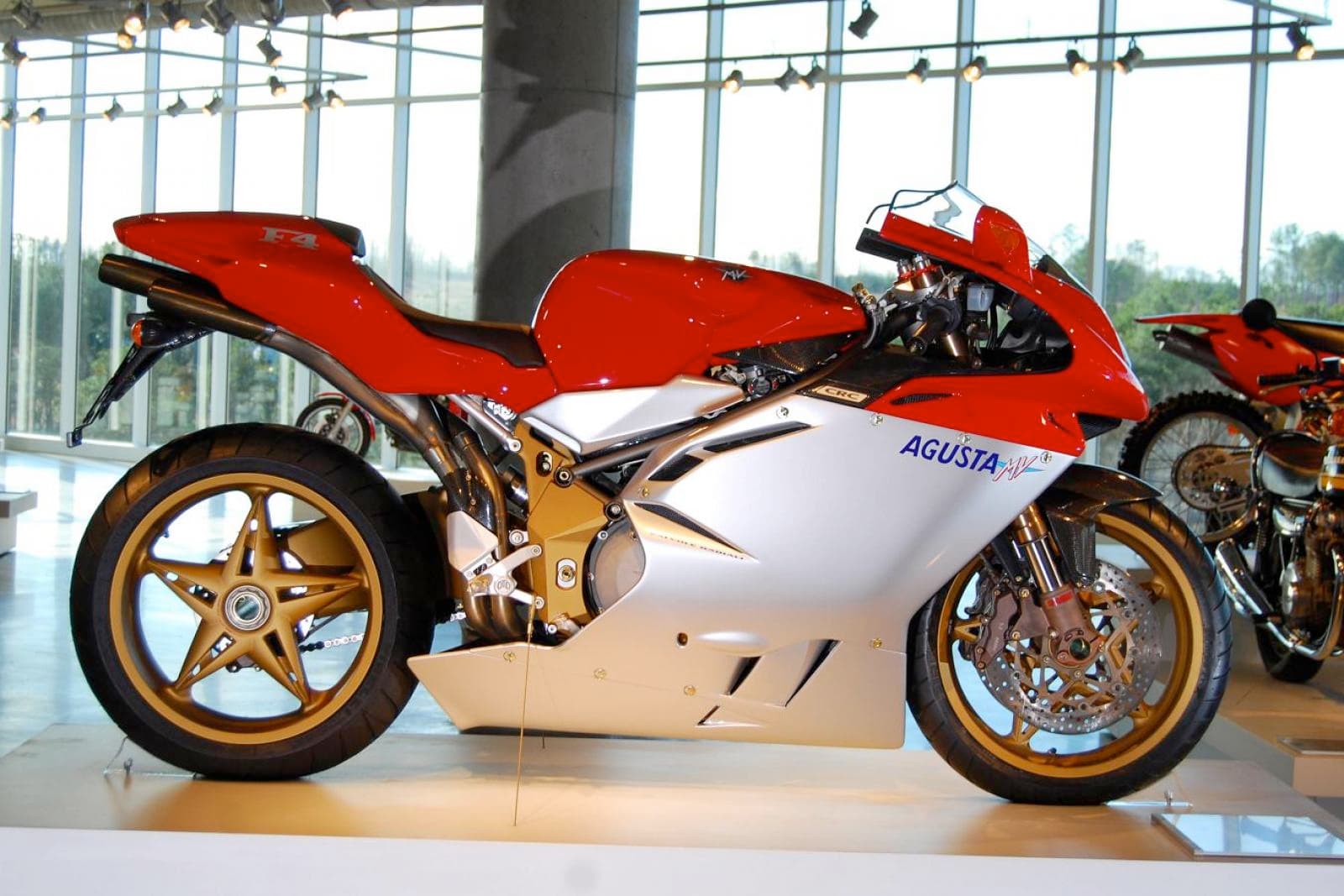
The MV Agusta F4 was produced from 1999. At the time, Tamburini was faced with an operation for prostate cancer that he feared he wouldn’t survive, so he manically filled sketchbooks with every detail of the bike.
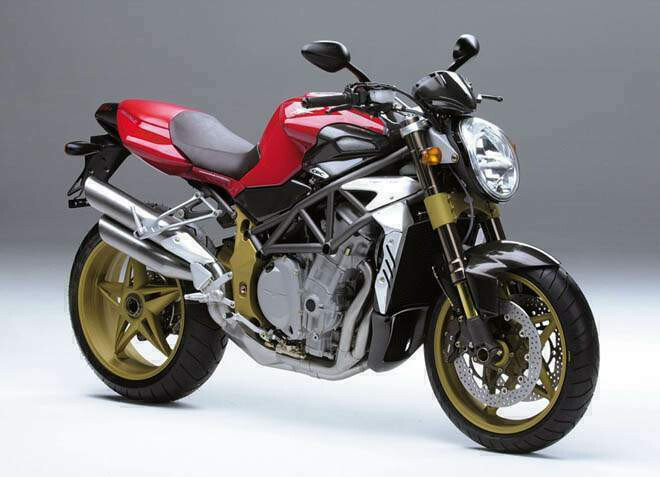
The 2001 MV Agusta Brutale was the first motorcycle to sport the ‘melted’ headlight design.
Massimo retired on New Years Eve in 2008 after a hugely successful career. He died in 2014.