I got very excited about the prospect of a Manx style racer until I checked out the price of CS1 parts and realised I was about £10,000 away from a running motor.
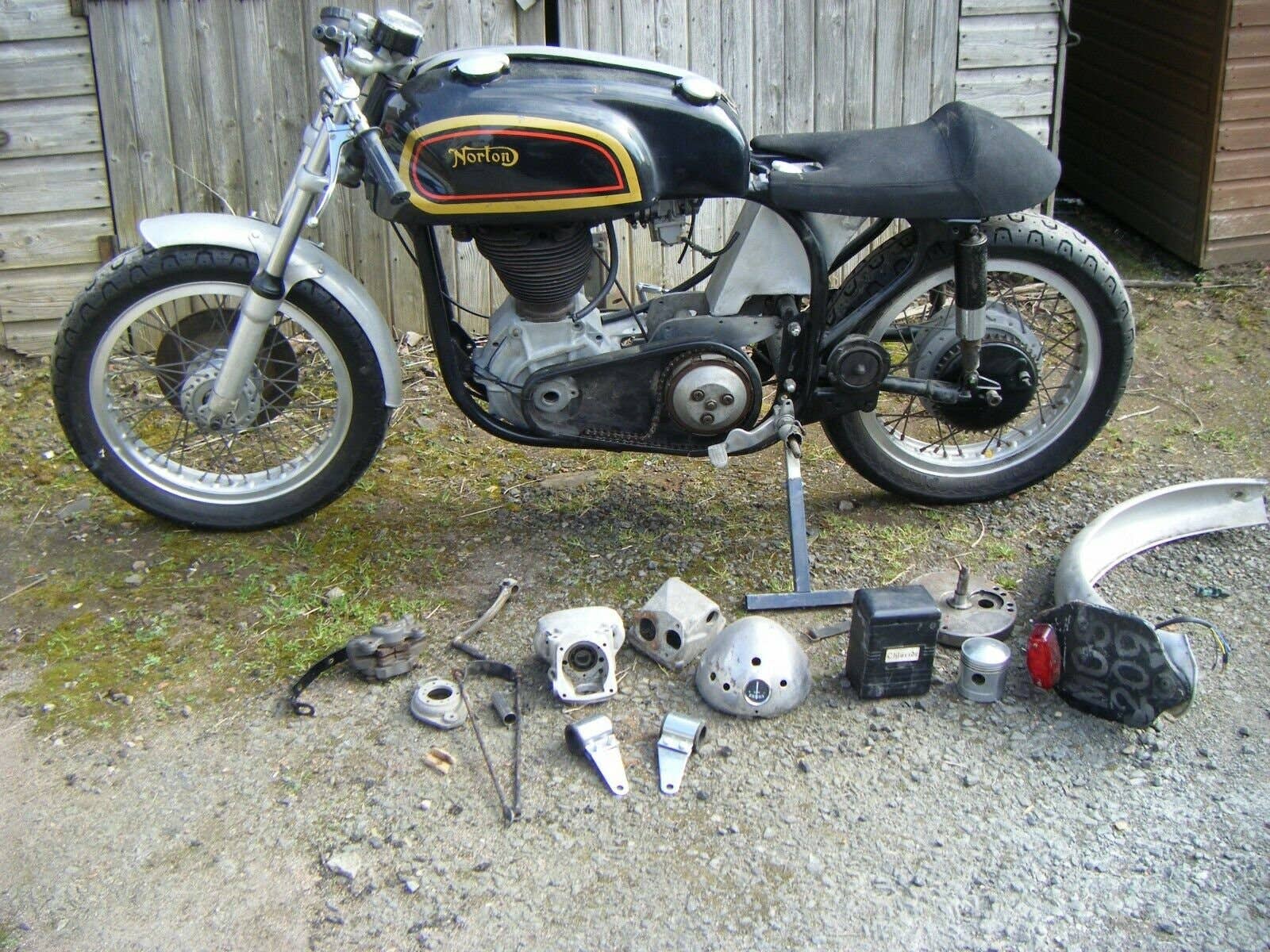
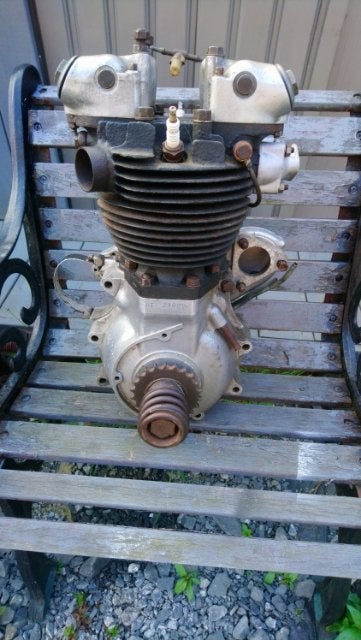
Anyway I found a nice little 6T Iron head motor and decided to go for a Triton cafe racer.
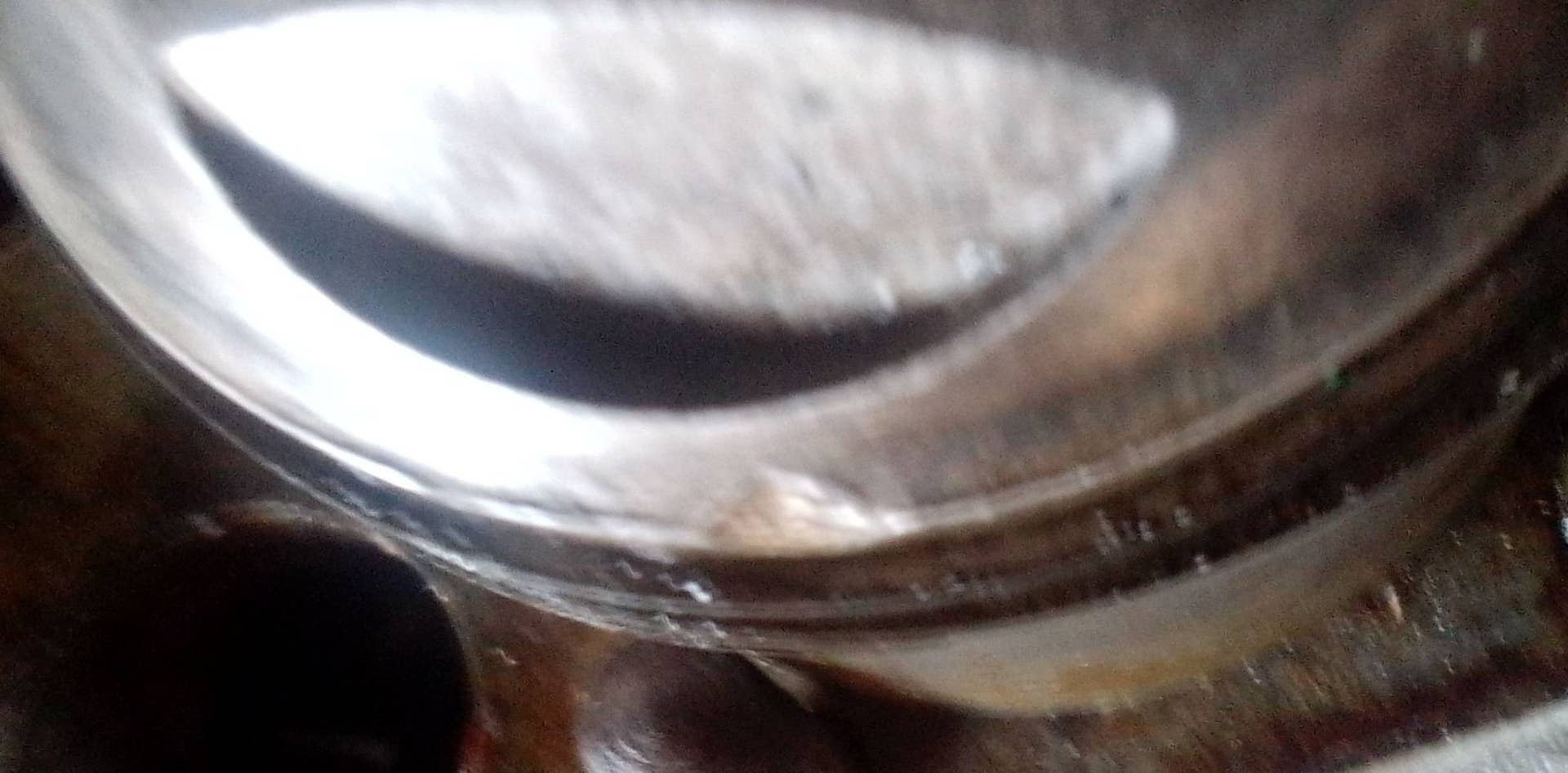
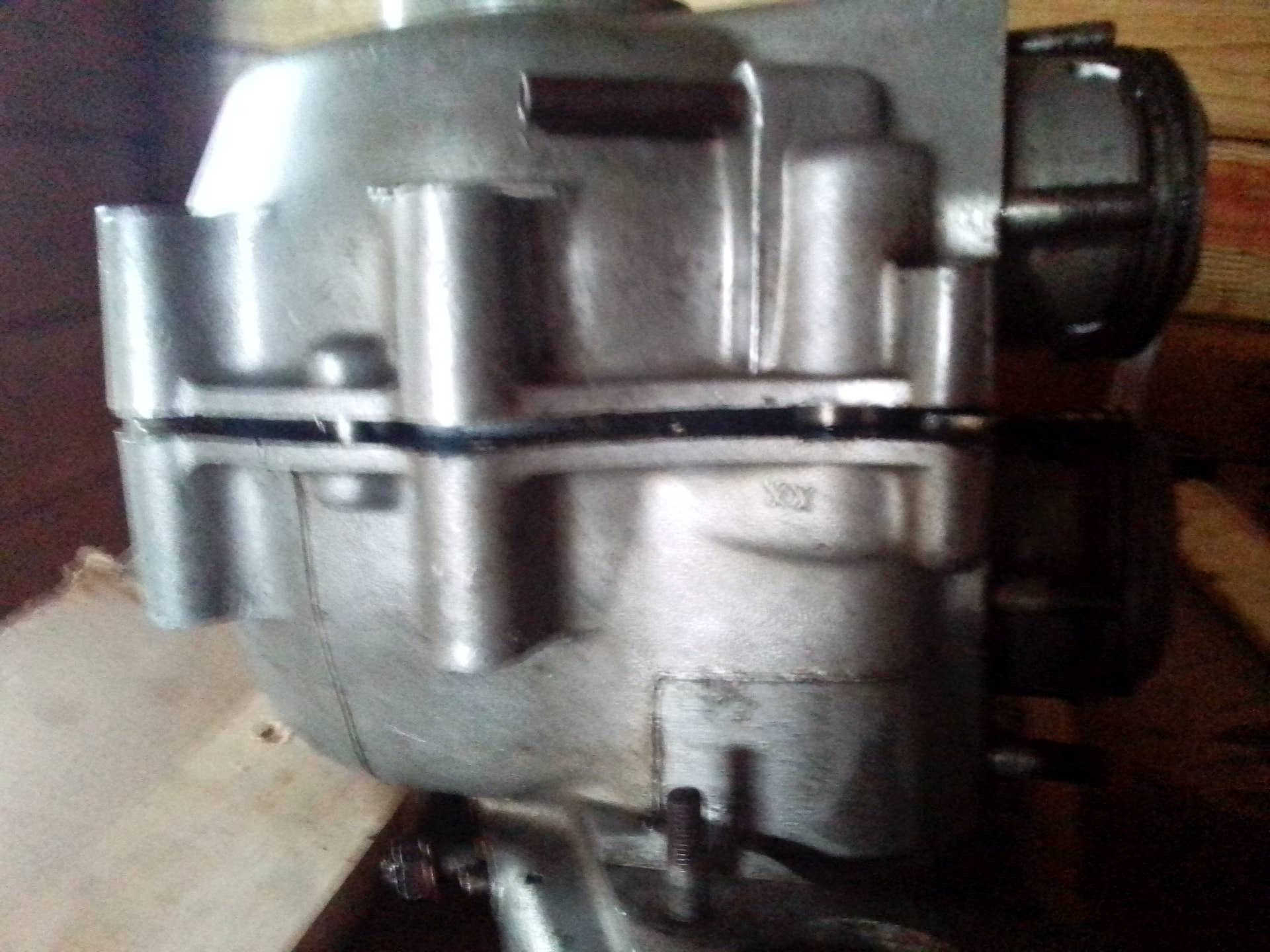
I can only imagine that a metal gasket had been previously fitted and had contact. The previous owner didn’t see it as a problem as there was a new copper gasket fitted.
Examination of the head didn’t show any issues so I took it down to Autohead Engineering in Inverness to have hardened exhaust valve seats fitted. This unfortunately wasn’t possible as there wasn’t enough material between the valves to machine out.
They checked the valves and guides and passed them fit for further service and recut the valve seats, so it is as good as it can be. They don’t get very hot or make much power anyway.
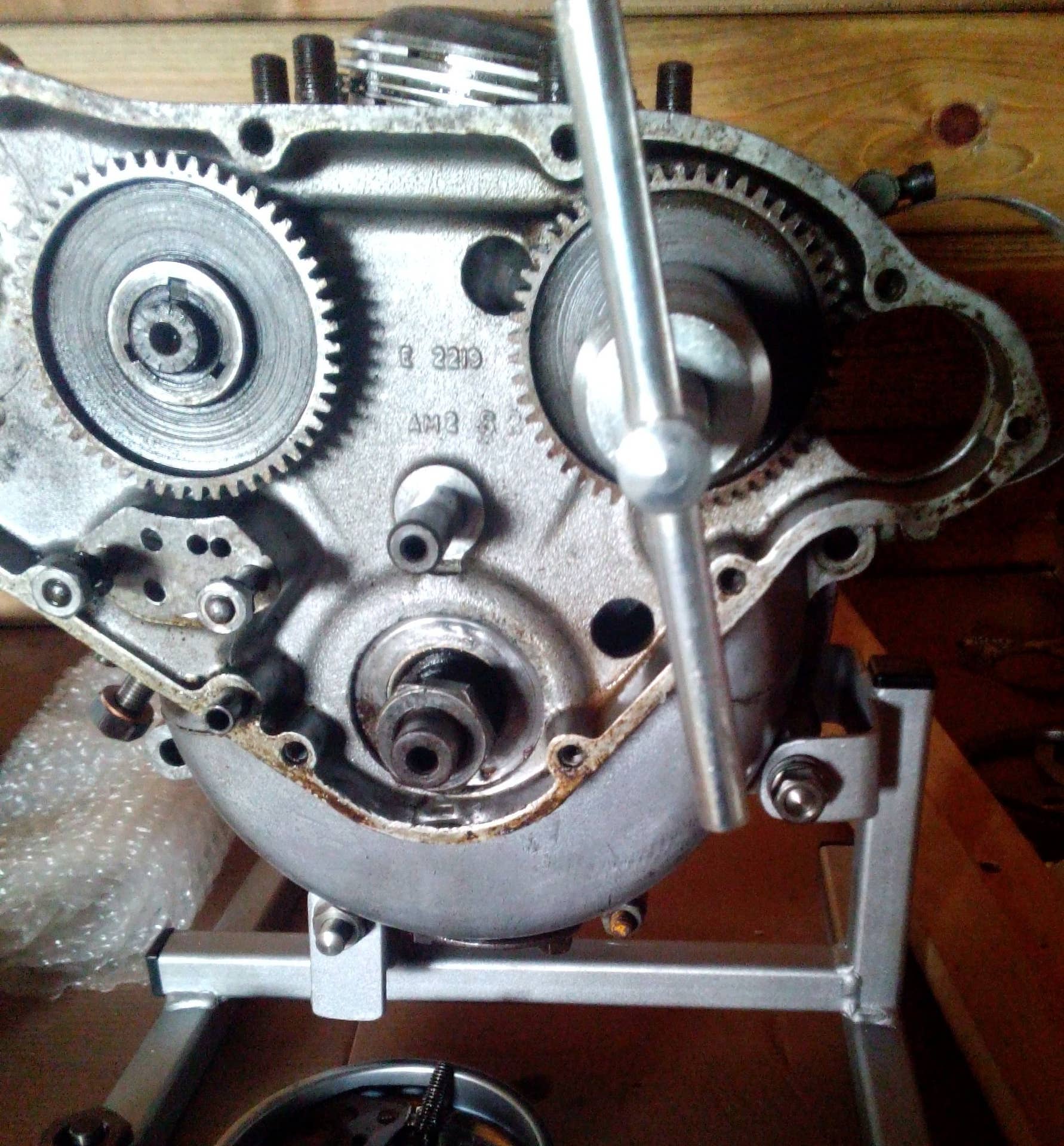
Removed the cam pinions with the correct tool. For future reference there is no need to unless there’s a pressing need to remove the camshafts from the case. Very rarely will the bushes need attention. Good luck if they do as the original type sintered bushes are not available. The solid bushes that you can get don’t ream properly.
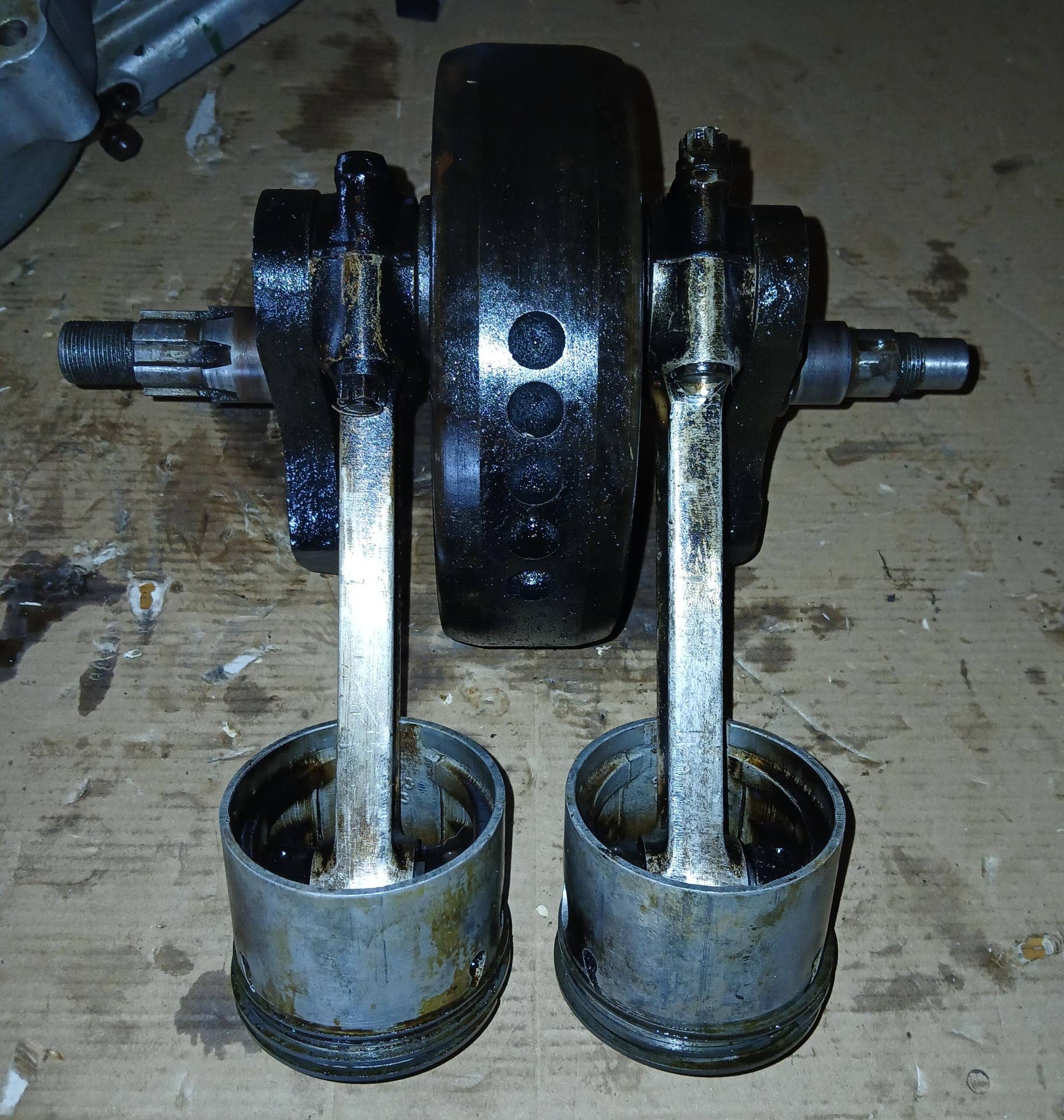
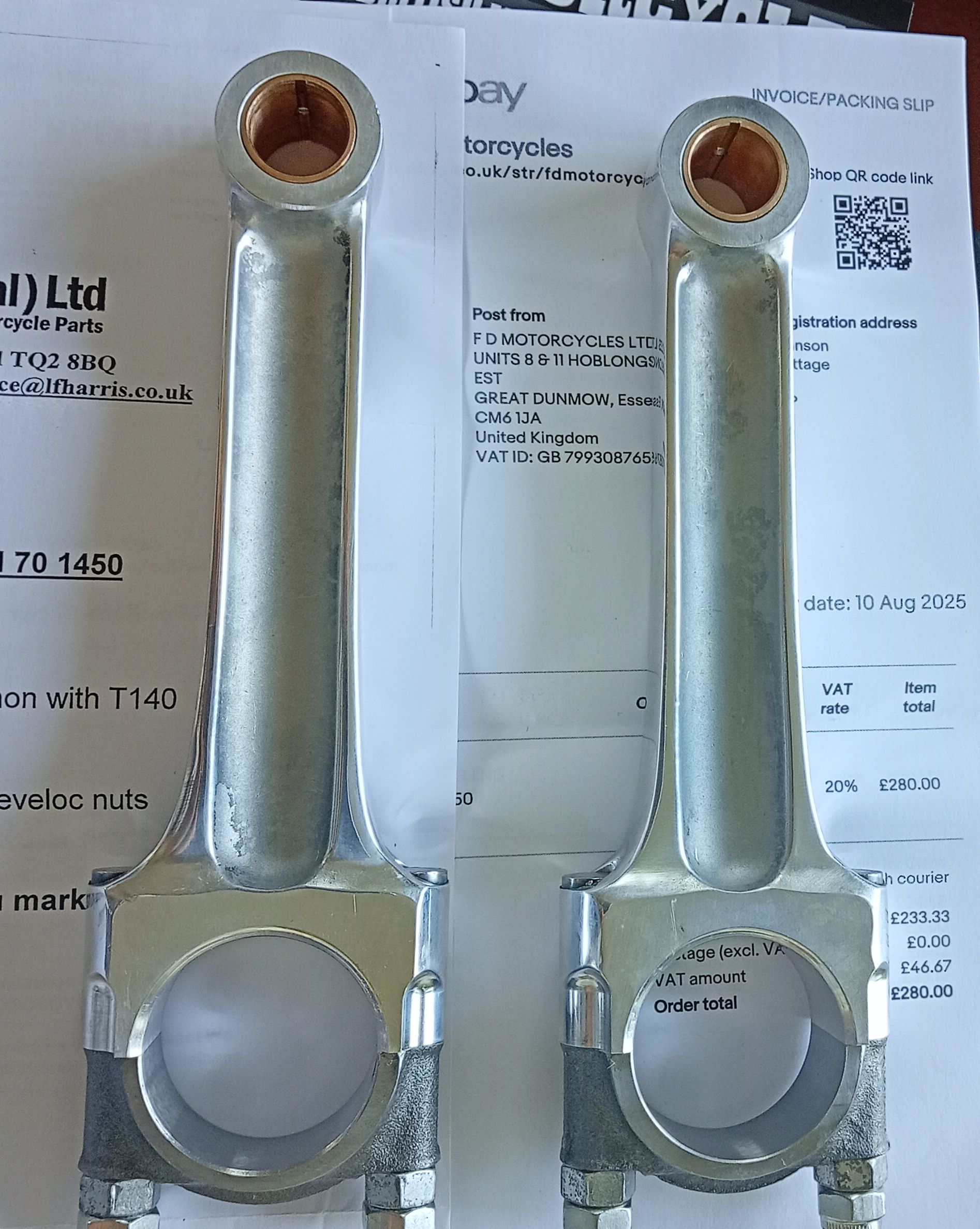
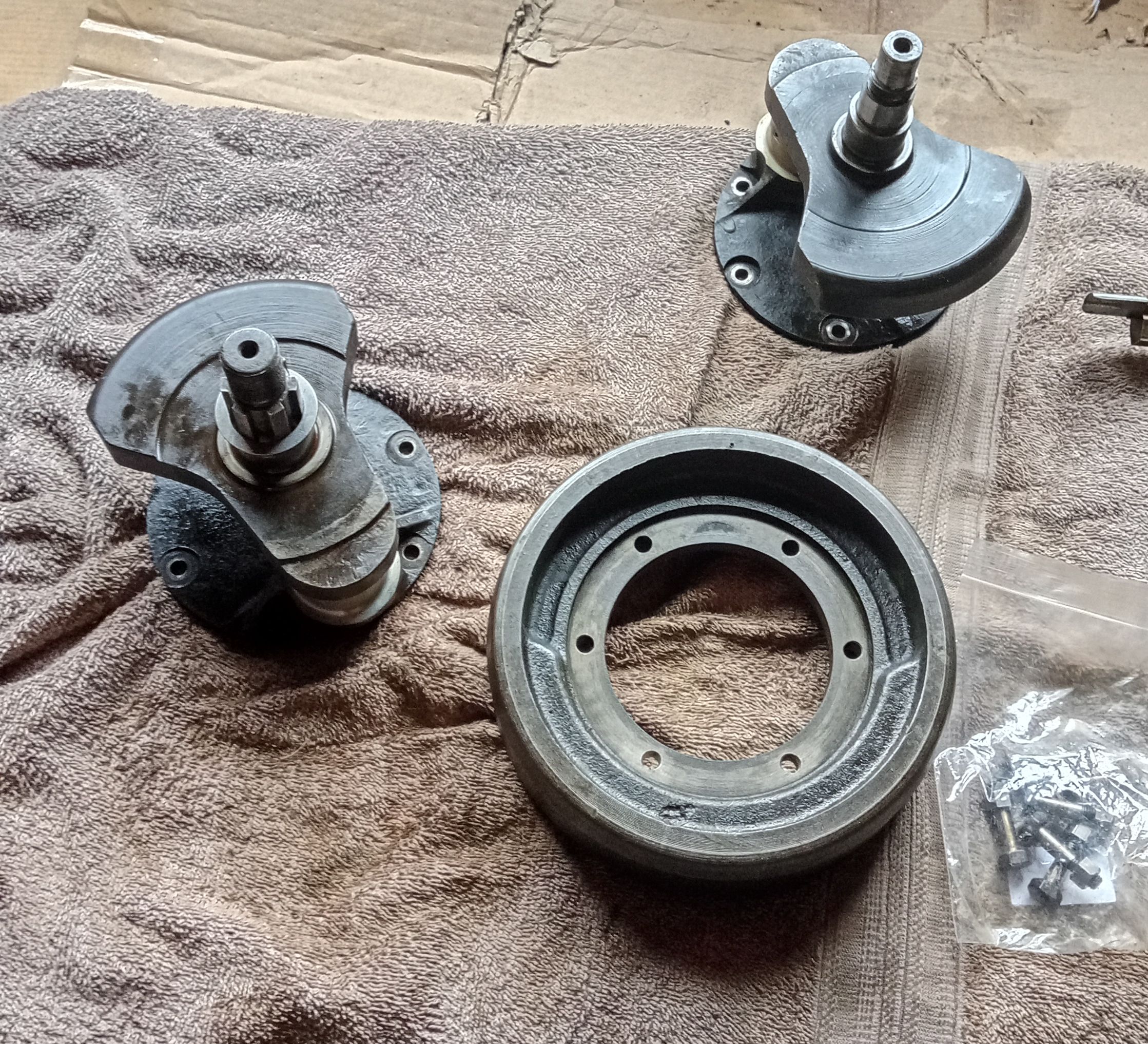
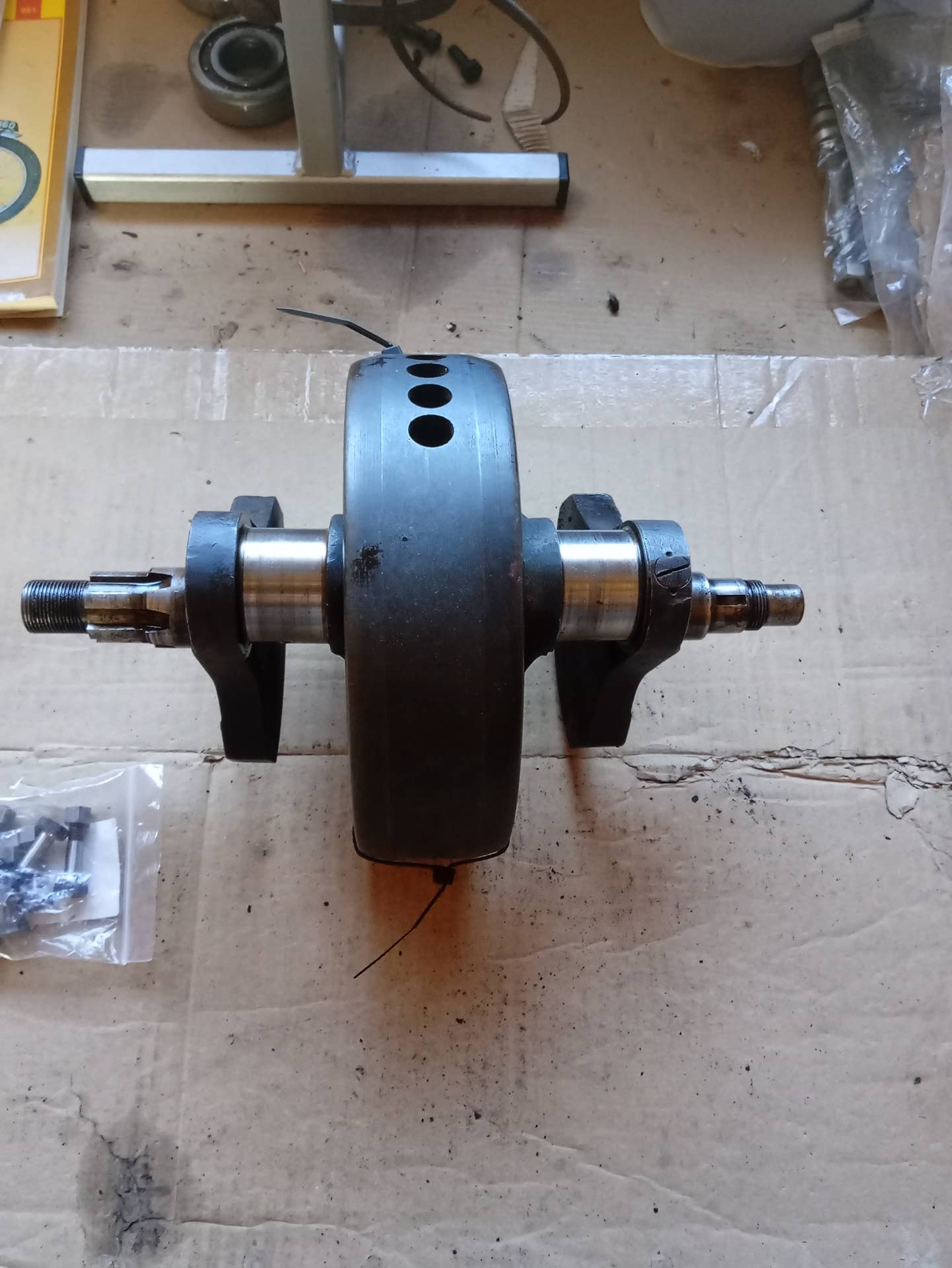
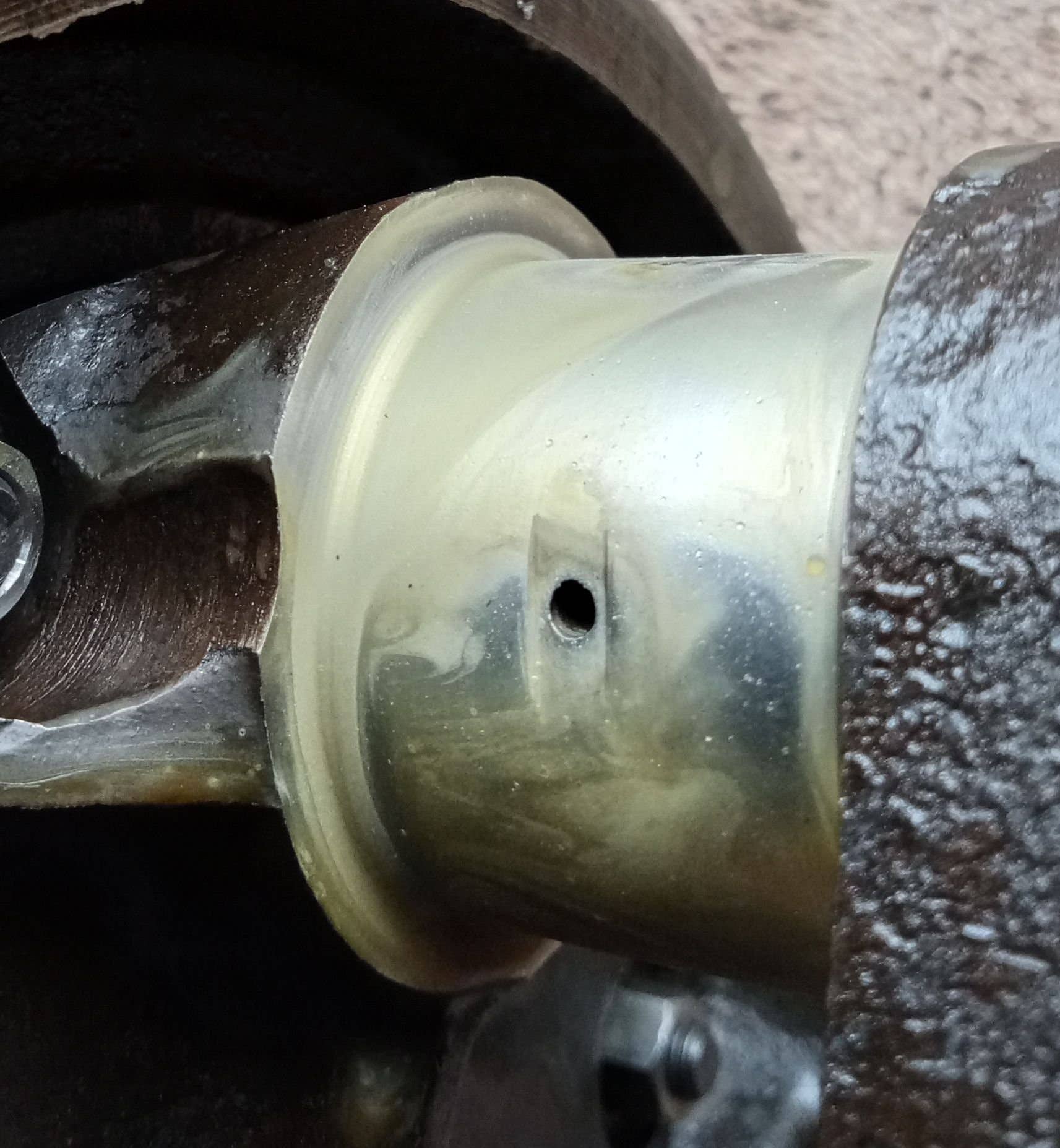
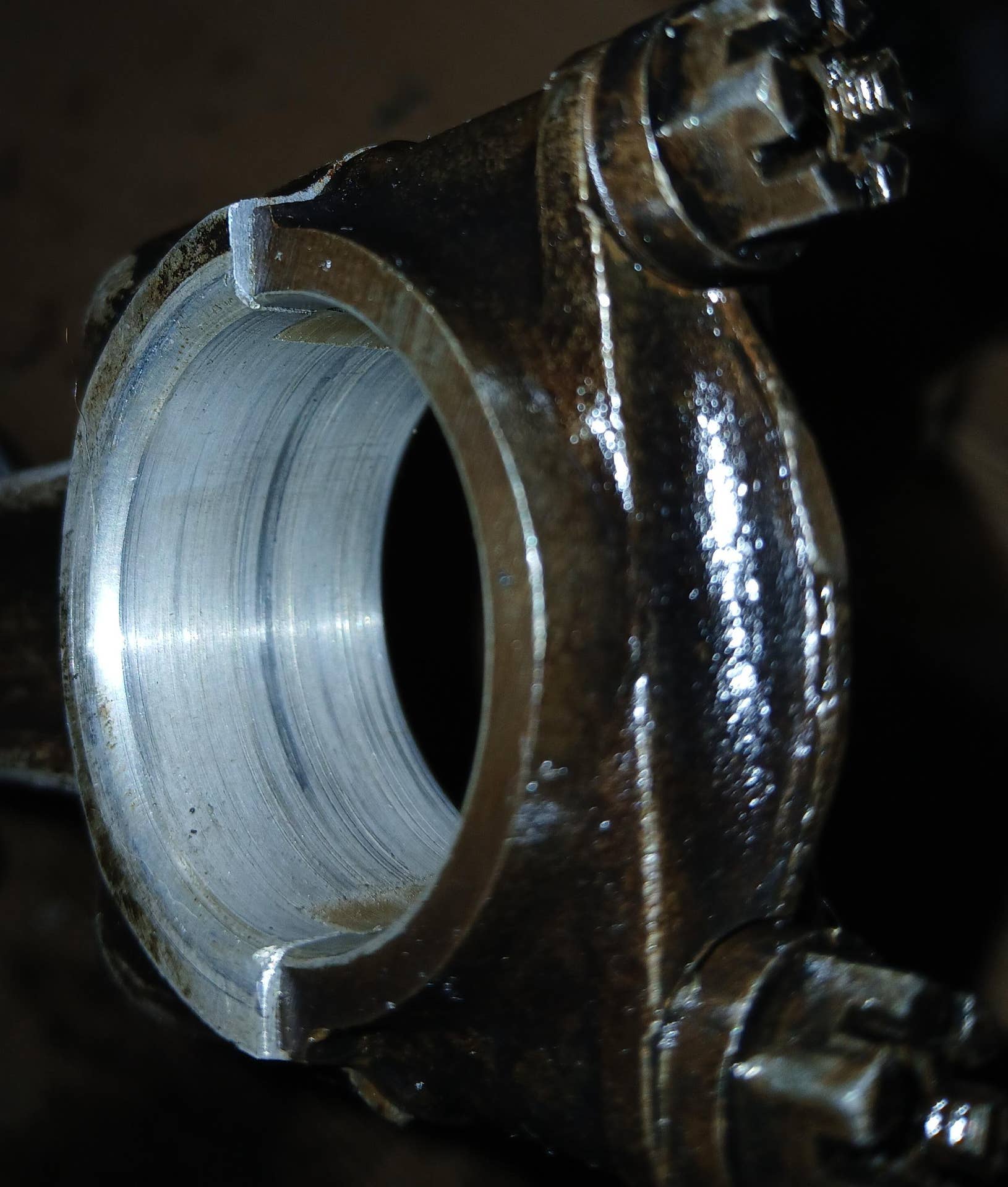
The big ends are white metal and my intention was to modernise them. After much research I decided to regrind the crankshaft to -20 on the C range unit 350/500 journal size and fit the later type shell bearings with Conrods. (The original rods are probably 70 years old so you’d be crackers to re-use them).
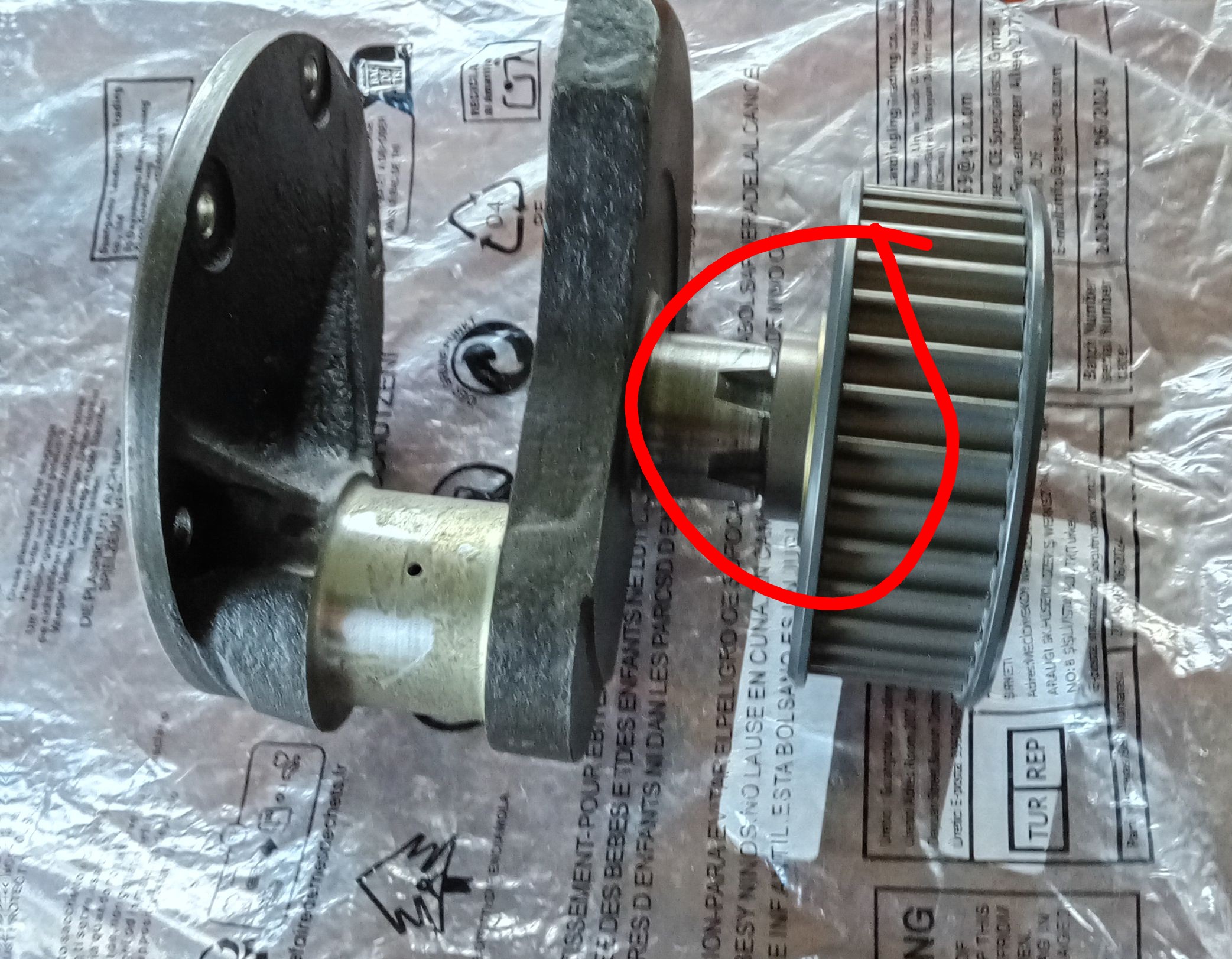
As far as the main bearings are concerned, I originally intended to fit a big bearing crankshaft. There used to be a timing side bearing available to do this in the USA. However it’s not manufactured anymore. There is an industrial bearing in the UK of to required ID & OD but it’s too narrow and wouldn’t be strong enough. So no option but to beef up the current setup. So the spec is a C3 ball bearing in the timing side and a 2 piece roller bearing of standard CN clearance on the drive side. This being clamped by the drive pulley using about 20 thou shims.
Bob Newby 4 plate dry clutch belt primary drive kit. Added quality and performance. TBH it was a no brainer, I don’t have the primary cases and the original Norton clutch is knackered.
There’s been a fare amount of asking advice and refering to er references with this as the last pre unit motor I did was a ‘57 Speed Twin about 45 years ago. Then you could just go to your local engine remanufacturer and buy all the parts.
I was thinking of getting the crankshaft dynamic balanced but I’d have had to send it the length of the country and there’s been quite a few cases recently when the crankshaft has come back looking like Swiss cheese and still not been balanced properly.
My balance was checked when set up and indexed on the Prince grinding machine and found to be ok from the factory. (It was on std before grinding).
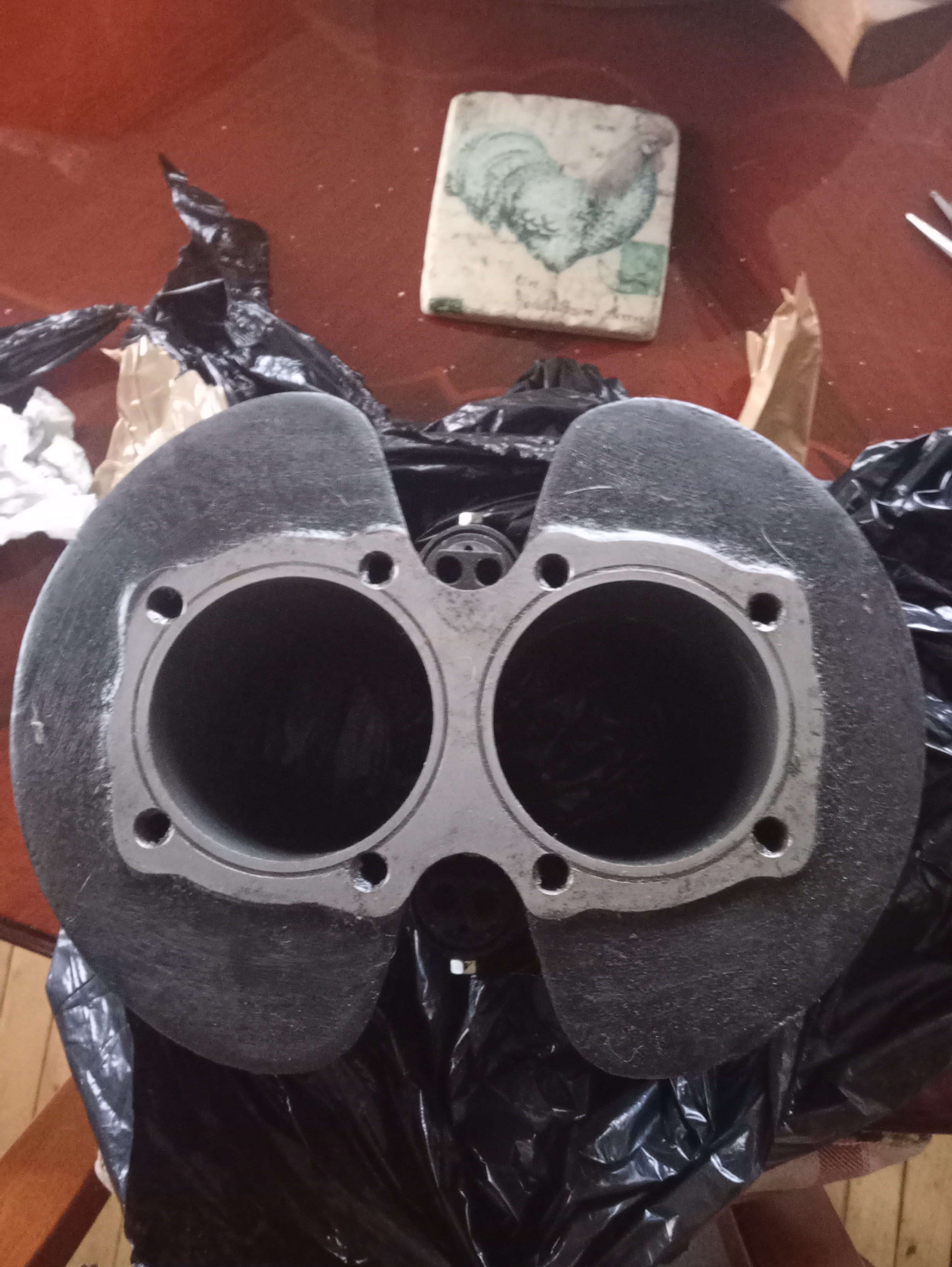
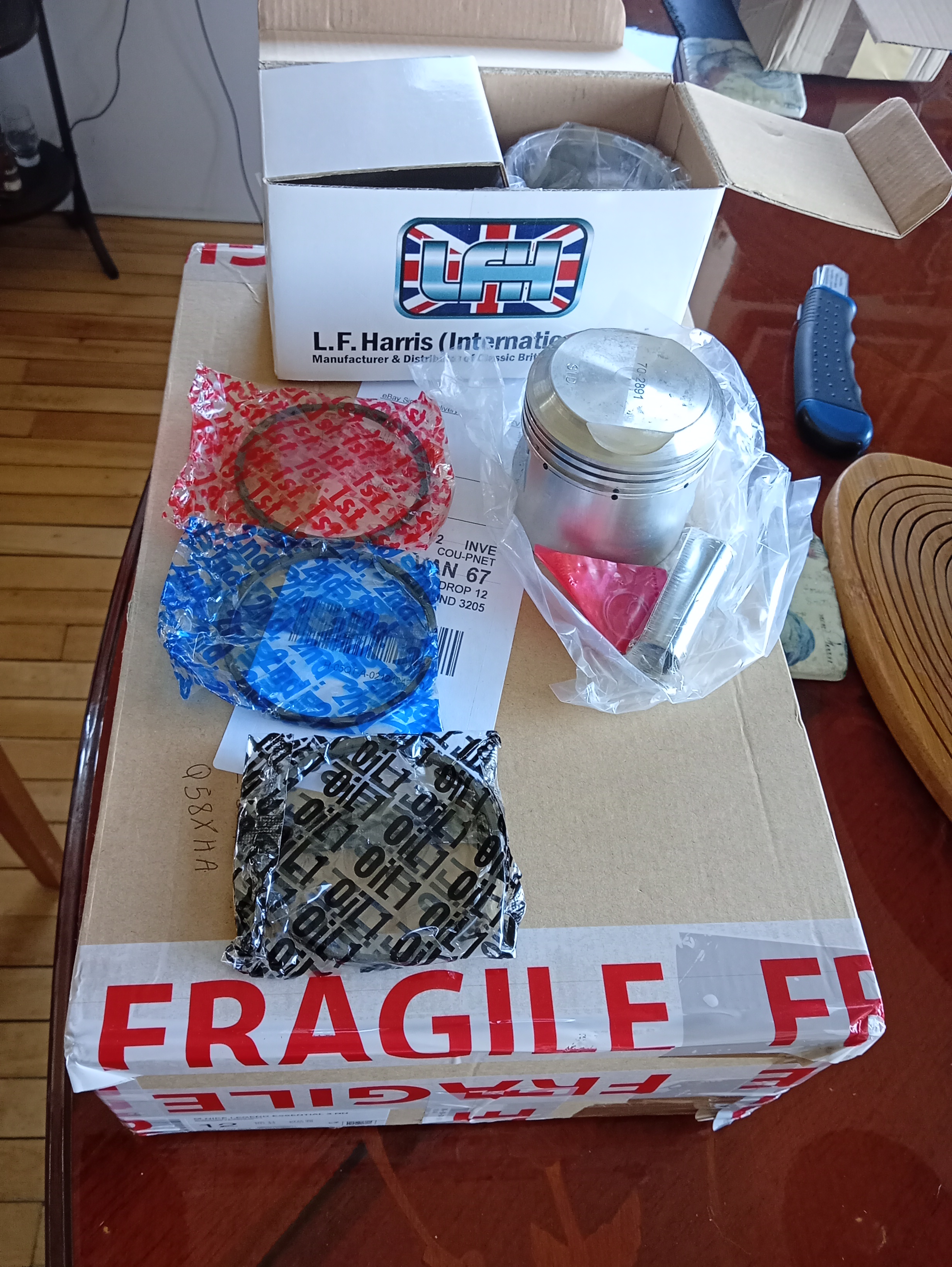
The barrels are on +40 and would go again with a light hone. Although you can get +60 pistons I’m told you would start to get problems with an 8 stud barrel. Anyway I found a set of barrels re-lined to standard and took a punt.
The lined barrels. Look pretty good but I will take them to my machinist to have good measure and check over before I commit to using them. Whether I do or not I’ll be using standard so..
Cheers @DCS222 I’m not a rocket scientist. But when the nominal value of these machines are maybe 6 or 7 thousand pounds, you can’t pay that just to build the motor.
Anyway, that’s about where I’m up to so I’ll get back on once I’ve had chance to get down to Inverness to get the barrels checked out.
One thing you can’t do, is buying a second hand motor and expect it to be sound. This engine had many bodges that would have rendered it somewhere between unreliable and catastrophic!
Ethanol has a higher octane than petrol so increased the rating when added. And some modern Triumph twins have compression ratios of 12:1 and run on standard pump fuel with ethanol in, so I don’t think the presence of ethanol should affect compression ratio decisions. Other reasons to not want ethanol of course.