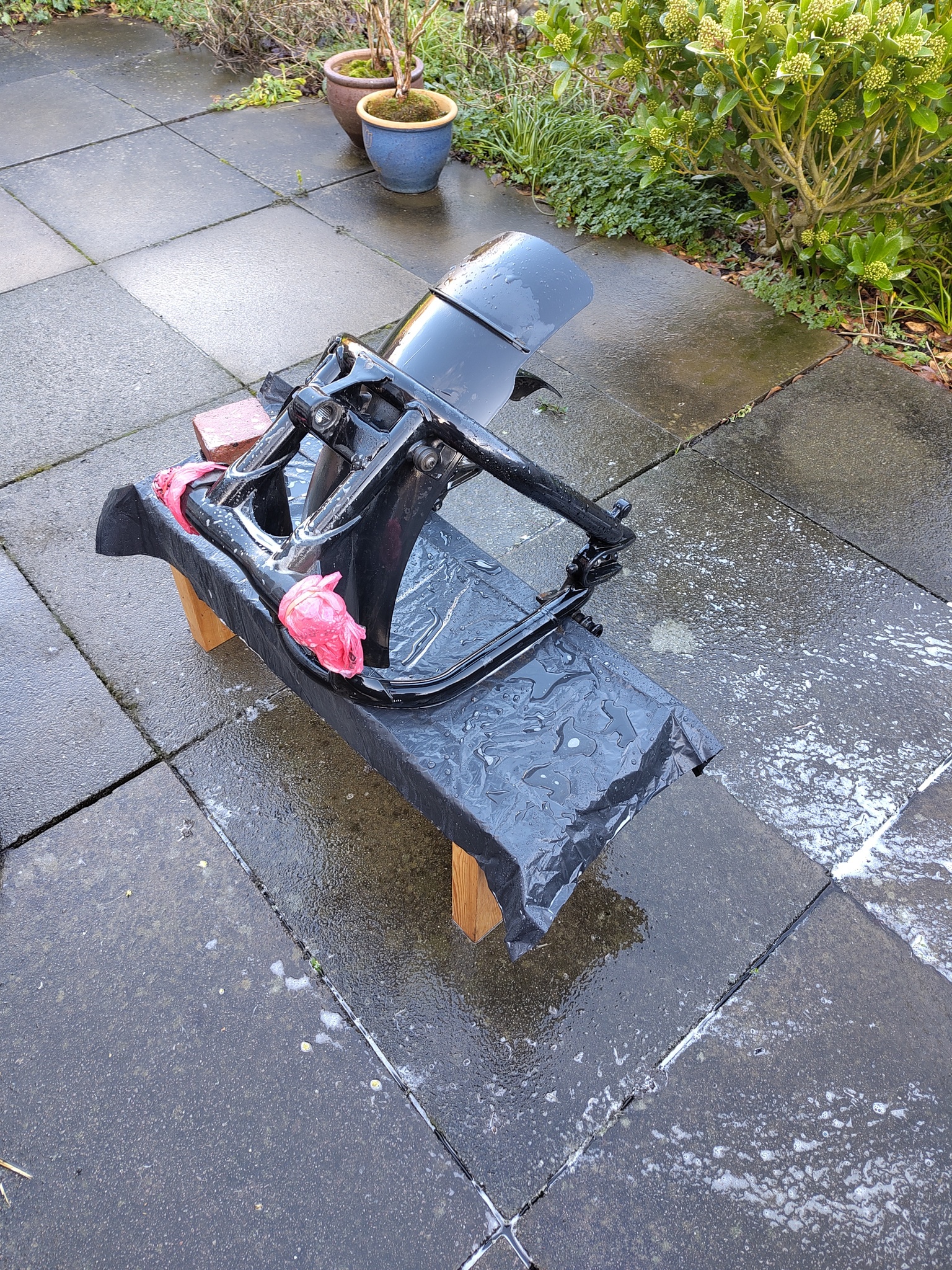
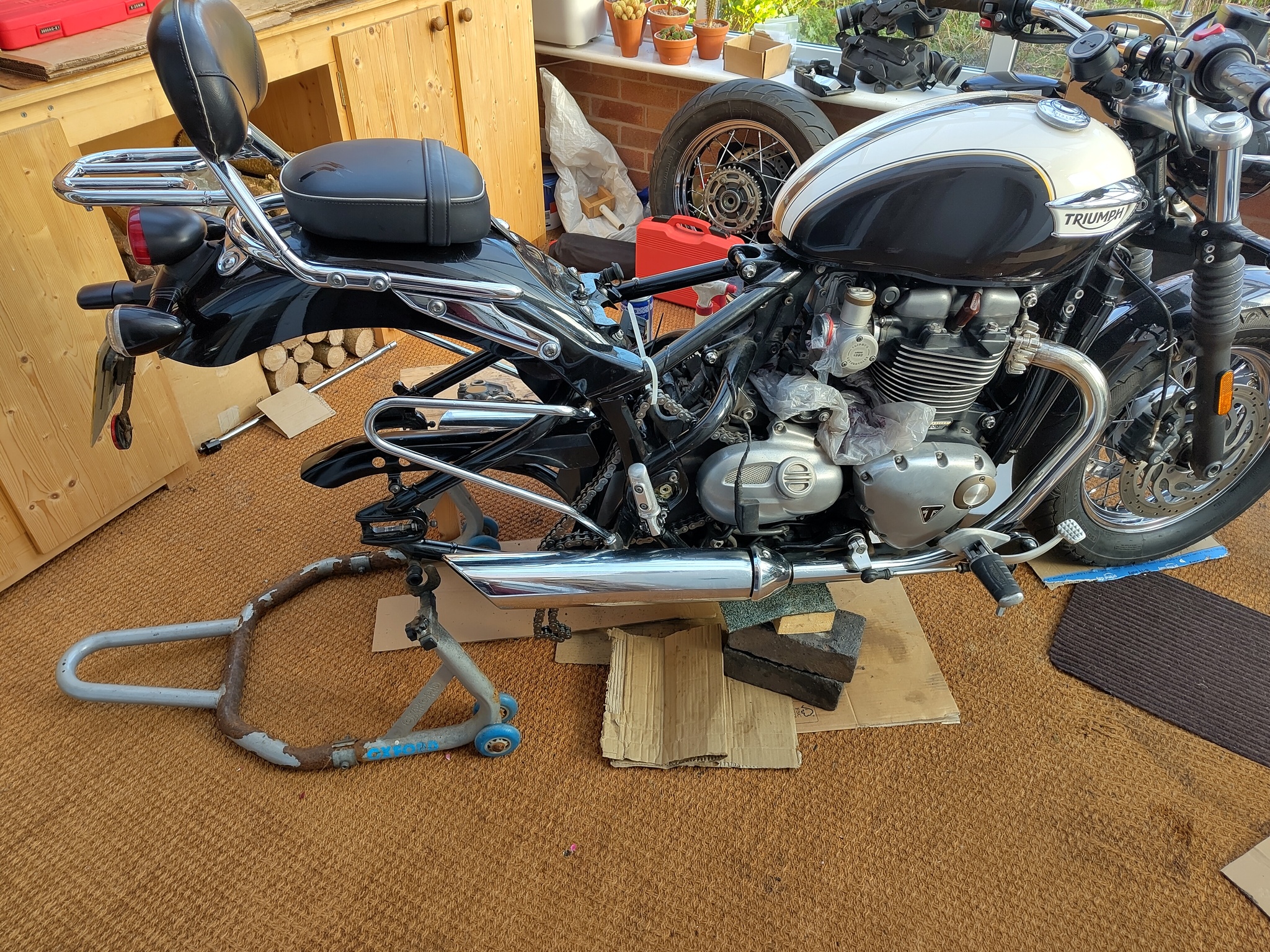
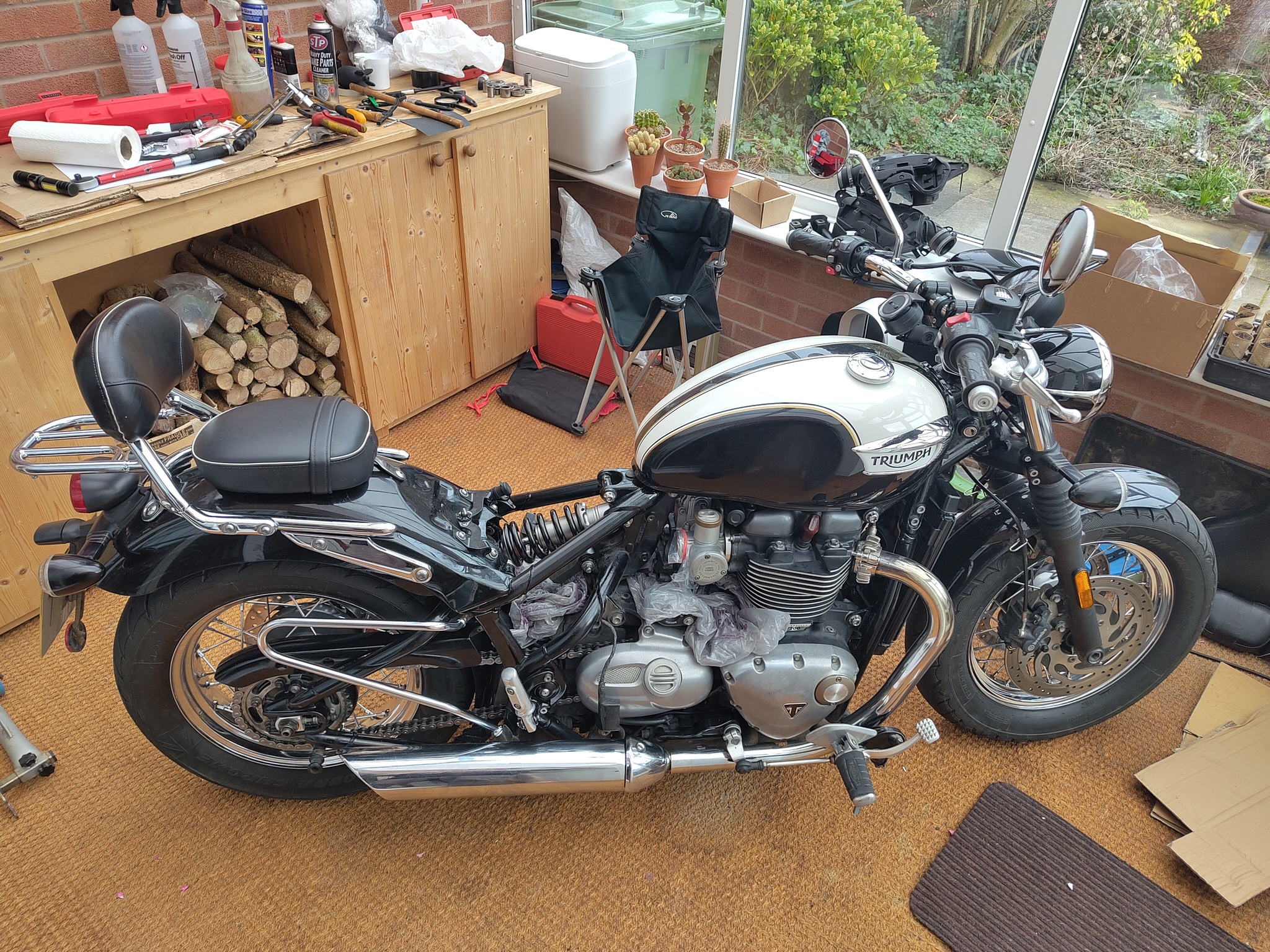
As my marathon servicing episode is about to turn into a marathon rear suspension and swingarm overhaul I thought it best to start a thread on that topic.
Day Six
On day 5 of my servicing I removed the airboxes to get access to the rear suspension linkage intending to at least clean and lube it, but today I decided that after nearly 80,000 miles it needed to come apart for a thorough examination and probably bearing replacement.
First thing to do was to clean all the muck off to get good contact with bolts, but not before stuffing several plastic carrier bags under the linkage to protect all the sensitive electronics underneath it.
Bike was currently supported by bricks under the front of engine and a paddock stand at the rear. So before I could disconnect the rear suspension I had to move the bike’s weight to the front wheel by moving the bricks to the rear of the engine. Making sure that the support was still just in front of the oil filer to about damaging it.
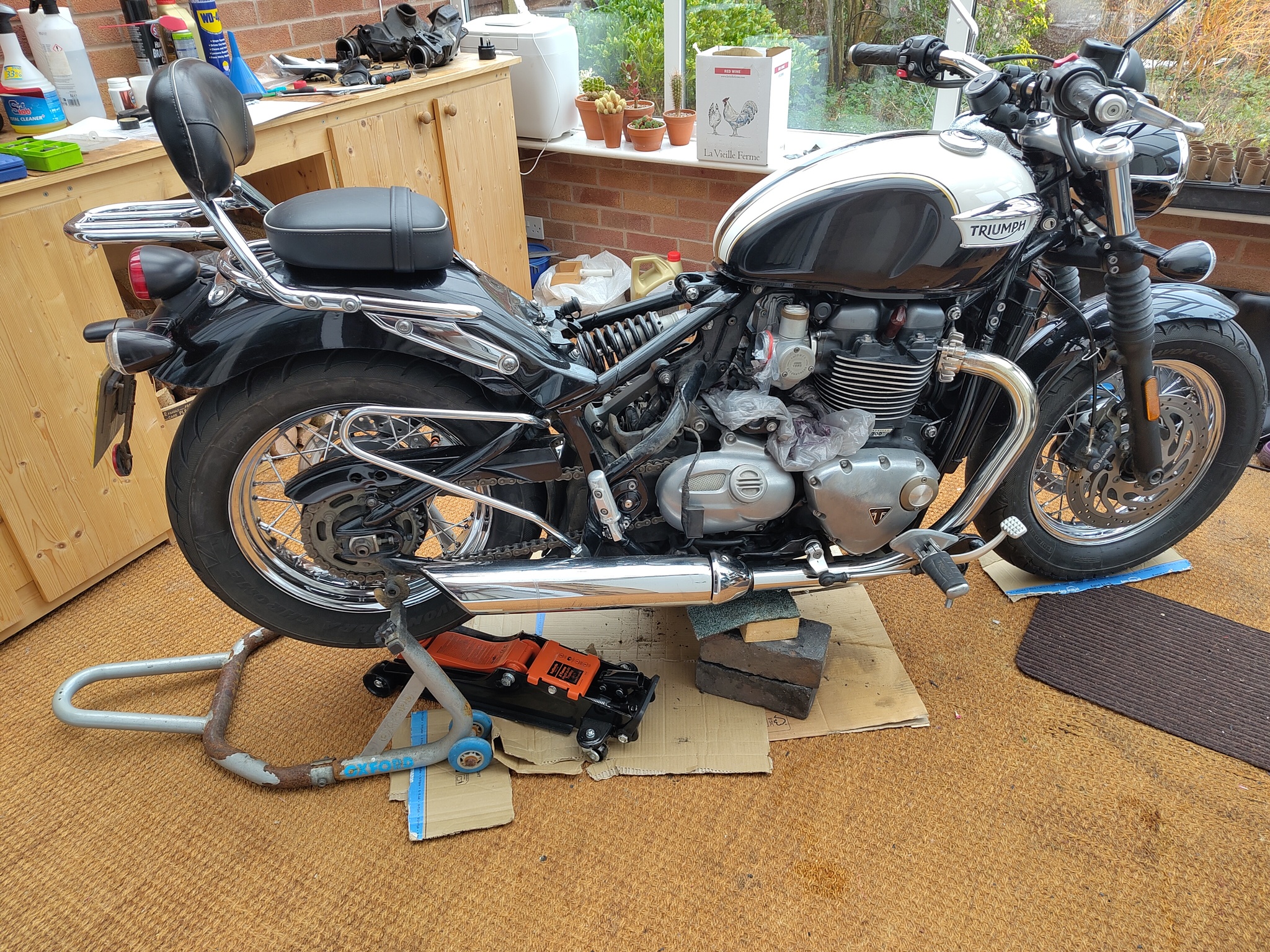
Whilst bike weight was on front wheel I kept the paddock stand at the rear so it could later take the weight of the rear when the suspension was disconnected. This is vital because if the rear swingarm is allowed to drop the first thing it hits is the ECU! (I suspect that this accidentally happening on previous bike work lead ultimately to my ECU failure.)
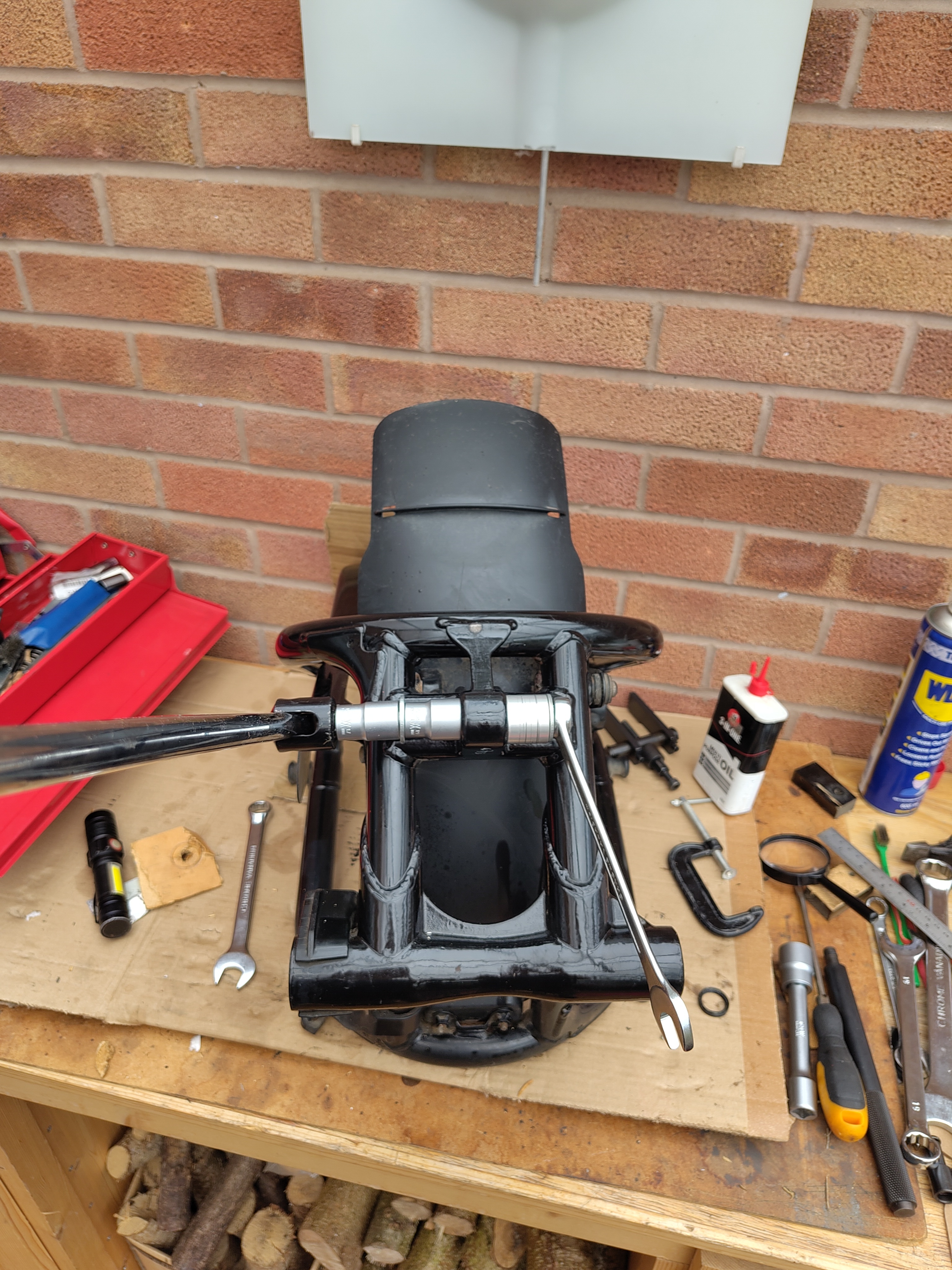
Now to start disconnecting things. First thing to do is loosen the bolts on the suspension linkage where the rear shock and the swingarm connect, then completely remove the nut from the shock’s bolt. Even with the airboxes removed there is very little space to turn nuts because of the rear mudguard.
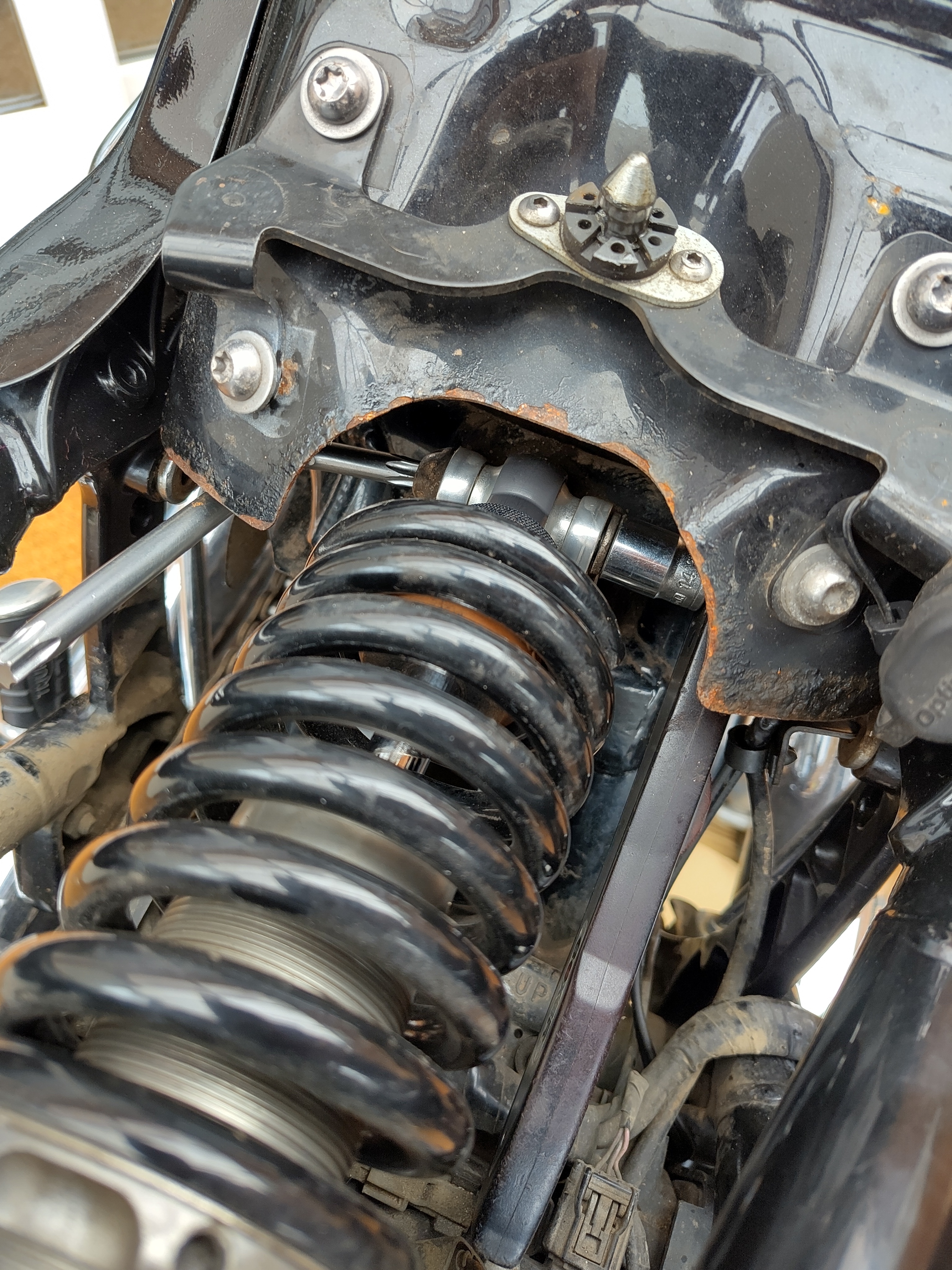
The weight of the rear is still being held by that shock’s bolt and the trick is to use one hand to gently pull on it whilst using the other to very slowly raise a jack under the rear tyre until it gets to the point where the is no weight on the bolt and it freely slides out. Simples. 
Now the previously loosened bolt where the swingarm connects can be removed and the jack under the rear tyre released to let the rear rest of the paddock stand. As previously noted, the paddock stand needs to be close enough that it doesn’t let the swingarm hit the ECU!
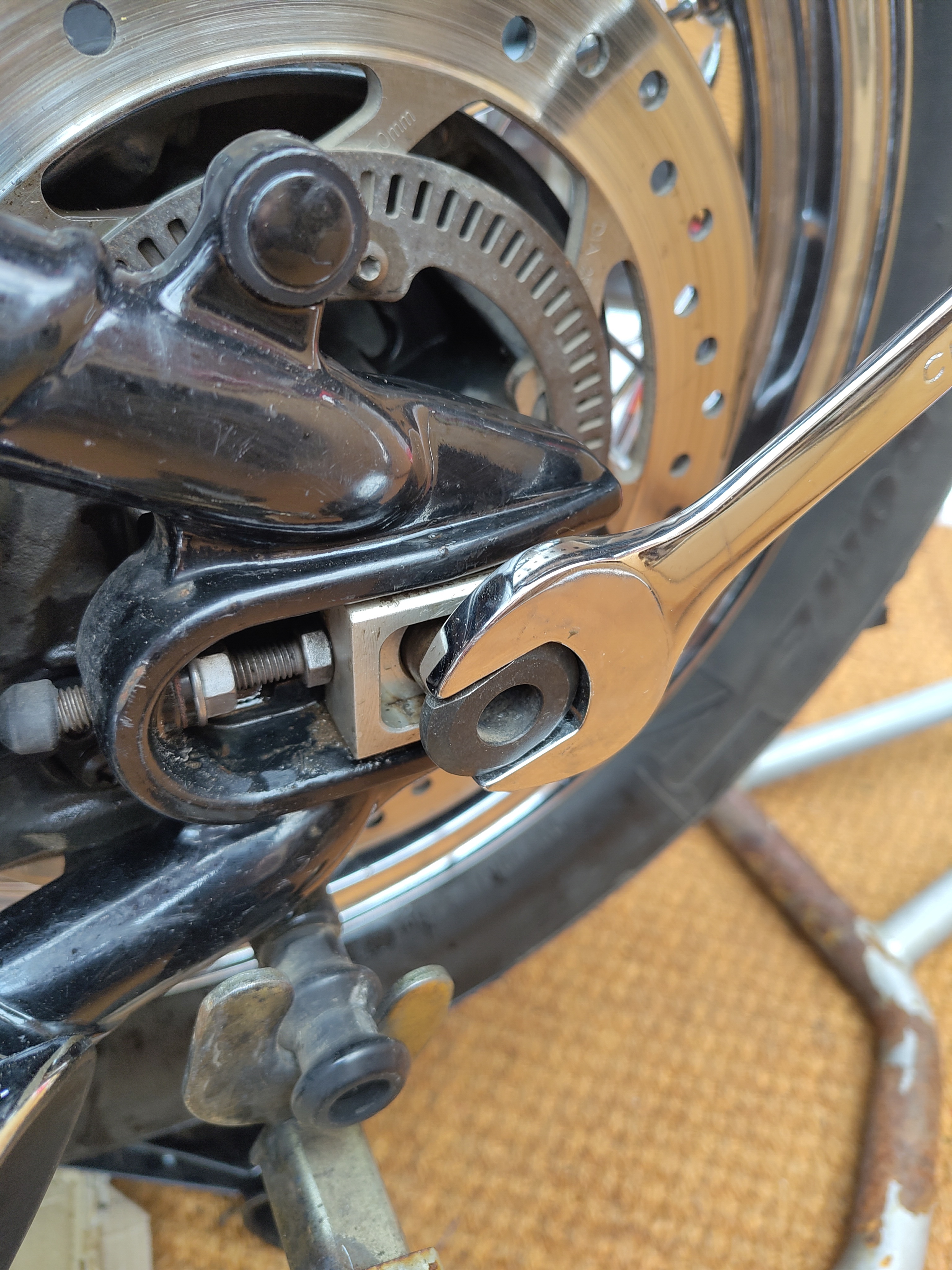
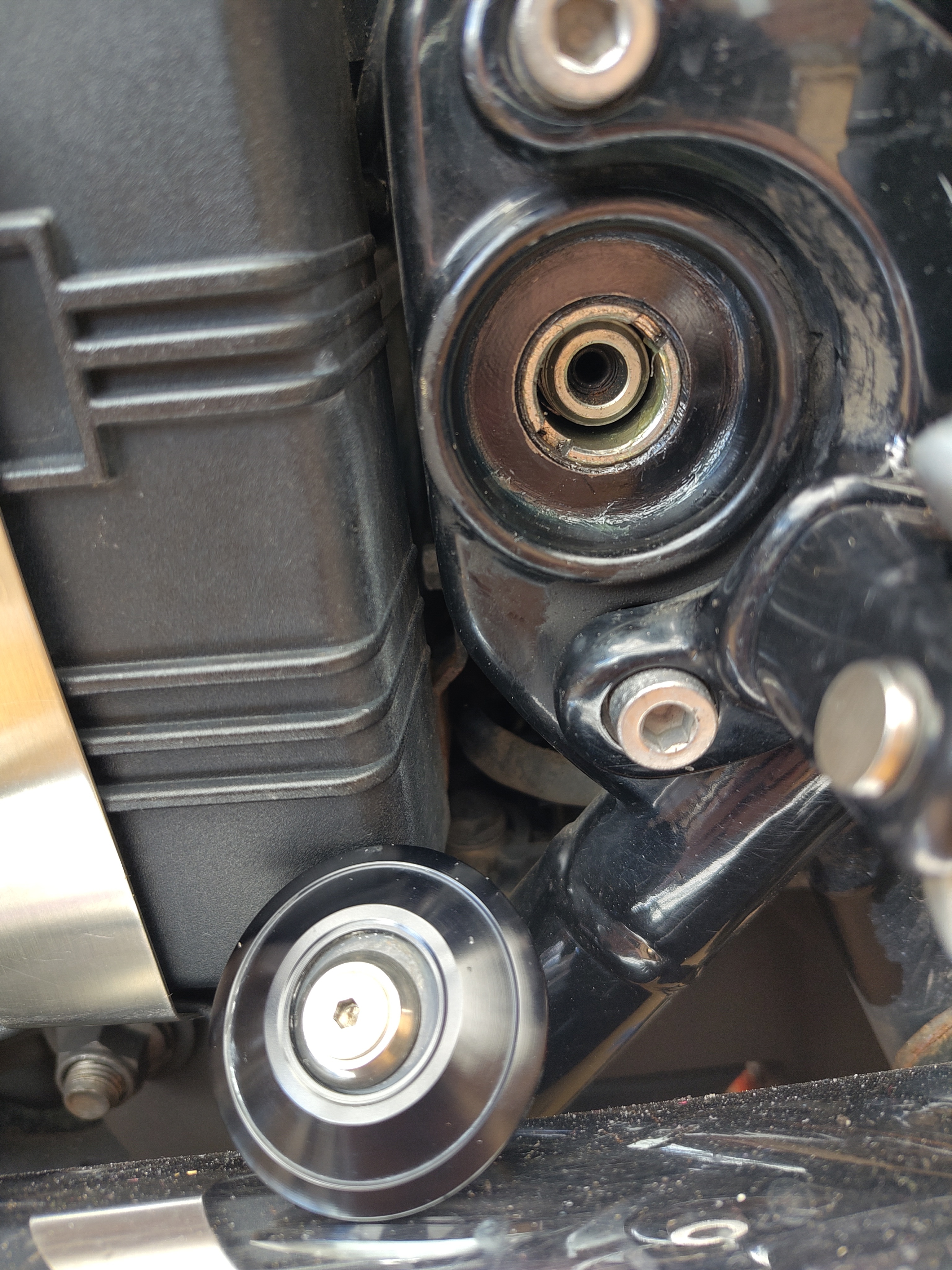
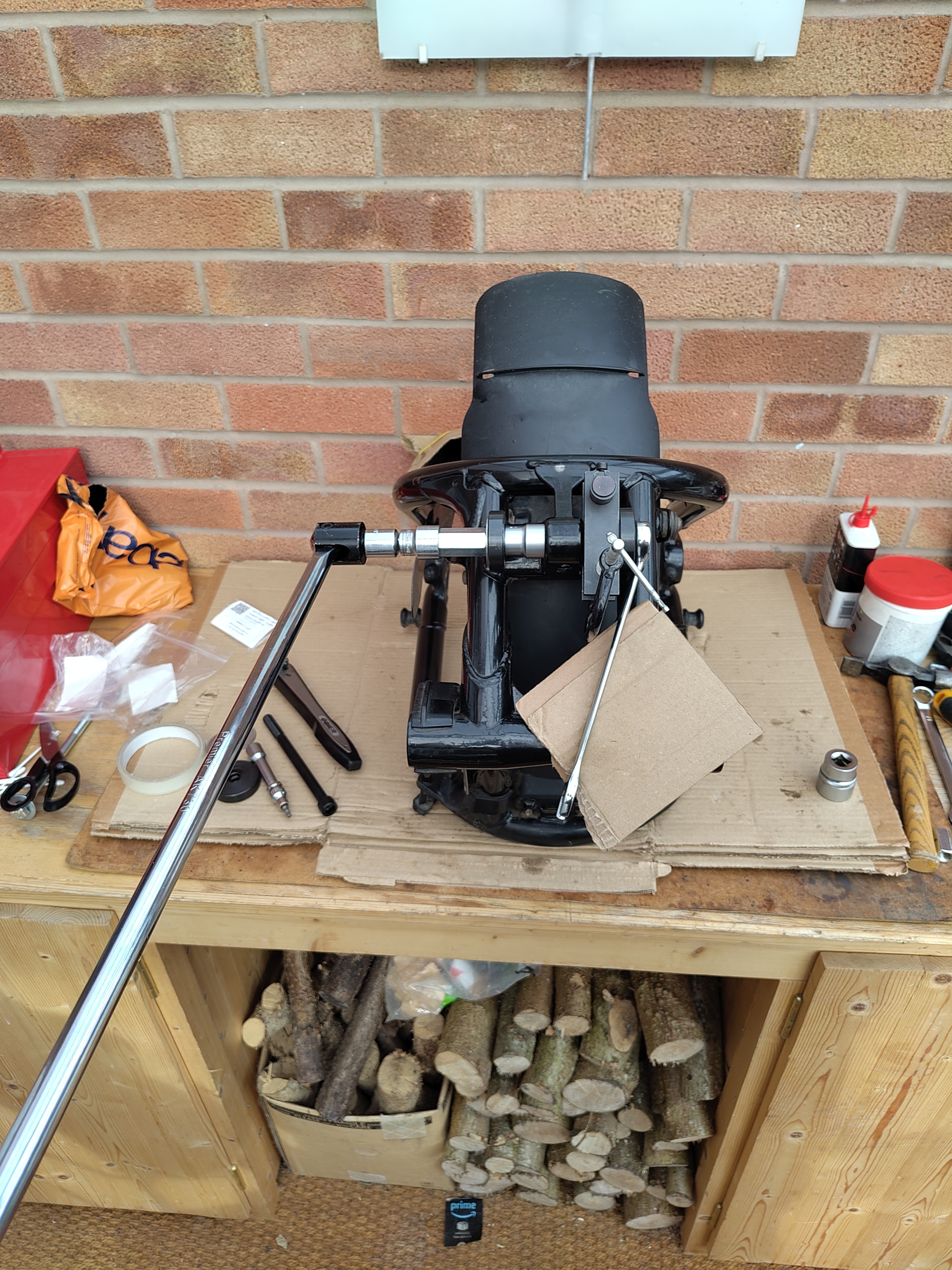
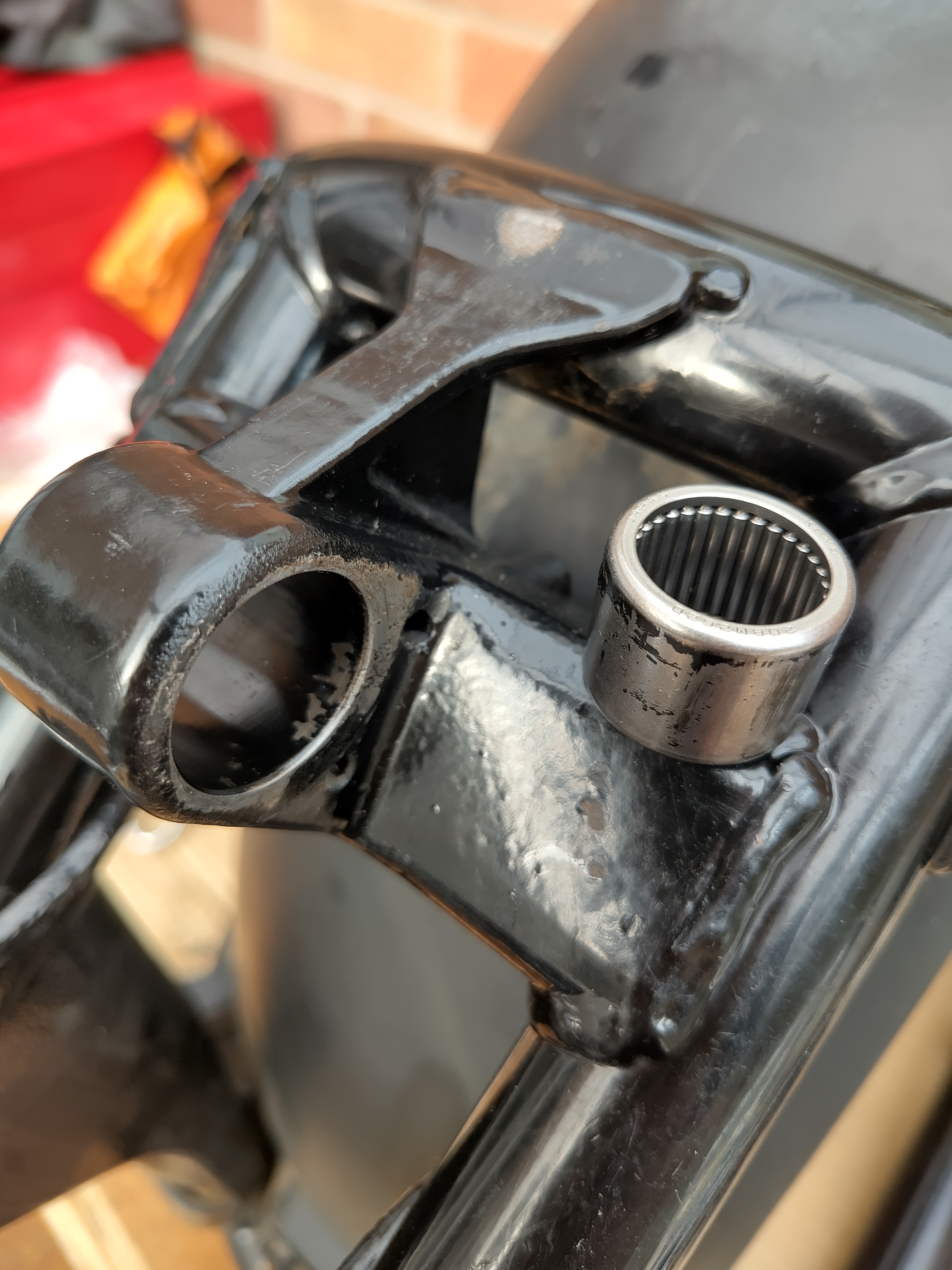
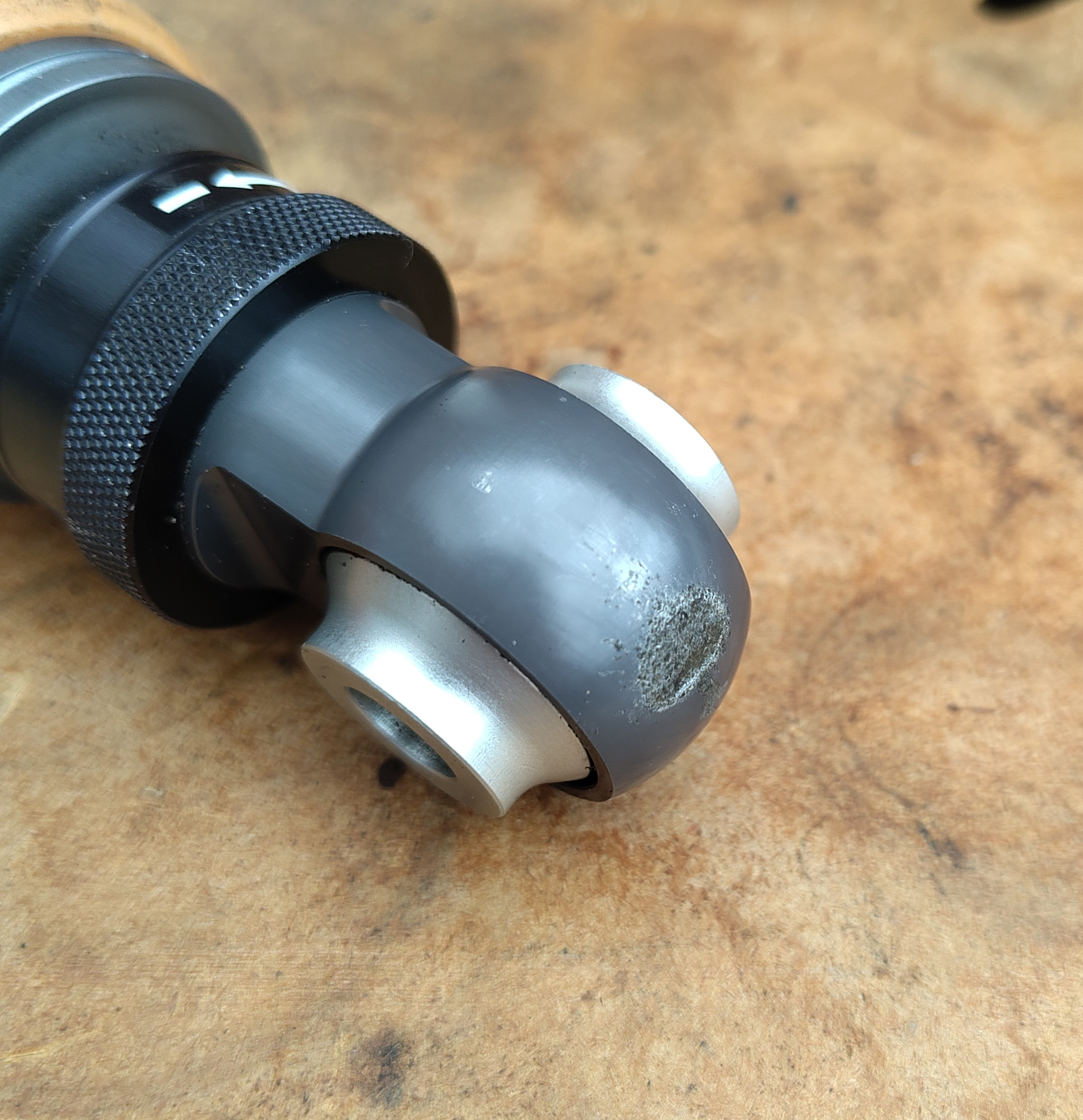
Other bolts in the suspension linkage can now be removed but note that bolts that go through the frame sit inside ‘frame adjusters’. That’s the metal insert with the slot in the end around the bolt in this picture.
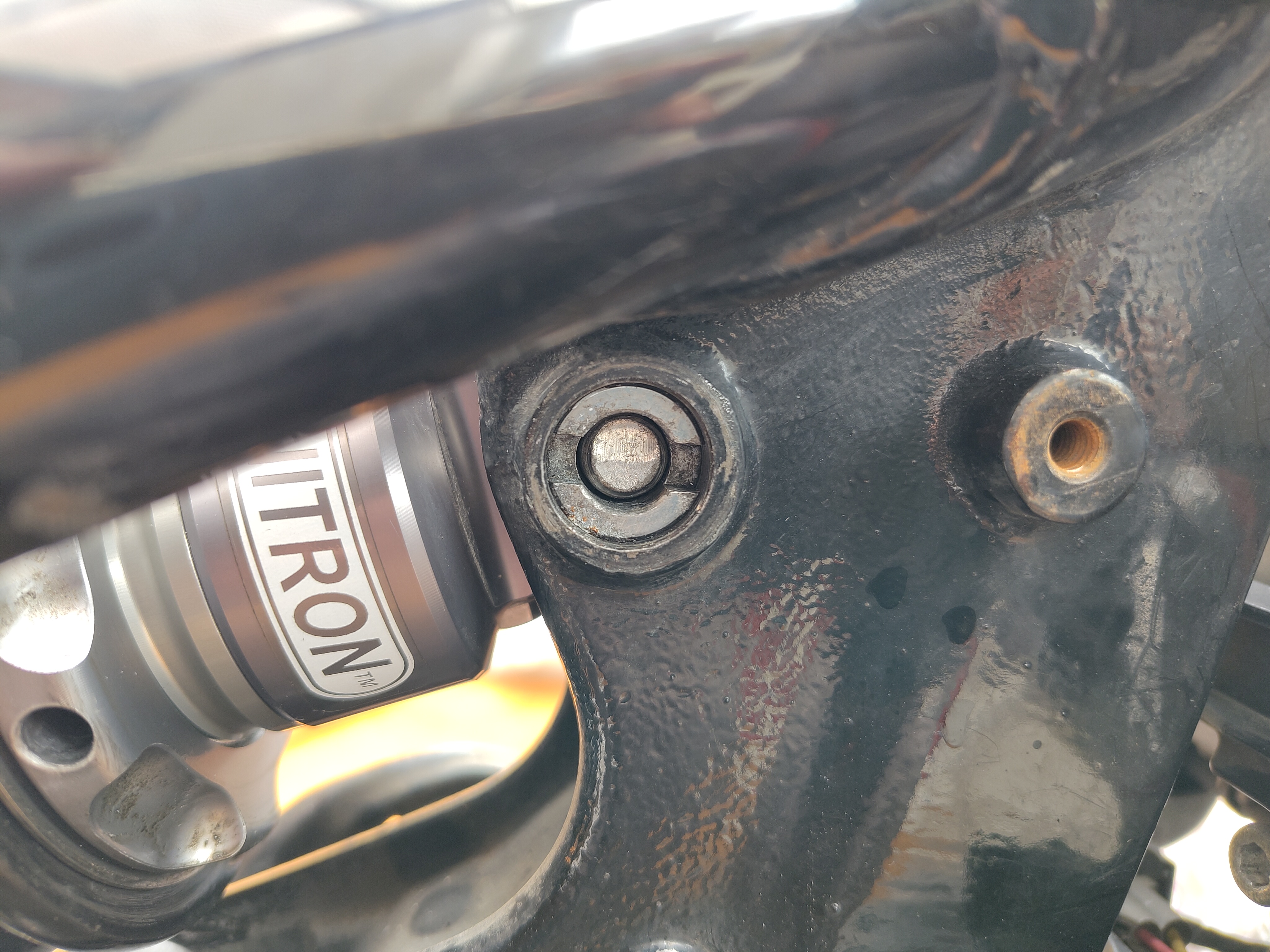
These frame adjusters are tubes threaded into the frame and the idea is that they are tightened up enough to remove the gap to the item being bolted to the frame. Without these, tightening up bolts would compress and bend frame around the mounts, not good.
To remove bolts that use these frame adjusters, you push the bolt far enough through to get access to the slot in the adjuster, then unscrew the adjuster a turn or two. This opens up the gap and lets the bolted item drop down onto the bolt, which can the be removed when required.
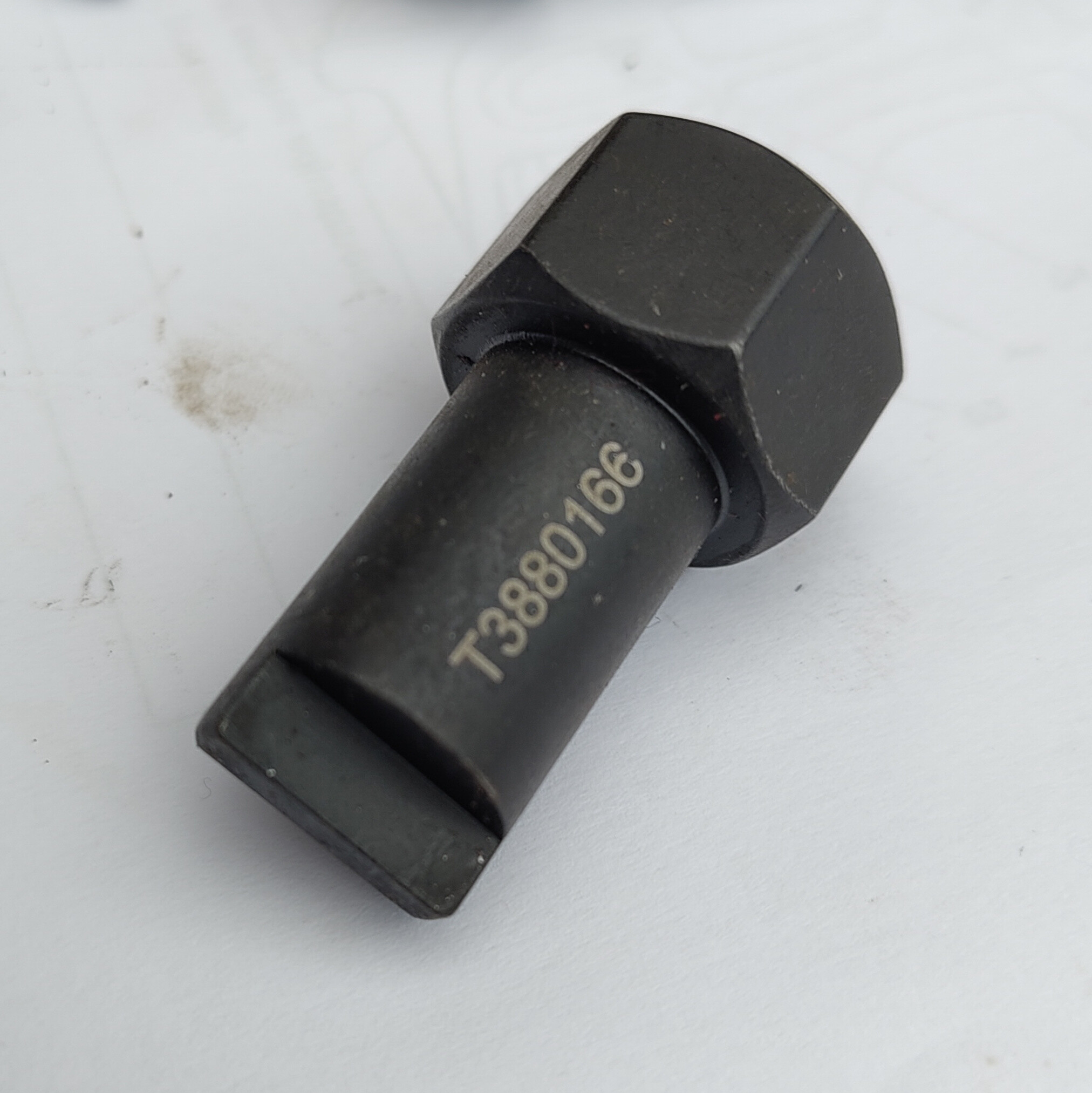
You could improvise something to turn the adjusters but when it came to the second time I needed to do this I bought the official Triumph service tool.
Once all parts were out I put them through the parts washer, also know as the kitchen sink.
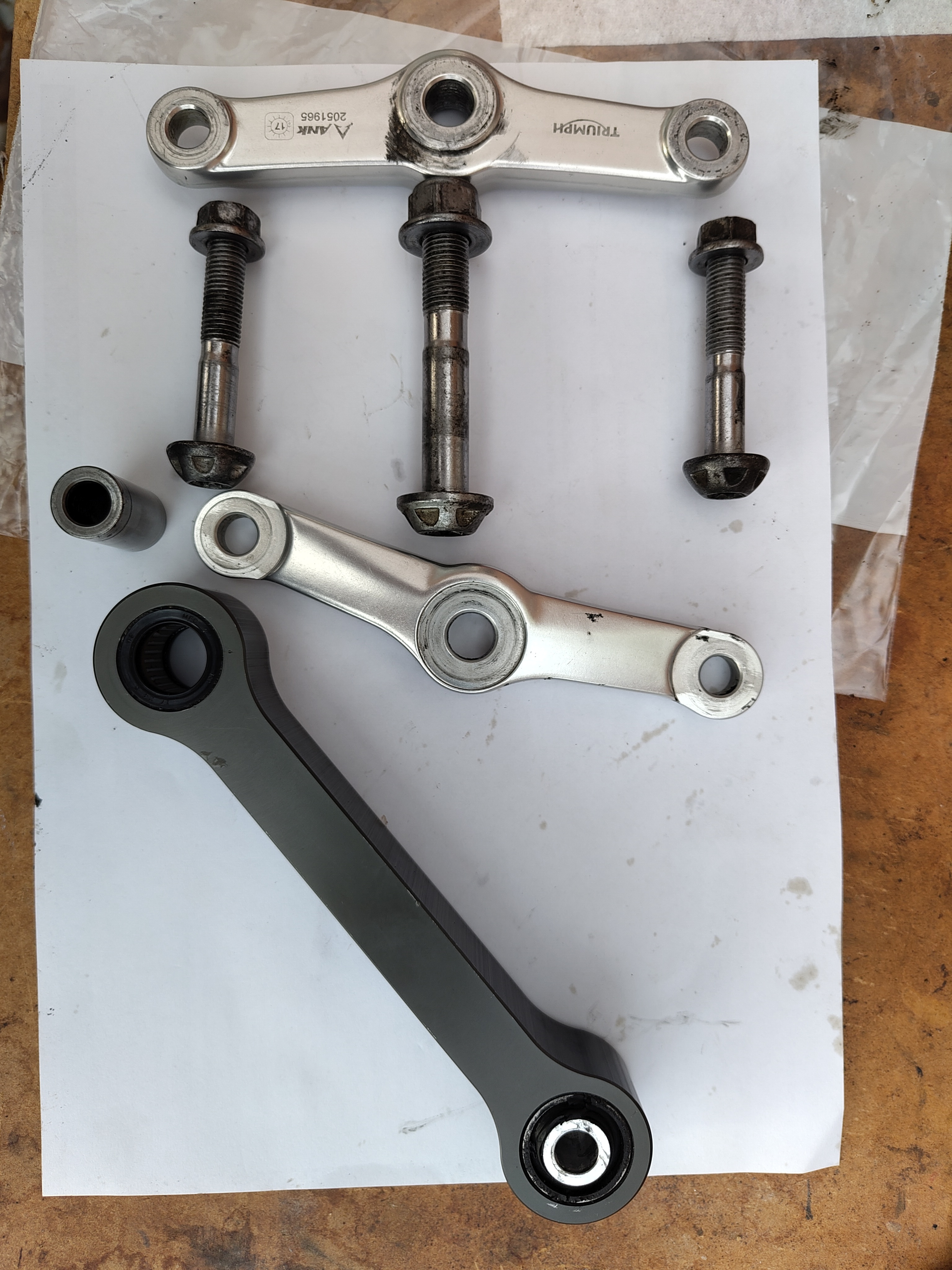
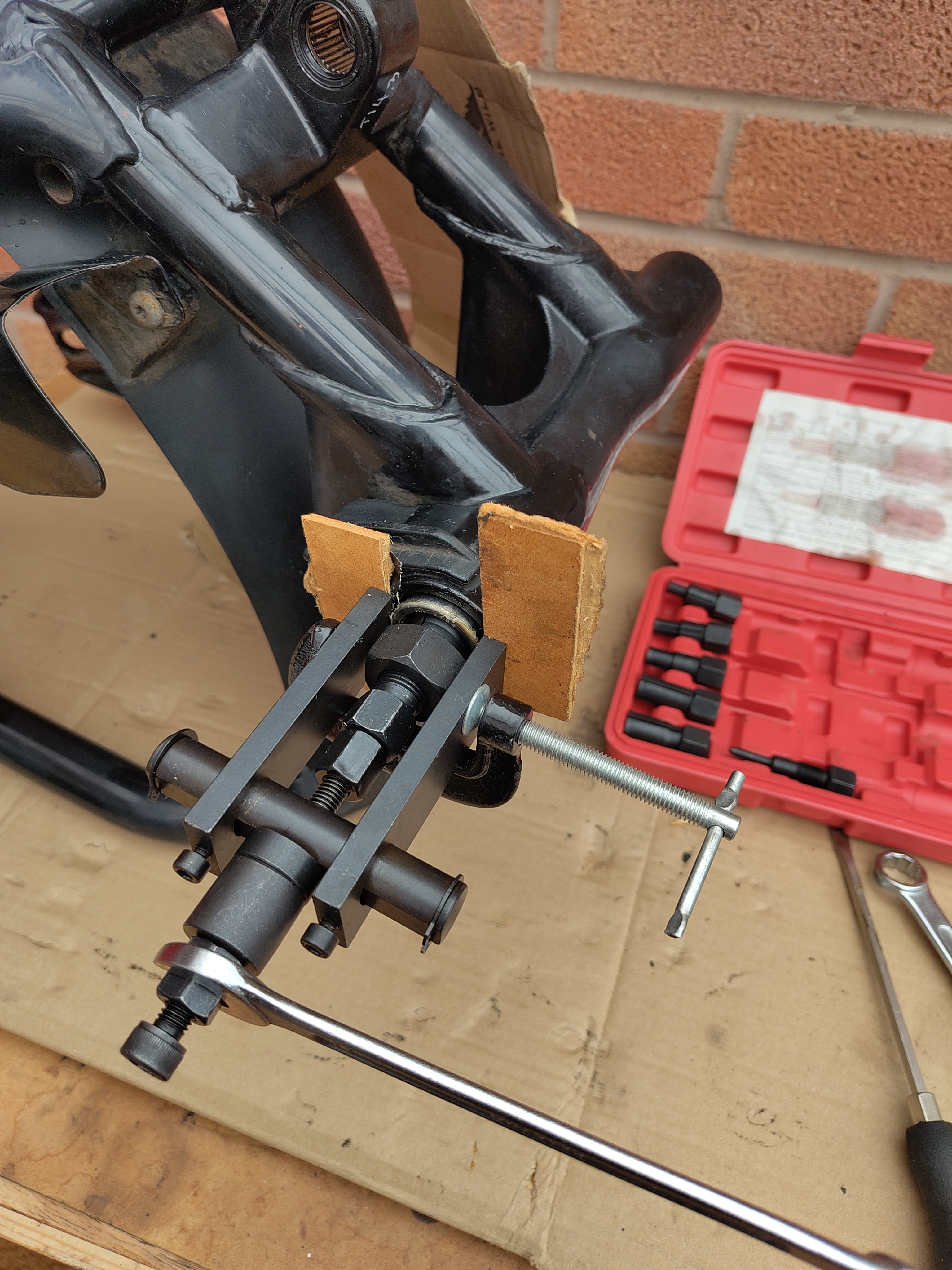
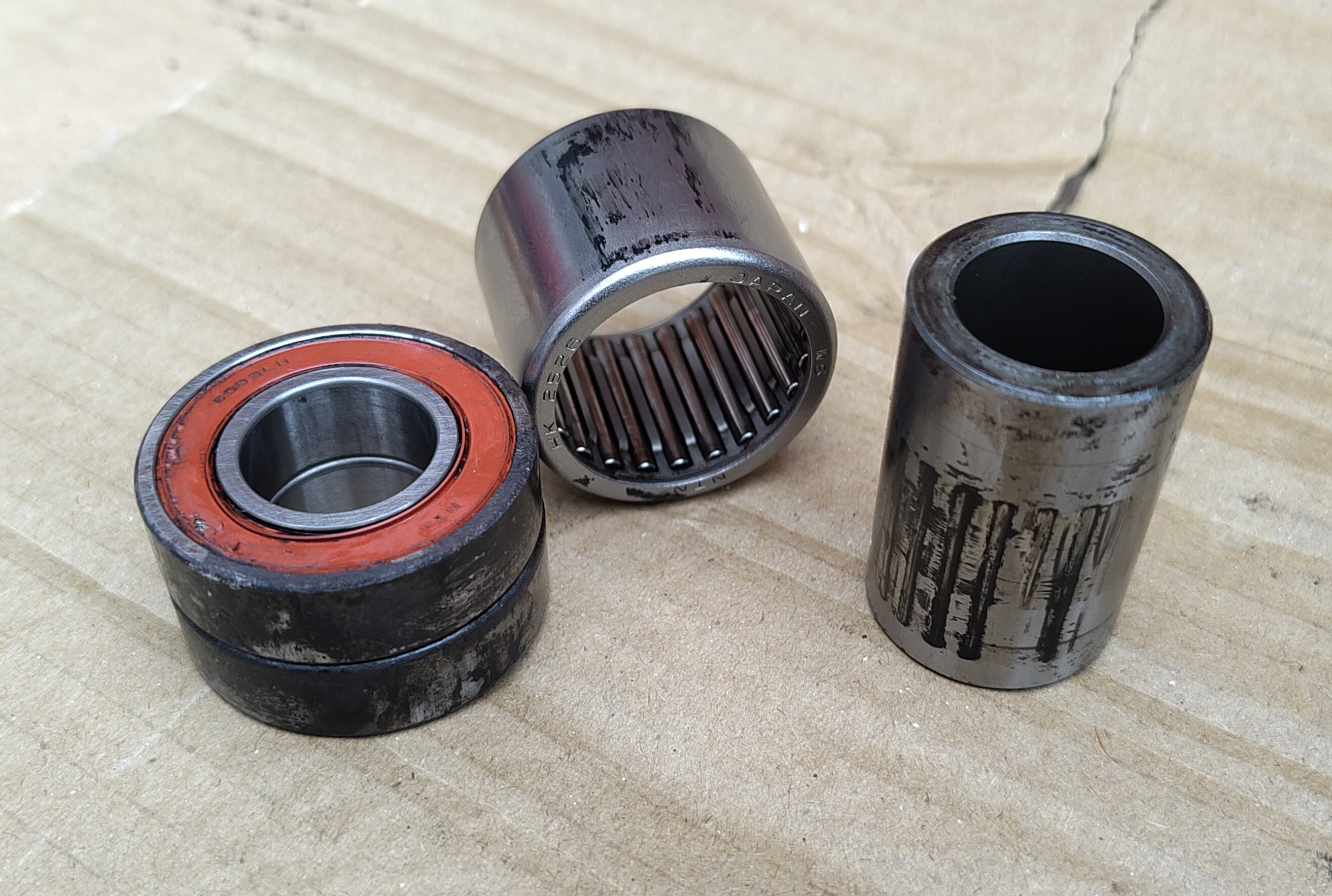
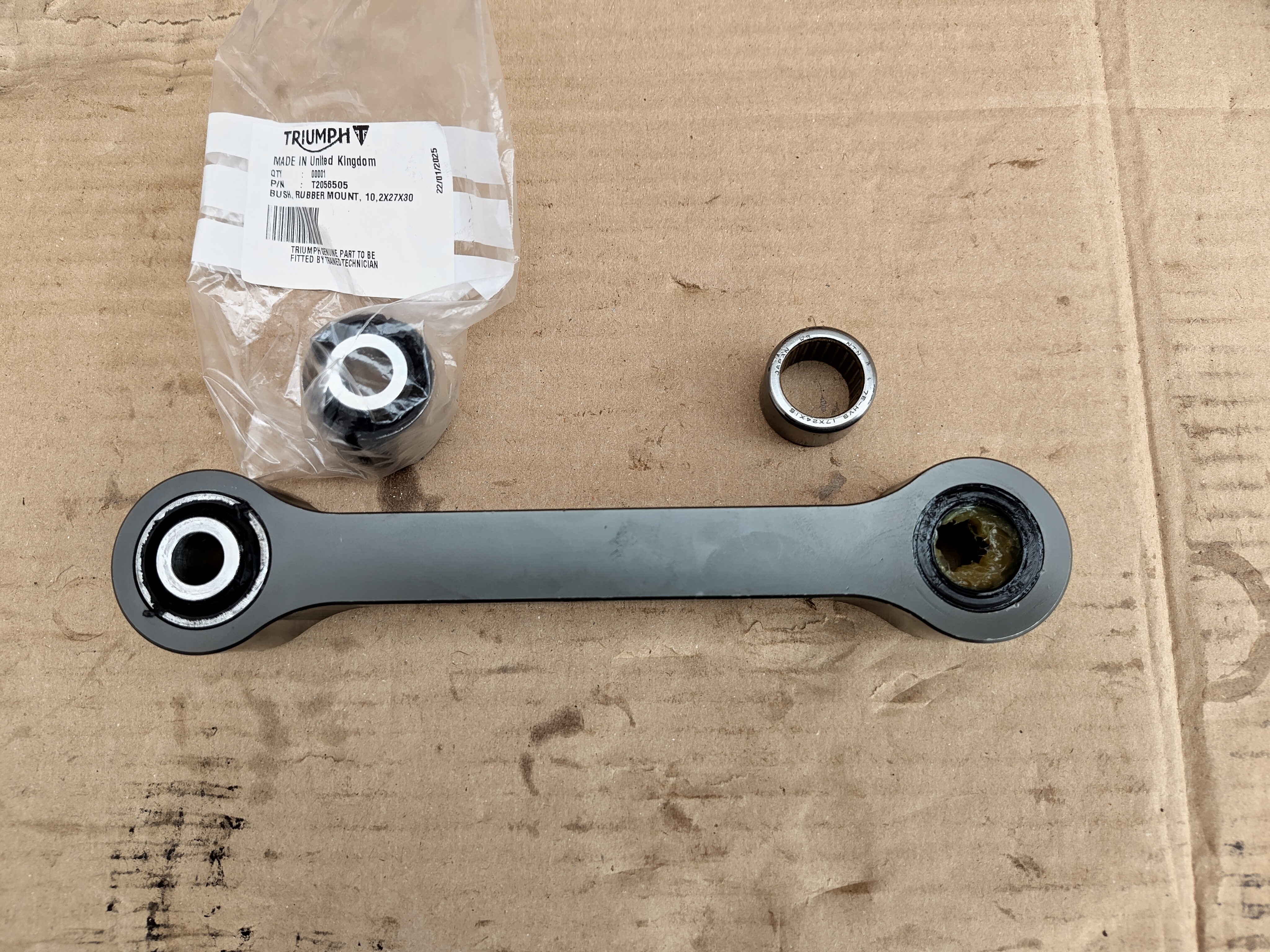
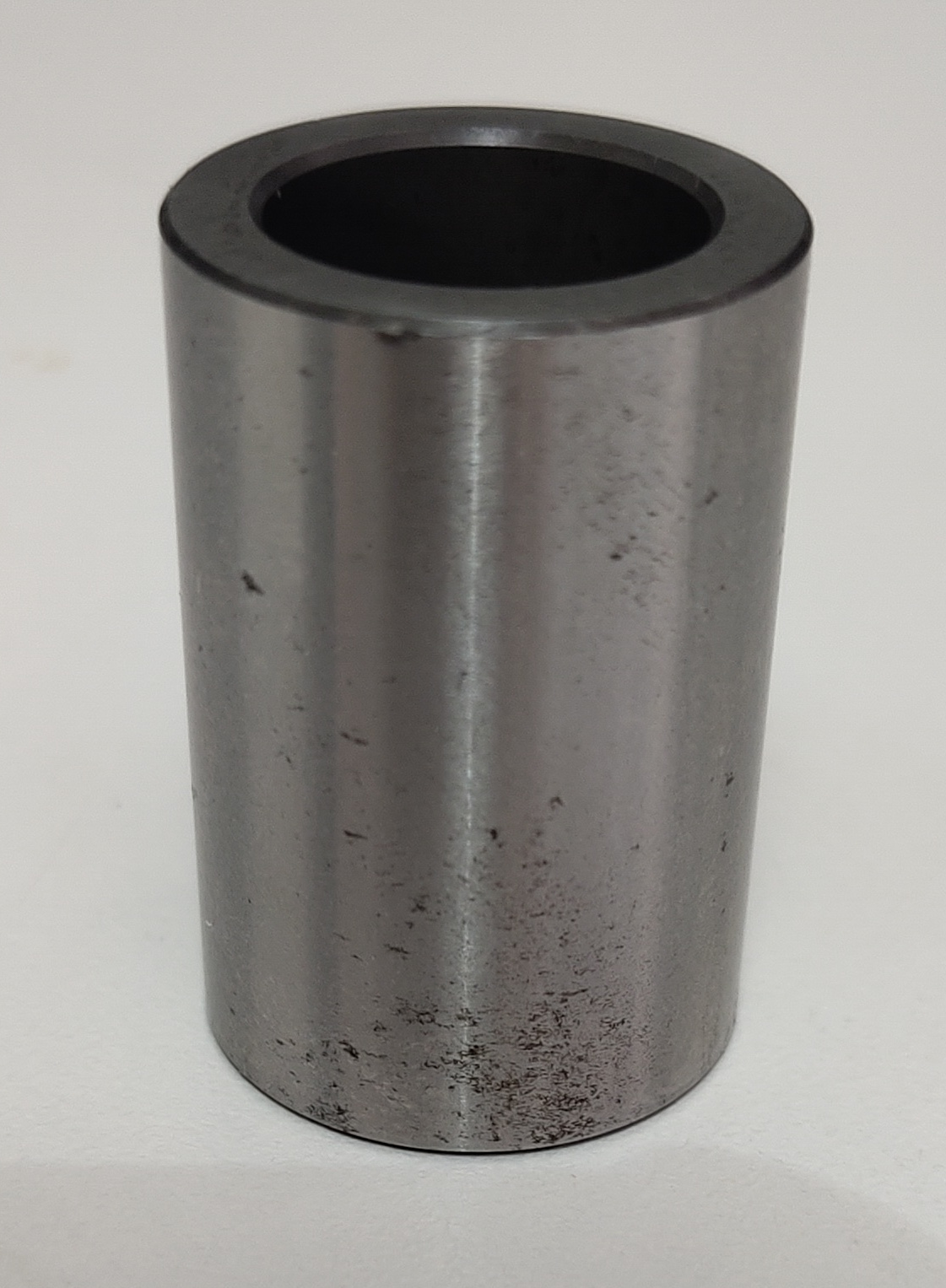
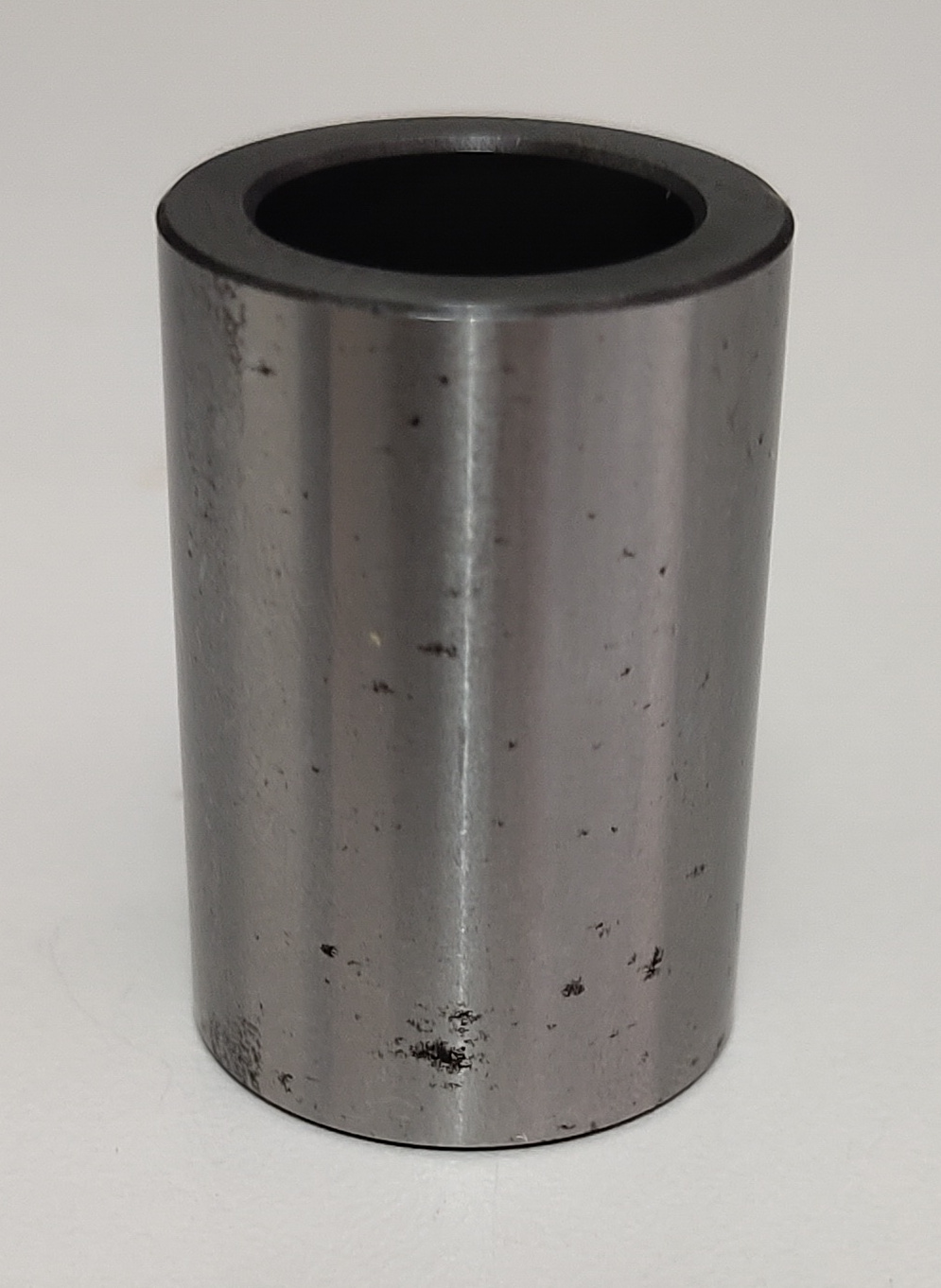
When some of the bolts were still connected a wiggle test showed a little slack in the bearings and a look after the clean showed a small spot of the plastic needle roller support broken away. (As well as the expected groove on the ‘ground sleeve’ that goes through it, which is cause by grit at the seal lip).
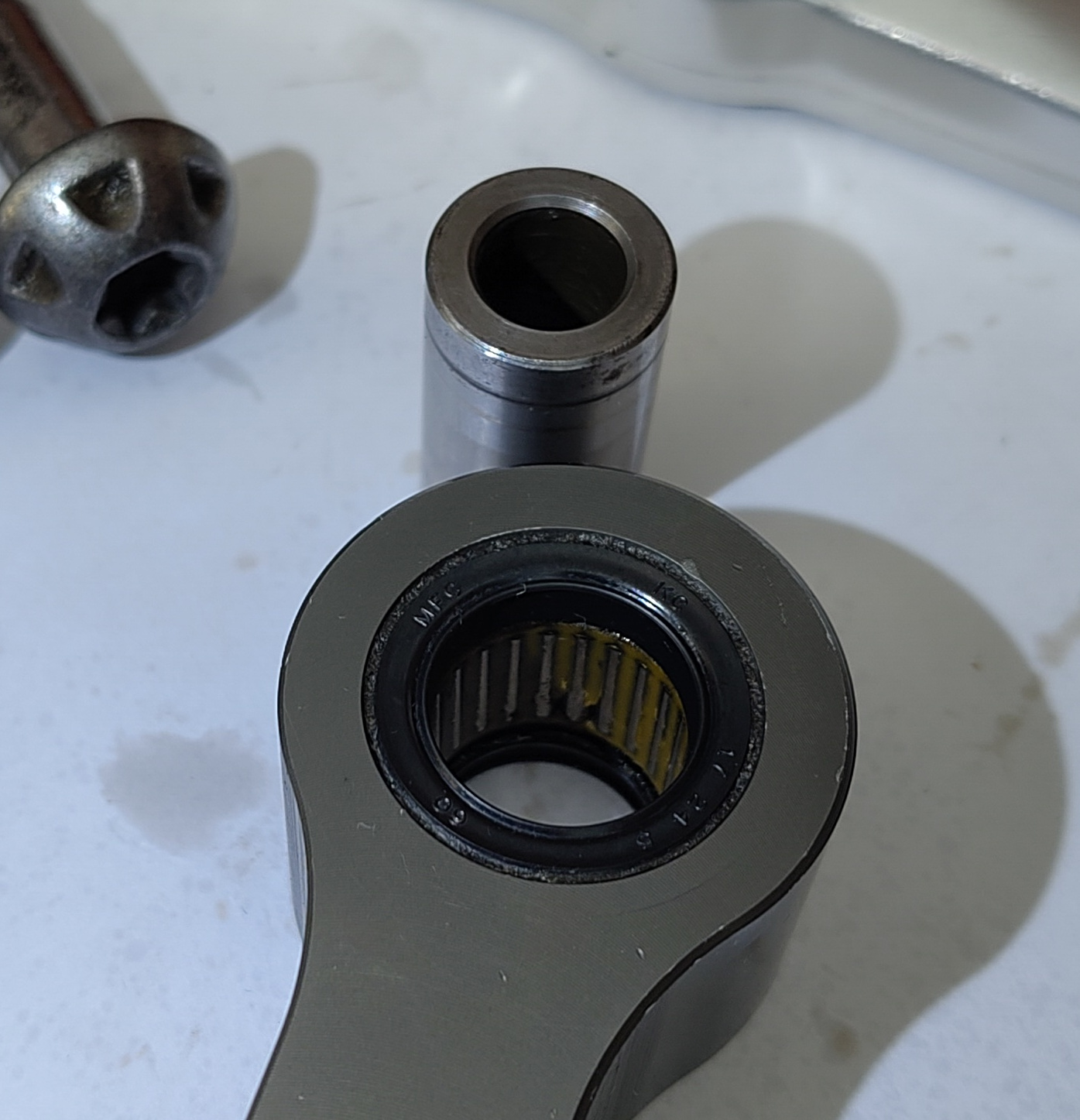
This was the point where I decided that I ought to replace everything, and also do all the swingarm bearings. The bike has done nearly 80,000 miles and these are the only original bearings left, apart for those in the bowels of the engine.
So to end the day I went to Fowlers parts and ordering all the bearings, ground sleeves, seals and spacers I would need to replace, for the princely sum of £165.38.  One of the bearings was £25 and a similar part on Simply bearings was a third of that, but I want to make sure I’ve got the right size and type of bearing, and I don’t want to remove old bearings to measure until I know I have replacements ready to fit.



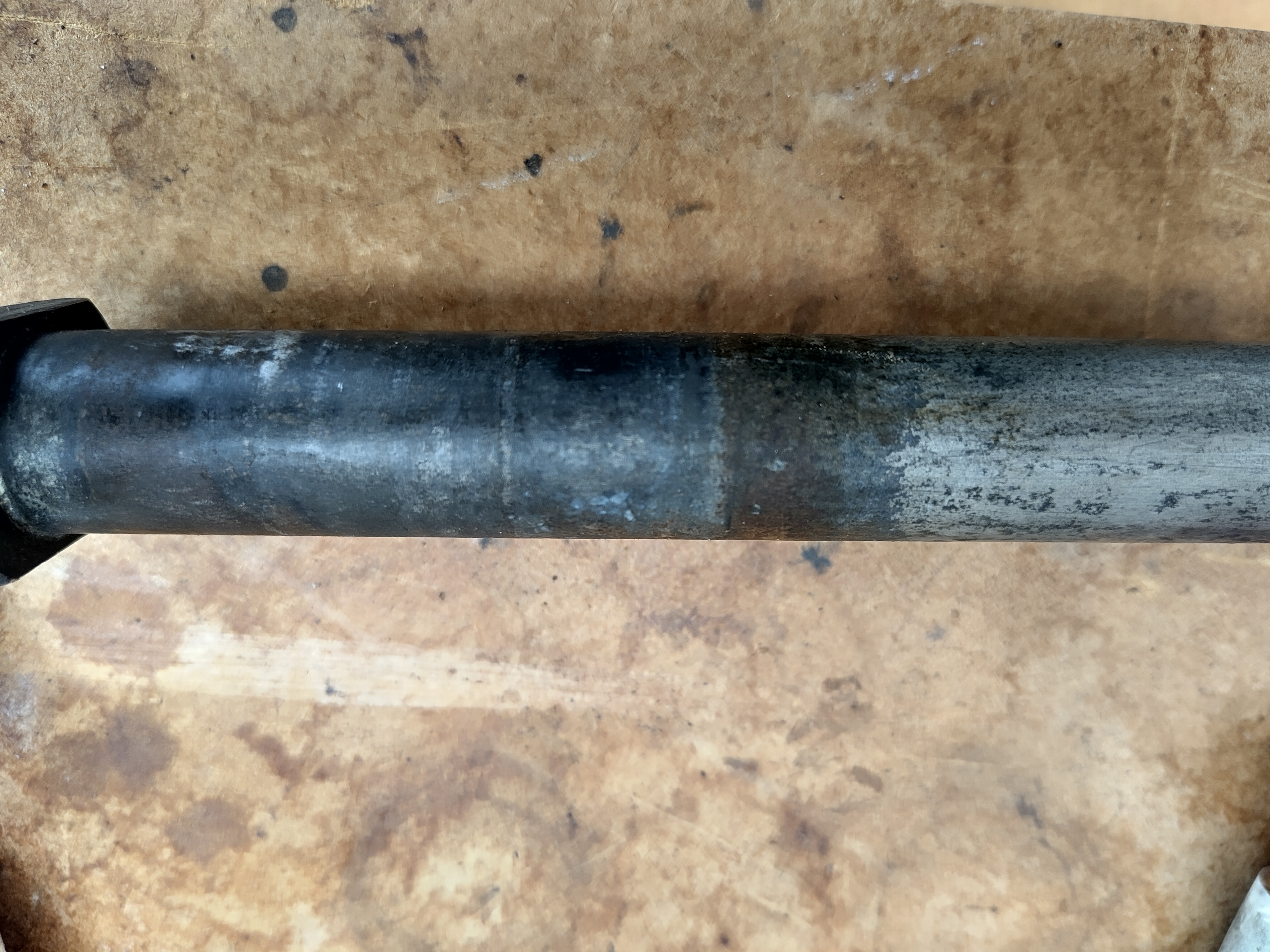
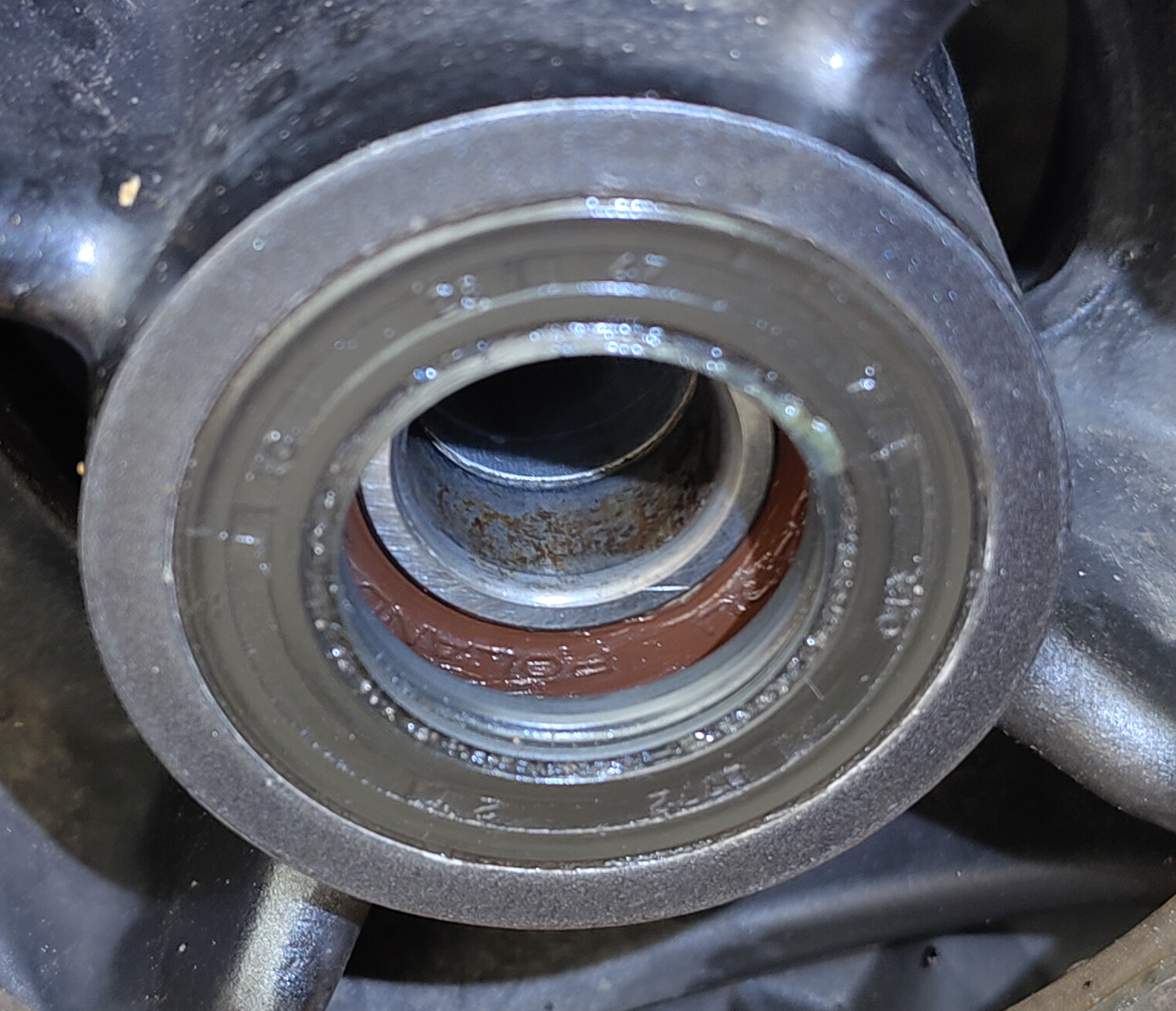
 After wondering a while what I might have forgotten and not coming up with anything I could only think it was stuck with corrosion. Then I remembered that the last time this wheel came off was when the muppets at the Scottish tyre place fitted a new tyre. They didn’t even refit and test the brake caliper properly, and they certainly wouldn’t have cleaned and greases the spindle and bearings.
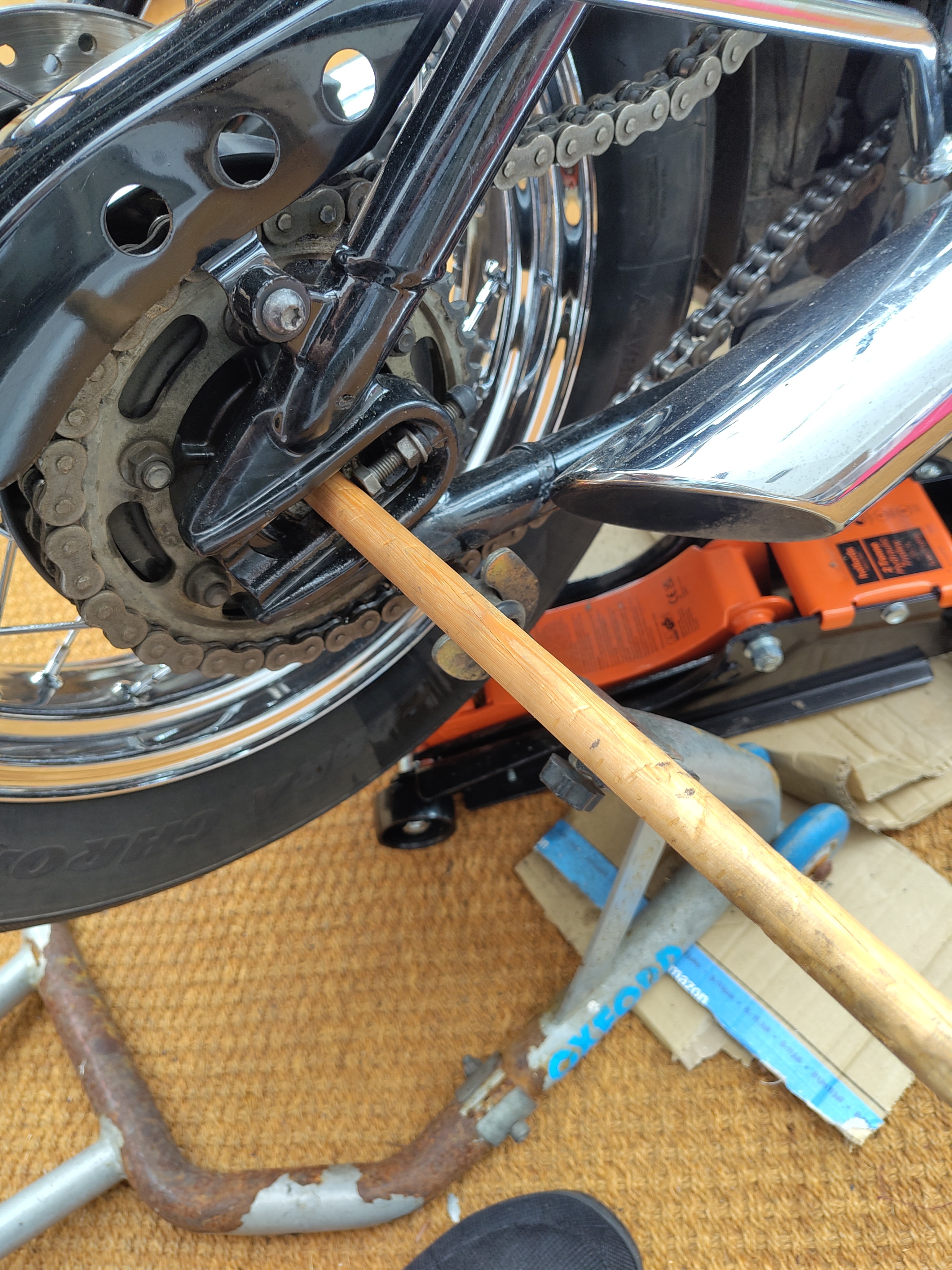
 Eventually it moved, and after a centimetre I could get a spanner on the other end to twist spindle back and forth whilst tapping gently with hammer the other side.